
Filing an Auto Insurance Claim: What to Expect at Each Stage

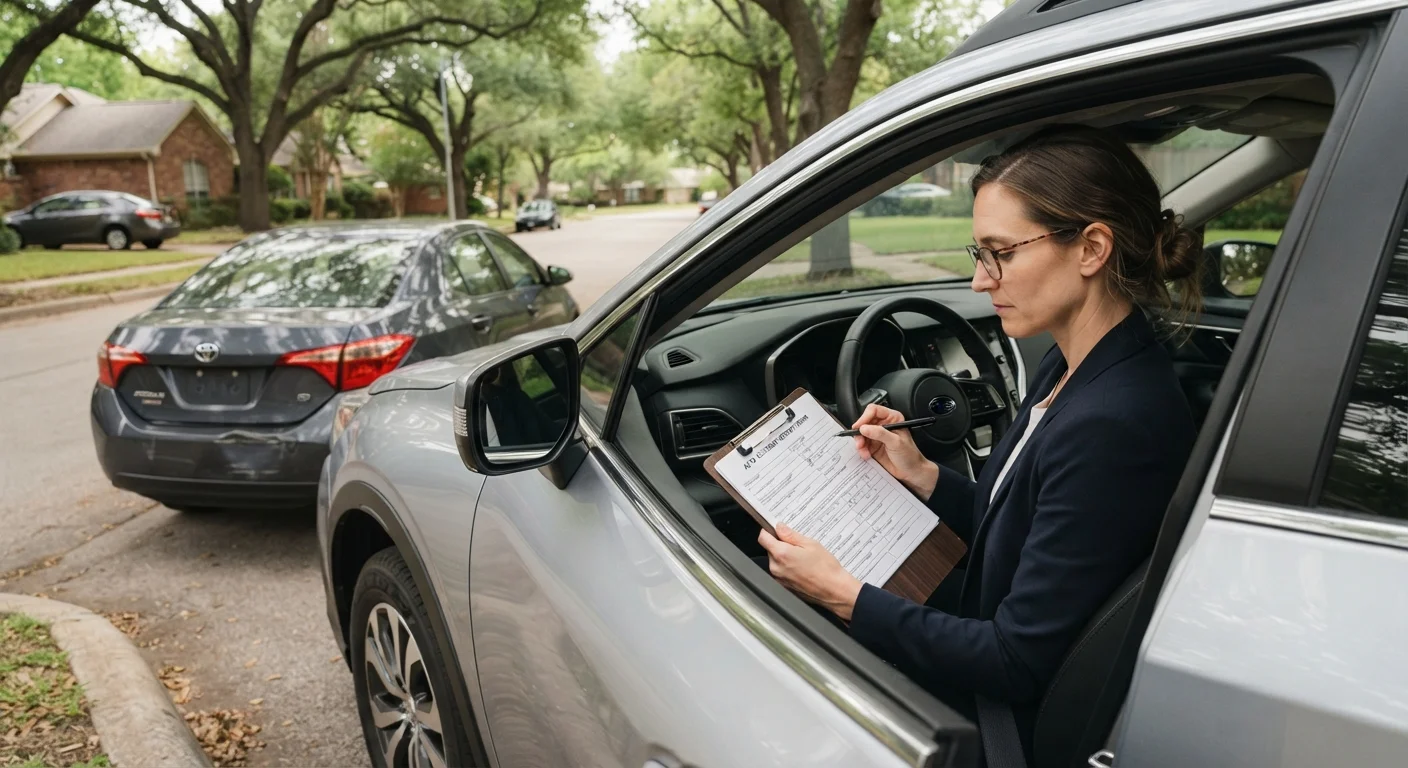
Photo: NemoFinds.com | Search, Explore, Read. editorial
Key Takeaways
- Report the incident to your insurer promptly — delays can complicate your claim.
- An adjuster will investigate and estimate repair or replacement costs on behalf of your insurer.
- Your deductible comes out of pocket before insurance covers the remaining balance.
- You have the right to dispute a settlement offer if you believe it undervalues your loss.
- Which coverage types you carry determines what your insurer will pay for.
Before You File: Understanding What You're Working With
Auto insurance claims can feel overwhelming when you're already dealing with the stress of an accident or vehicle damage. The process, however, follows a predictable sequence — and knowing the stages in advance puts you in a much stronger position.
What your insurer will cover depends entirely on the coverage types on your policy. For a clear breakdown of liability, collision, comprehensive, and uninsured motorist coverage, see our plain-language guide to auto coverage types. You can also reference the Car Insurance Coverage Types reference for a quick-look summary.
Know Your Coverage Before You Need It
What you will need
Auto insurance policy documents
Confirm your coverage types, deductible amounts, and any filing deadlines before you call your insurer.
Smartphone with camera
Photograph vehicle damage, the accident scene, and any other relevant evidence at the time of the incident.
Insurer's claims app or online portal
Many insurers allow you to file and track your claim digitally, often faster than a phone call.
Written repair estimates
Independent estimates from a licensed repair shop give you a benchmark to compare against the adjuster's valuation.
This article provides general information about the auto insurance claims process. Coverage terms, timelines, and outcomes vary by insurer, policy, and state. For guidance specific to your situation, consult a licensed insurance professional and review your actual policy documents.
The Claims Process, Step by Step
Make sure everyone is safe and call the police if needed
Before anything else, check that everyone involved is uninjured. If there are injuries, property damage above a certain threshold, or any dispute about fault, call 911. A police report creates an official record that your insurer may require — and it can protect you if the other driver's account of events changes later.
Exchange information with the other driver
Collect the following from every driver involved: full name, contact information, driver's license number, license plate number, and insurance company name and policy number. Also note the make, model, and color of all vehicles. If there are witnesses, ask for their names and phone numbers.
Notify your insurance company
Contact your insurer as soon as practical — most policies require prompt reporting, and some have specific deadlines. You can typically file by phone, through the insurer's website, or via a mobile app. Provide a factual account of what happened, the information you collected, and any police report number. The insurer will open a claim file and assign you a claim number.
Work with the claims adjuster
Your insurer will assign a claims adjuster — a person whose job is to investigate the incident, assess the damage, and determine what the policy covers. The adjuster may inspect your vehicle in person, review photos, request repair estimates, and interview involved parties. This process can take anywhere from a few days to a couple of weeks depending on claim complexity.
Review the settlement offer
Once the adjuster completes their assessment, the insurer will present a settlement offer. If your vehicle is repairable, this typically covers repair costs minus your deductible. If the cost to repair exceeds the vehicle's actual cash value, the insurer may declare it a total loss and offer the vehicle's market value instead. Review the offer carefully before accepting.
Dispute the offer if necessary
If you believe the settlement undervalues your vehicle or damage, you have options. Provide documentation supporting a higher value — independent repair estimates, comparable vehicle listings for total-loss disputes, or a public adjuster's assessment. Most insurers have a formal appeals or dispute process. If that fails, your state's insurance regulatory office can offer guidance, and in some cases mediation or arbitration may be available.
Complete repairs and close the claim
Once you accept the settlement, payment is issued — sometimes directly to you, sometimes to the repair shop, and sometimes to both jointly if there's a lienholder on the vehicle. Arrange repairs with a licensed shop, keep all receipts, and confirm the claim is formally closed once work is complete.
Coverage Gaps Can Leave You Uncompensated
Claims denials are a separate experience from a low settlement offer — if you're curious how denials work in a related context, our article on why home insurance claims get denied explains the documentation and exclusion issues that apply broadly across property coverage types.
Filing Frequency Can Affect Your Premium
The content on this site is for informational purposes only and is not a substitute for professional advice. Always consult a qualified professional for guidance specific to your situation.