
Car Insurance Coverage Types: A Plain-Language Reference

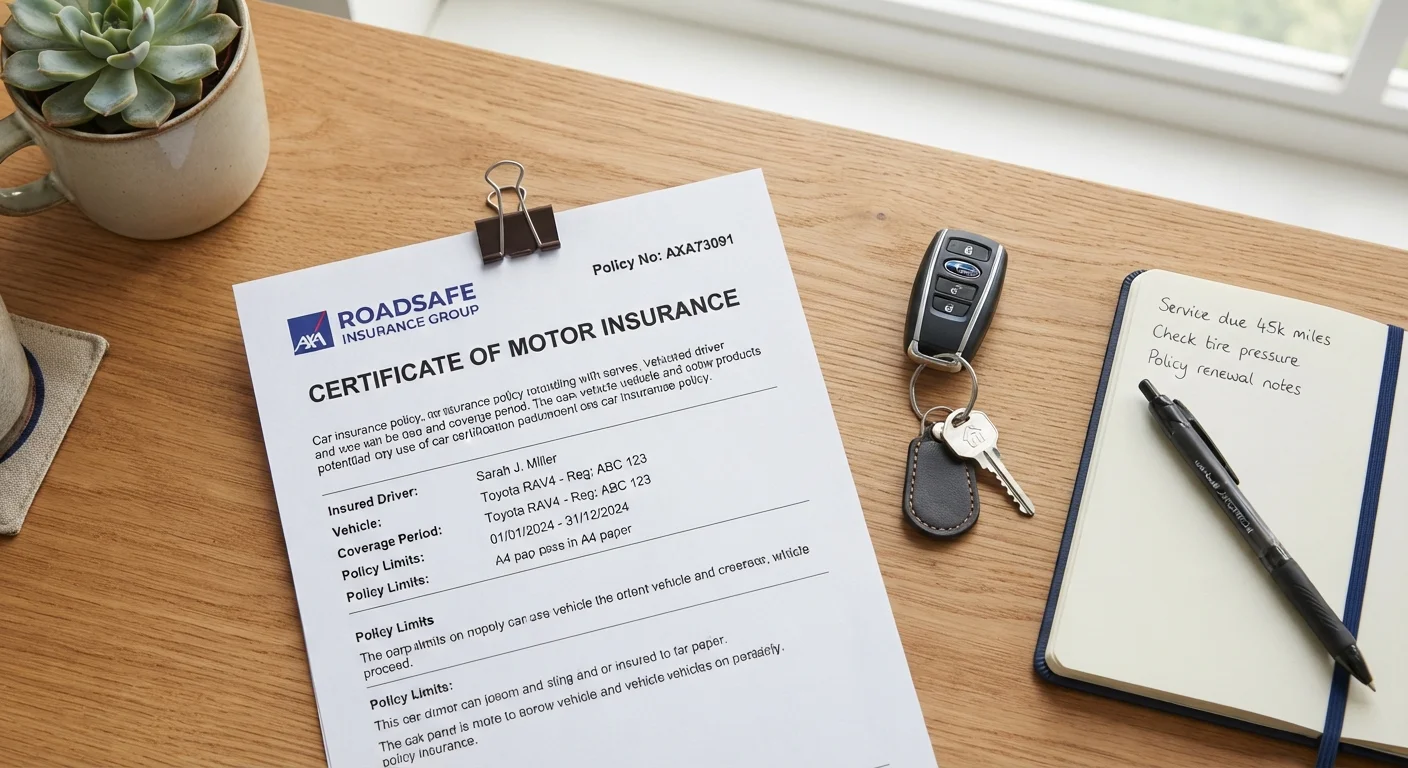
Photo: NemoFinds.com | Search, Explore, Read. editorial
Why Coverage Labels Matter
Auto insurance policies are built from separate coverage types, each protecting against a different category of loss. Buying a policy without understanding what each piece does is like paying for a bundle of features you can't name - you may be over-insured in one area and dangerously underprotected in another.
This reference breaks down every major coverage type in plain language: what it pays for, what it excludes, and when it applies. For a deeper look at how these coverages combine into two broad approaches, see Liability-Only vs. Full Coverage Auto Insurance.
| States requiring liability insurance | 49 out of 50 (New Hampshire is the exception, with conditions) (Insurance Information Institute) |
| Coverage type requiring a deductible | Collision and Comprehensive |
| No-fault states (requiring PIP) | Approximately 12 states (Insurance Information Institute) |
| Gap coverage applicability | Applies to financed or leased vehicles that could be totaled |
| UM/UIM coverage | Mandatory in roughly 20 states; optional in others (Insurance Information Institute) |
The Core Coverage Types Explained
Liability Coverage
Bodily injury liability pays for injuries you cause to other people in an at-fault accident - their medical bills, lost wages, and related legal costs. Property damage liability covers damage you cause to someone else's vehicle or property (a fence, a building, etc.). Most states require minimum amounts of both. Liability never pays for your own injuries or your own vehicle.
To understand how liability works across both auto and home policies, see Liability Coverage in Home and Auto Policies.
Collision Coverage
Pays to repair or replace your vehicle after a collision with another car or object - a guardrail, a pole, a parked vehicle - regardless of who is at fault. A deductible (the amount you pay first before insurance kicks in) applies. Lenders typically require this on financed vehicles.
Comprehensive Coverage
Covers vehicle damage from causes other than collisions: theft, vandalism, fire, hail, flooding, falling objects, and animal strikes. Like collision, it carries a deductible. For a direct comparison of when each pays out, see Collision vs. Comprehensive Auto Coverage.
Uninsured and Underinsured Motorist Coverage
Uninsured motorist (UM) coverage steps in when the at-fault driver has no insurance. Underinsured motorist (UIM) coverage applies when the at-fault driver has insurance, but their limits aren't high enough to cover your actual losses. Both can include bodily injury and, in some states, property damage components.
Medical Payments and Personal Injury Protection
Medical payments (MedPay) covers medical expenses for you and your passengers after an accident, regardless of fault. Personal injury protection (PIP) is broader - it typically adds lost wages and certain other expenses. PIP is required in no-fault states, where each driver's own insurer pays their medical costs after an accident regardless of who caused it.
Deductible
The dollar amount you agree to pay out of pocket before your insurance coverage pays the remainder of a covered claim. Higher deductibles generally lower your premium.
Premium
The amount you pay - typically monthly or every six months - to keep your insurance policy active.
Policy limit
The maximum dollar amount your insurer will pay for a covered loss. Losses exceeding the limit are your financial responsibility.
No-fault insurance
A system used in some states where each driver's own insurer pays for their medical costs after an accident, regardless of who caused it. PIP coverage is typically required in these states.
Declarations page
The summary page of your policy that lists your coverage types, limits, deductibles, and premium. It's the quickest way to see what protection you actually have.
Gap coverage
Optional coverage that pays the difference between your vehicle's actual cash value at the time of a total loss and the outstanding balance on your loan or lease.
Optional Add-Ons Worth Knowing
Beyond the core types, insurers commonly offer several optional coverages:
- Rental reimbursement: Pays for a rental car while your vehicle is being repaired after a covered claim.
- Roadside assistance: Covers towing, flat tire service, jump-starts, and lockout help.
- Gap coverage: If your car is totaled, gap coverage pays the difference between what your insurer values the car at and what you still owe on the loan or lease.
- Rideshare coverage: Fills the coverage gap that exists when a rideshare driver is logged into an app but hasn't yet accepted a ride.
Your State's Requirements May Differ
Coverage availability, requirements, and terminology vary by state and by insurer. Always read the actual policy declarations page and discuss specifics with a licensed insurance agent before making coverage decisions. The factors that influence what you'll pay are explained in The Factors That Shape Your Auto Insurance Premium.
This article is for general informational purposes only and does not constitute personalized insurance advice. Coverage terms, requirements, and availability vary by state and provider. Consult a licensed insurance professional for guidance specific to your situation.
The content on this site is for informational purposes only and is not a substitute for professional advice. Always consult a qualified professional for guidance specific to your situation.