
Why Pets Need Enrichment, Not Just Exercise

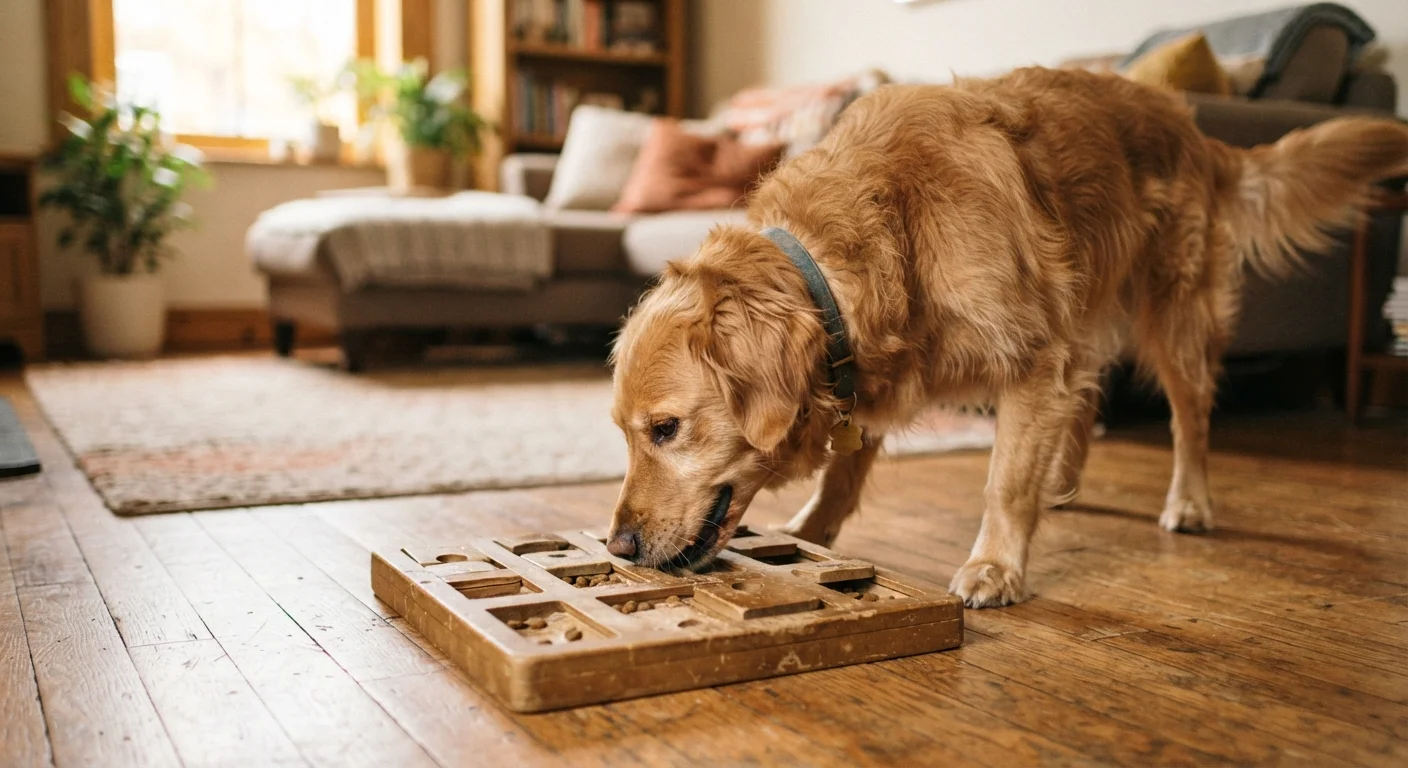
Photo: NemoFinds.com | Search, Explore, Read. editorial
Key Takeaways
- Exercise burns energy; enrichment engages the mind — pets need both for balanced well-being.
- Boredom-driven behaviors like chewing, excessive barking, or over-grooming often signal a lack of mental stimulation.
- Enrichment looks different across species — cats, dogs, birds, and small mammals each have distinct instinctual needs.
- Simple, low-cost adjustments to a pet's environment can deliver meaningful cognitive stimulation.
- Rotating activities prevents habituation and keeps enrichment effective over time.
Exercise and Enrichment Are Not the Same Thing
A tired pet is not necessarily a fulfilled one. Physical exercise — walks, play sessions, yard time — expends energy, but it doesn't automatically address an animal's need to think, problem-solve, or engage their senses in meaningful ways. Enrichment fills that gap.
Think of the distinction this way: exercise is what happens when a dog runs laps around a yard. Enrichment is what happens when that same dog uses their nose to track a hidden treat through a snuffle mat, or learns a new command that requires focused attention. Both matter. Neither replaces the other.
Building enrichment into daily life is a core part of responsible ownership, right alongside feeding schedules and veterinary care. For a broader look at how these elements fit together, see our guide to daily routines for pet owners.
Up to 85%
Of behavioral issues linked to boredom or stress
Veterinary behaviorists commonly estimate that the majority of common behavioral complaints in dogs and cats have a boredom or anxiety component, according to professional guidance from the American Veterinary Medical Association.
5–10 min
Effective daily training session length per pet
Short, frequent training sessions are considered more cognitively effective than longer infrequent ones, per applied animal behavior research.
What Enrichment Looks Like Across Different Pets
Enrichment is species-specific — what engages a dog may mean nothing to a parrot or a rabbit. The goal is always the same: activate natural instincts in a safe, positive context.
- Dogs are wired to sniff, track, and problem-solve. Puzzle feeders, nose work games, and structured training sessions tap into these drives. Even varying a walk route stimulates the brain through new scents and terrain.
- Cats are predators by instinct. Interactive wand toys, food puzzles, and window perches with outdoor views satisfy hunting and territorial behaviors. Indoor cats in particular benefit from vertical space and rotating toy options since they lack the environmental novelty outdoor access provides.
- Birds need foraging challenges, social interaction, and auditory stimulation. Hiding food in paper or shreddable materials mimics foraging behavior observed in the wild.
- Small mammals (rabbits, guinea pigs, hamsters) require burrowing materials, tunnels, and varied textures. These species are often underserved by bare-cage setups.
When Boredom Looks Like Bad Behavior
Destructive chewing, excessive barking, over-grooming, or repetitive pacing are frequently misread as disobedience or personality flaws. In many cases, they're signals of unmet psychological needs. An under-stimulated pet will self-stimulate — just not in ways their owner appreciates.
Recognizing these behavioral signals early matters. Anxiety and boredom often overlap and can compound over time if unaddressed. Our related article on recognizing stress behaviors in pets covers how to distinguish stress from boredom and what environmental changes may help.
If you observe persistent behavioral changes, a consultation with a veterinarian or certified animal behaviorist is always the right next step — not just more exercise.
Start Small and Observe Your Pet's Response
Practical Ways to Add Enrichment Without Overhauling Your Routine
Enrichment doesn't require expensive equipment or hours of extra time. Small, consistent adjustments accumulate into meaningful improvement for your pet's quality of life.
- Use feeding time strategically. Swap a portion of your pet's meal from a bowl to a puzzle feeder, snuffle mat, or scatter-feeding across grass. This turns routine eating into a cognitive exercise.
- Rotate rather than replace. A toy that's been absent for two weeks becomes novel again. Rotating a small collection of toys is more effective than constantly buying new ones.
- Train in short bursts. Five minutes of focused training — even for cats and rabbits — engages the brain more intensively than most play sessions. Keep sessions positive and reward-based.
- Vary the sensory environment. Safe new scents (pet-safe herbs, different outdoor surfaces to walk on), textures, and sounds all count as sensory enrichment.
Consistency is what makes these habits stick — even on busy days. Keeping enrichment consistent during life's disruptions takes planning, but even a five-minute puzzle session is better than none. For a full picture of your pet's health needs, explore resources in our Pet Health & Wellness hub.
Enrichment Is Not a Replacement for Veterinary Care
Frequently Asked Questions
The content on this site is for informational purposes only and is not a substitute for professional advice. Always consult a qualified professional for guidance specific to your situation.