
At-Home Pet Care Habits That Veterinarians Frequently See Go Wrong

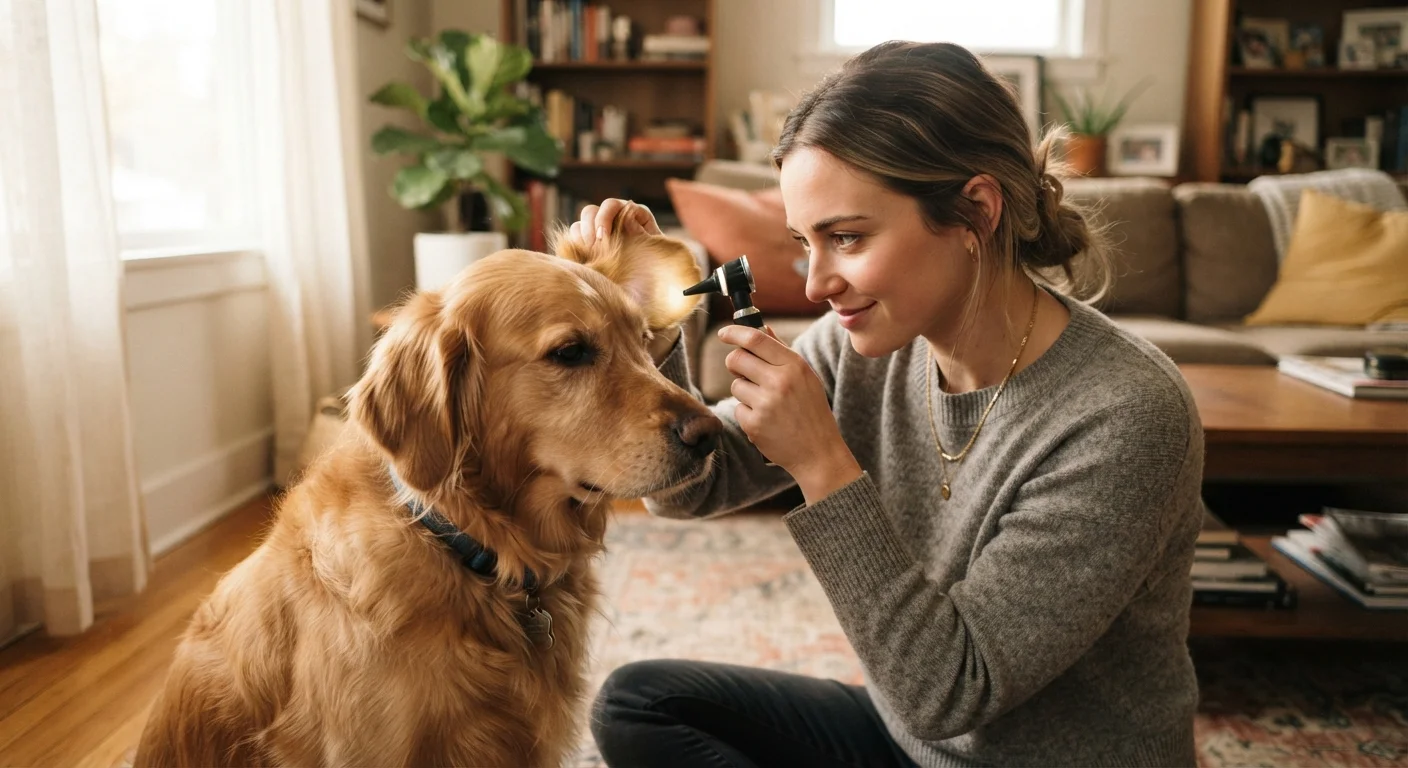
Photo: NemoFinds.com | Search, Explore, Read. editorial
Key Takeaways
- Many at-home pet care routines cause harm not from neglect, but from incorrect technique or timing.
- Using human products on pets — including toothpaste, shampoo, and ear cleaners — is a frequent and avoidable mistake.
- Over-cleaning ears and improper nail trims are among the most common injuries veterinarians see from home grooming.
- Skipping a veterinarian's guidance on frequency and method often turns a helpful habit into a harmful one.
- Annual wellness exams give vets a chance to catch errors in home care routines before they compound.
Why Good Intentions Aren't Enough
Most at-home pet care mistakes aren't caused by carelessness — they happen because owners follow advice that sounds reasonable but turns out to be incomplete or incorrect. A routine that works for one species, breed, or individual animal can cause real harm in another. Understanding where things commonly go wrong is the first step toward building habits that genuinely support your pet's health.
The Pet Care Basics that seem most straightforward — teeth brushing, ear cleaning, nail trimming — are also the areas where veterinarians most often see preventable injuries and infections. This article walks through the mistakes they encounter most frequently, why each one tends to happen, and what to do instead.
Using human toothpaste to brush a pet's teeth.
Cleaning the ear canal too frequently or with improper solutions.
Cutting nails too short and hitting the quick.
Using human shampoo or dish soap to bathe pets.
Administering over-the-counter flea or tick products without checking species compatibility.
Restricting water intake to reduce accidents or mess.
When Home Routines Create Veterinary Problems
One pattern veterinarians consistently observe is that well-established home care problems compound over time. A nail trimmed too short leads to pain and reluctance during future trims. Repeated over-cleaning of healthy ears disrupts the ear canal's natural environment, making infections more likely. These cascading effects are why annual wellness exams matter beyond just vaccinations — they give a veterinarian the opportunity to assess whether your home routines are on track.
Never Use Dog Flea Products on Cats
Dental care is another high-stakes area. Dental disease affects the majority of pets by middle age, and using the wrong toothpaste — particularly human fluoride toothpaste — can cause gastrointestinal distress or, with high cumulative exposure, more serious toxicity in dogs and cats. Only toothpaste formulated specifically for pets should be used.
If you're unsure whether your home care technique is correct, the most reliable step is to ask your veterinarian for a hands-on demonstration. Most practices are glad to walk owners through proper technique during a routine visit. You can also explore the daily rhythm of responsible pet ownership for guidance on building sustainable, vet-aligned habits.
This article provides general educational information about common pet care practices and is not a substitute for professional veterinary advice. Always consult a licensed veterinarian for guidance specific to your pet's health needs.
The content on this site is for informational purposes only and is not a substitute for professional advice. Always consult a qualified professional for guidance specific to your situation.