
What Your Pet's Annual Wellness Exam Actually Covers

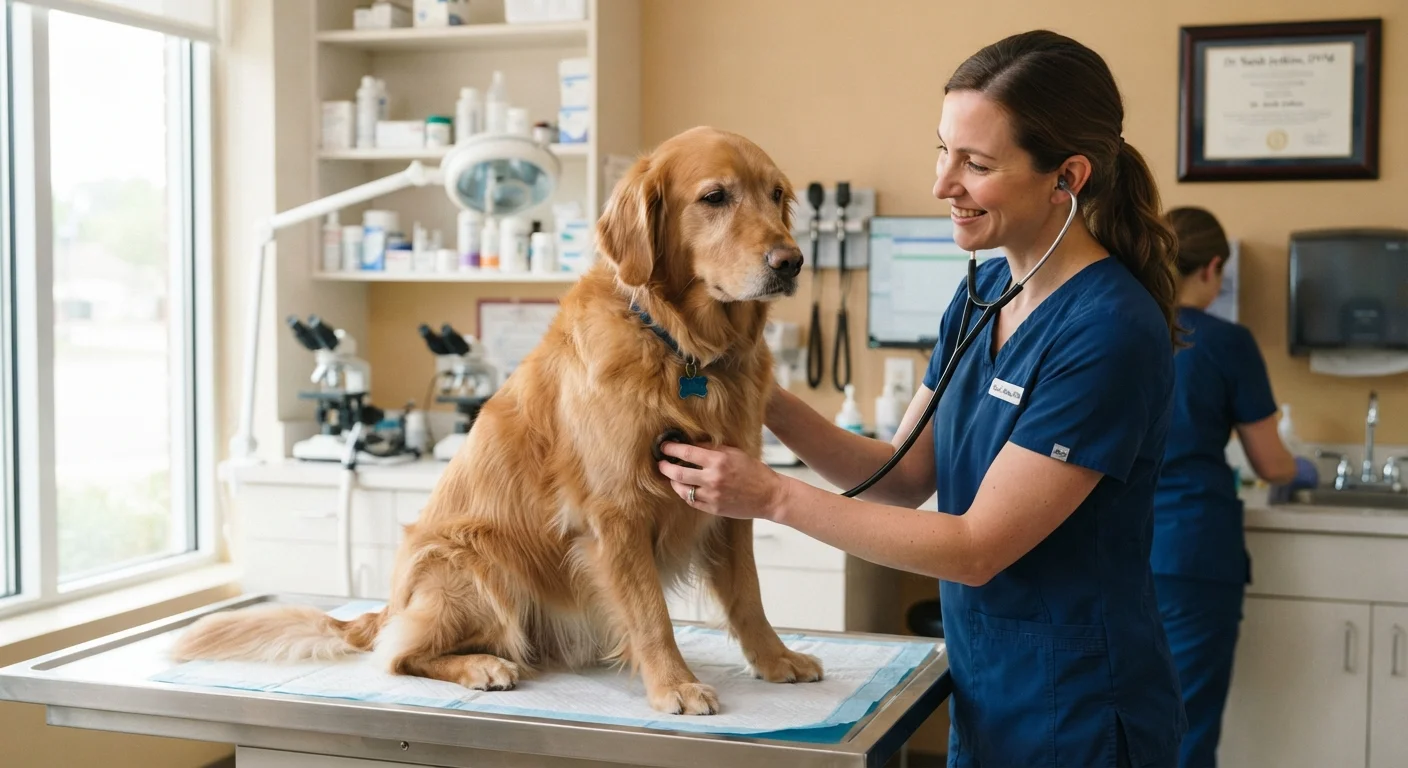
Photo: NemoFinds.com | Search, Explore, Read. editorial
Key Takeaways
- A wellness exam is far more than a vaccine appointment — it's a full nose-to-tail health assessment.
- Vets use these visits to detect early signs of disease that pets often hide from their owners.
- Weight, dental health, and parasite status are routinely evaluated even if your pet seems fine.
- Bloodwork and urinalysis may be recommended to catch internal issues not visible during a physical exam.
- Annual exams are the foundation of preventive care and can reduce long-term veterinary costs.
The Physical Examination: What Vets Actually Check
Many pet owners assume an annual exam is primarily about vaccines. In reality, the physical examination is the centerpiece of the visit — a systematic, hands-on assessment that gives your veterinarian a complete snapshot of your pet's health.
A standard physical exam typically covers:
- Eyes and ears: Checking for discharge, inflammation, infection, or early signs of conditions like cataracts or ear mites.
- Mouth and teeth: Evaluating dental disease, gum health, and tooth integrity. Dental disease is one of the most common and underestimated conditions in companion animals.
- Skin and coat: Looking for parasites, unusual lumps, hair loss, or skin conditions that may indicate allergies or hormonal imbalances.
- Heart and lungs: Listening with a stethoscope for murmurs, irregular rhythms, or abnormal breathing sounds.
- Abdomen: Palpating (gently pressing) to check organ size and detect any pain, swelling, or unusual masses.
- Lymph nodes and joints: Assessing for swelling that may signal infection, inflammation, or early cancer.
- Weight and body condition: Comparing to previous visits to identify trends toward obesity or unhealthy weight loss.
This systematic approach allows vets to detect subtle abnormalities your pet may be actively concealing — animals instinctively mask discomfort, making professional evaluation essential. For a broader view of why skipping these visits carries real risk, see what tends to happen when preventive care is skipped.
Prepare a Short Health Journal Before Your Visit
Preventive Care Components: Vaccines, Parasites, and More
Beyond the physical exam, your veterinarian will review and update your pet's preventive care plan. This portion of the visit is highly individualized — what your pet needs depends on species, age, lifestyle, geographic location, and health history.
Vaccinations are assessed and updated as appropriate. Not every pet needs every vaccine every year; your vet will determine which are due based on your pet's core and lifestyle-based vaccine schedule. Understanding core versus optional vaccines can help you have a more informed conversation with your vet about what's truly necessary.
Parasite screening and prevention is another key component. This includes:
- Fecal testing for intestinal parasites like roundworms, hookworms, and giardia
- Heartworm testing (especially for dogs in endemic regions)
- Discussion of flea, tick, and mite prevention strategies appropriate for your pet's environment
Nutrition and weight counseling often follows. Your vet may ask about your pet's current diet, feeding schedule, and treat habits — and may recommend adjustments based on body condition scoring.
Frequency Varies by Species and Life Stage
Diagnostic Testing: When Labs Add Important Context
Depending on your pet's age and health status, your veterinarian may recommend diagnostic tests that go beyond what a physical exam can reveal.
Blood panels (complete blood count and chemistry profile) assess organ function, red and white blood cell counts, and metabolic markers. These are especially valuable for senior pets, where changes in kidney, liver, or thyroid function can develop gradually and without obvious symptoms.
Urinalysis provides a window into kidney function and can flag early signs of diabetes, urinary tract infections, or bladder disease.
Fecal parasite testing detects intestinal parasites not visible to the naked eye. Many veterinary organizations recommend this annually even for pets on regular preventive medications.
Your vet will explain which tests are recommended for your specific pet and why — you're always entitled to ask questions and understand the rationale before proceeding. Being consistent with these visits is also easier when you have practical routines in place; the guidance on keeping pet care consistent during busy periods can help.
~80%
Pets showing dental disease by age 3
The American Veterinary Medical Association notes dental disease is among the most common conditions seen in dogs and cats, often progressing silently before owners notice signs.
2x
Recommended exam frequency for senior pets
Many veterinary guidelines suggest pets over 7 years old be seen every six months rather than annually, due to the faster pace of age-related health changes.
1 in 3
Pets diagnosed with cancer in their lifetime
The National Canine Cancer Foundation estimates roughly one in three dogs will develop cancer — making early detection through routine exams a meaningful tool in long-term health management.
This article is for general informational purposes only and is not a substitute for professional veterinary advice. Always consult a licensed veterinarian regarding your pet's specific health needs.
Frequently Asked Questions
The content on this site is for informational purposes only and is not a substitute for professional advice. Always consult a qualified professional for guidance specific to your situation.