
Indoor vs. Outdoor Cats: What the Health Tradeoffs Really Look Like

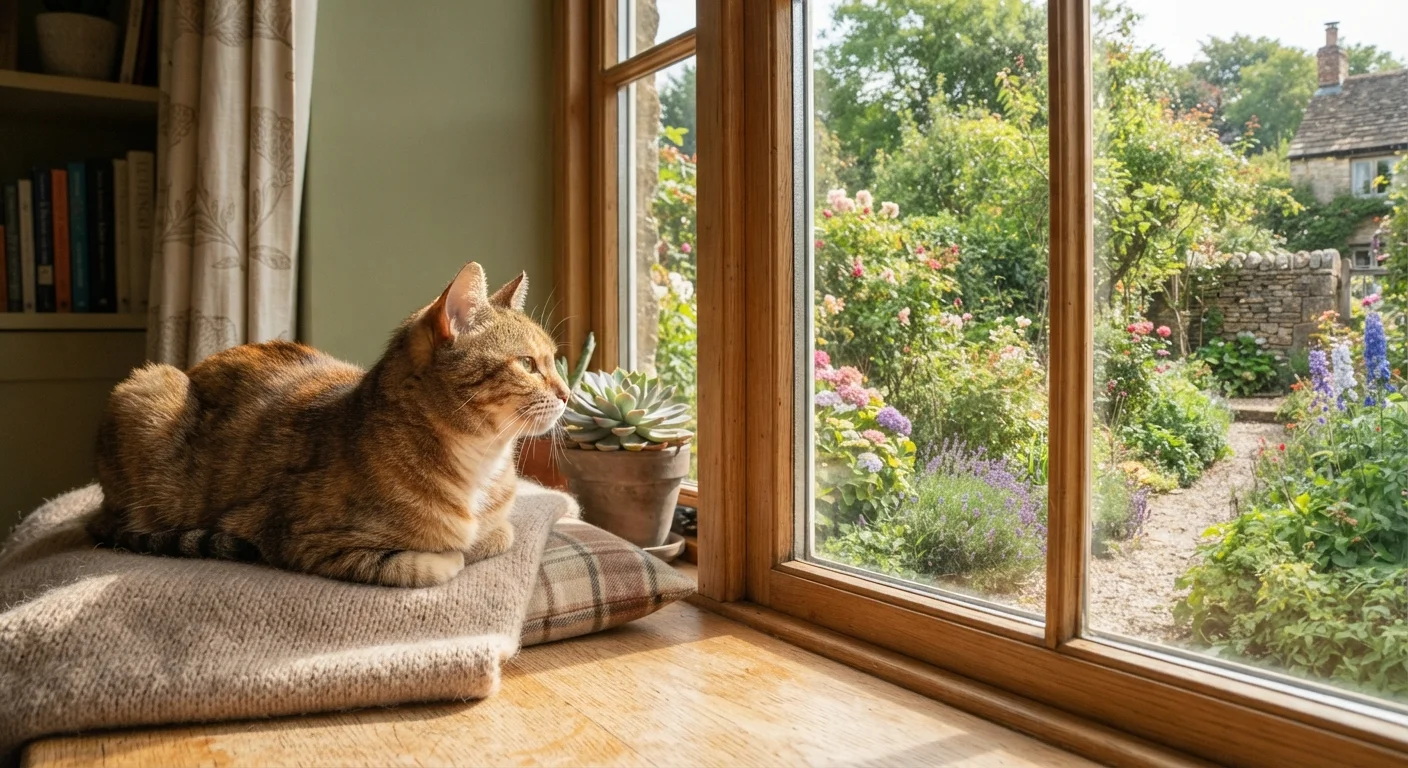
Photo: NemoFinds.com | Search, Explore, Read. editorial
Key Takeaways
- Indoor cats typically live significantly longer than outdoor cats, largely due to reduced accident and disease exposure.
- Outdoor cats face higher risks from vehicles, predators, parasites, and infectious diseases like FIV and FeLV.
- Indoor cats can develop obesity, boredom, and stress-related issues without adequate enrichment and activity.
- A supervised outdoor compromise — such as a catio or leash walks — can balance safety with stimulation.
- Preventive care matters for both lifestyles; neither indoor nor outdoor cats can skip core veterinary protocols.
Lifespan and the Numbers Behind Each Lifestyle
Veterinary and animal welfare organizations generally estimate that indoor cats live significantly longer than their outdoor counterparts — commonly cited ranges suggest indoor cats average 12–18 years, while outdoor cats average closer to 2–5 years in some studies, though methodology and environment vary widely. Even more conservative estimates show a meaningful gap.
The core reasons are straightforward: outdoor cats encounter vehicles, predators, territorial fights, toxic substances, and extreme weather. Each of these represents a real, compressible risk that disappears almost entirely when a cat stays inside. That said, a long life isn't automatically a high-quality life, which is why the conversation doesn't end at lifespan statistics.
For a broader look at how lifestyle shapes everyday care demands, see our guide on indoor vs. outdoor pet care differences.
| Criterion | Indoor Cats | Outdoor Cats |
|---|---|---|
| Average lifespan | 12–18 years (estimated) | 2–10 years (varies widely) |
| Injury risk | Low | High (traffic, predators, fights) |
| Infectious disease exposure | Low (FIV, FeLV, parasites) | Significantly elevated |
| Obesity risk | Higher without enrichment | Lower due to activity |
| Mental stimulation | Requires deliberate enrichment | Naturally higher |
| Parasite prevention need | Moderate | High and ongoing |
| Veterinary cost predictability | More predictable | Higher emergency risk |
Health Risks Specific to Each Environment
Outdoor risks are numerous and well-documented. Feline Immunodeficiency Virus (FIV) and Feline Leukemia Virus (FeLV) spread through bite wounds and close contact — both common in outdoor cats defending territory. Intestinal parasites, fleas, ticks, and ringworm exposure all escalate outdoors. Traumatic injury from vehicles or animal attacks can happen quickly, and many outdoor cats never return home.
Indoor risks are subtler but genuine. Without structured activity, indoor cats are prone to obesity, which veterinary research links to diabetes, joint disease, and a shortened healthy lifespan. Boredom can manifest as overgrooming, aggression, or stress-related urinary conditions like feline idiopathic cystitis. These are manageable with enrichment, but they're real consequences of an under-stimulating environment.
12–18 yrs
Typical indoor cat lifespan
Veterinary sources commonly cite this range for well-cared-for indoor cats, compared to significantly shorter averages for free-roaming cats.
~4x
FIV risk increase outdoors
Outdoor cats are substantially more likely to encounter FIV through fighting, according to animal health organizations tracking feline infectious disease.
50%+
US cats classified as overweight
The Association for Pet Obesity Prevention has found that more than half of domestic cats in the US are overweight or obese, a risk more pronounced in sedentary indoor cats.
Preventive care remains essential regardless of lifestyle. Skipping vaccinations, parasite prevention, or dental care carries compounding health consequences that affect both indoor and outdoor cats.
Enrichment, Mental Health, and the Middle Ground
One of the most overlooked dimensions of this debate is psychological wellbeing. Cats are predatory animals with strong instincts for hunting, climbing, and territory exploration. An indoor cat who lacks outlets for these behaviors may develop frustration or anxiety over time. This doesn't mean outdoor access is required — it means indoor environments require intentional design.
Practical enrichment strategies include puzzle feeders, rotating toy sets, window perches with bird feeders outside, vertical cat trees, and scheduled interactive play sessions. These can meaningfully address the stimulation gap. Pet-proofing your indoor space also ensures that a stimulating environment doesn't become a dangerous one.
For owners who want to offer outdoor access without full free-roaming, options like enclosed catios, harness-leash training, and supervised yard time represent a reasonable middle path. These approaches reduce the most severe outdoor risks — traffic, predators, disease transmission — while allowing cats to experience fresh air and sensory variety.
The Catio Option: A Growing Middle Ground
As cats age, their needs shift regardless of lifestyle. Senior cats face unique health considerations that warrant closer veterinary monitoring and adjusted activity levels.
This article is for general informational purposes only and does not constitute veterinary advice. Always consult a licensed veterinarian for guidance specific to your cat's health, history, and individual circumstances.
The content on this site is for informational purposes only and is not a substitute for professional advice. Always consult a qualified professional for guidance specific to your situation.