
Pet Care Basics

Pet-Proofing Your Home: Hazards That Owners Routinely Underestimate

Pet-Proofing Your Home: Hazards That Owners Routinely Underestimate

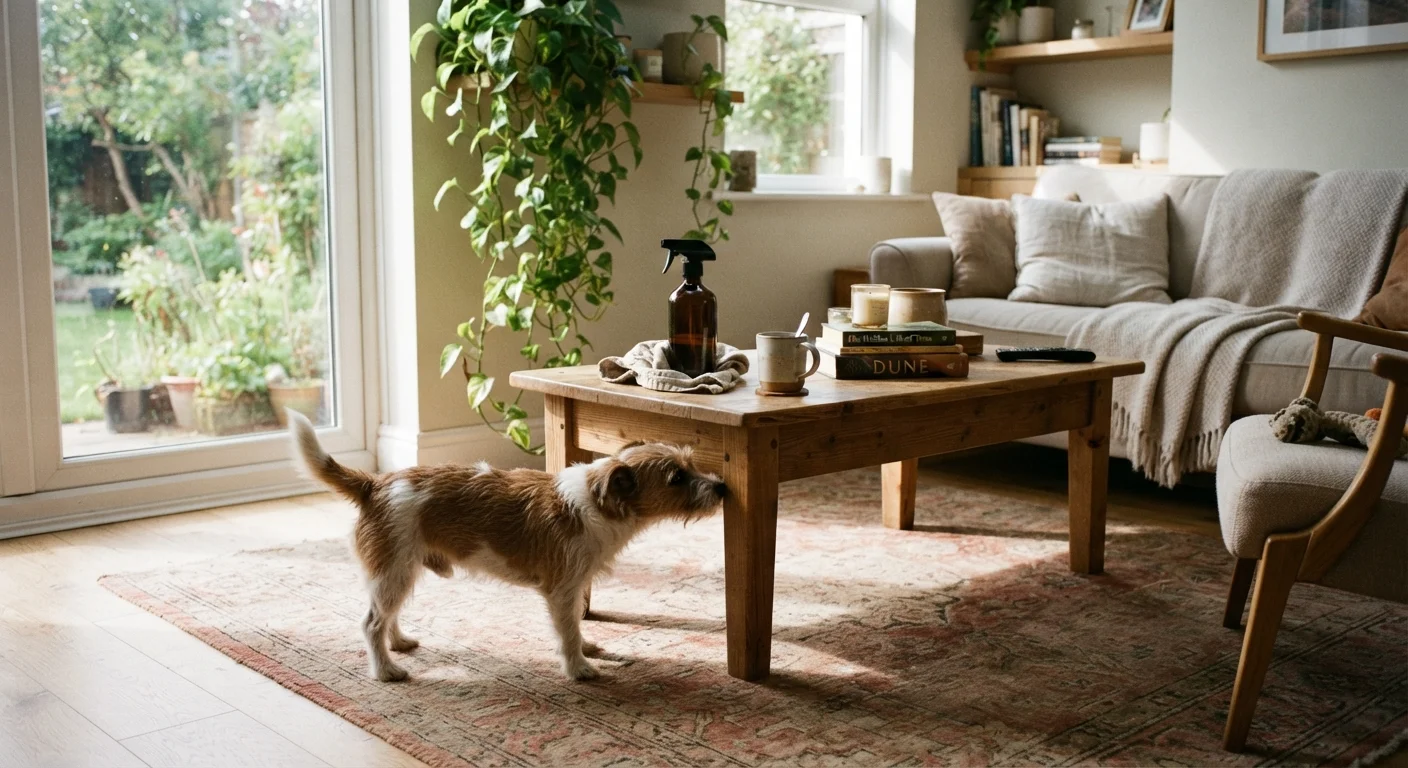
Photo: NemoFinds.com | Search, Explore, Read. editorial

Common foods, household plants, cleaning products, and small objects that pose real risks to pets — and practical steps to reduce exposure.

Key Takeaways

  • Many common foods, plants, and household chemicals are toxic to dogs and cats.
  • Small objects and unsecured cords pose serious choking and strangulation risks to pets.
  • Cleaning products that are safe for humans can cause respiratory and digestive harm in animals.
  • A room-by-room hazard audit is the most reliable way to identify overlooked risks.
  • When in doubt about a potential exposure, contact your veterinarian or a pet poison hotline promptly.

Why Pet-Proofing Deserves More Than a One-Time Check

Most pet owners do some version of hazard-proofing when they first bring an animal home — tucking away cords, moving a plant, locking a cabinet. But the household is not static. New products arrive, furniture moves, and habits drift. A hazard that didn't exist six months ago may be sitting on a low shelf today.

The real gap isn't awareness that hazards exist — it's underestimating which ones are genuinely dangerous and how accessible they already are. Building a consistent approach to home safety is part of the same daily care framework described in responsible daily pet ownership routines. Done well, it becomes a habit rather than a reaction to a close call.

The mistakes below cover the categories veterinary and animal welfare professionals identify as the most frequently overlooked — and the most preventable.

The Most Common Hazard Categories — and the Errors That Come With Them

Pet-proofing failures tend to cluster around the same categories: food, plants, cleaning products, small objects, and outdoor storage. In each case, the risk is real and the prevention is practical.

1

Assuming 'people food' scraps are harmless treats for pets.

Why it happens: Sharing food with pets feels natural and affectionate, and many owners assume that foods safe for humans are safe for animals. This leads to routine feeding of items that are genuinely dangerous.
How to avoid: Familiarize yourself with the core list of toxic foods: grapes, raisins, onions, garlic, xylitol (found in sugar-free gum and some nut butters), chocolate, macadamia nuts, and alcohol are among the most well-documented hazards. Keep human food off the floor and teach household members — especially children — not to share plates with pets.
2

Keeping toxic houseplants without recognizing the risk they pose.

Why it happens: Plant toxicity to pets is rarely labeled at the point of purchase, and many dangerous plants — such as lilies, sago palm, pothos, and dieffenbachia — are popular precisely because they are attractive and easy to grow indoors.
How to avoid: Before purchasing any plant, verify its safety using a resource such as the ASPCA's searchable toxic plant database. For plants already in your home, move them to rooms your pet cannot access, or replace them with confirmed pet-safe varieties like spider plants, Boston ferns, or air plants.
3

Leaving cleaning products accessible after use, assuming pets won't contact them.

Why it happens: Owners typically focus on keeping products away from children but underestimate a pet's ability to walk through wet floors, lick treated surfaces, or access low cabinets. Residue left on floors or counters can transfer directly to paws and then be ingested during grooming.
How to avoid: Allow cleaned surfaces to dry completely before letting pets back into the area. Store all cleaning products in latched, low cabinets or upper shelving. See our guide to cleaning product combinations to avoid for additional household chemical safety information relevant to multi-pet households.
4

Underestimating the danger of small, swallowable objects left within reach.

Why it happens: Items like rubber bands, hair ties, batteries, coins, button magnets, and medication pills blend into everyday clutter. Owners often don't register these as hazards because they appear inert and are simply part of the household landscape.
How to avoid: Conduct a low-level visual sweep of each room from your pet's eye level to spot what's accessible on the floor, under furniture, and on low surfaces. Use pill organizers with child-resistant lids, keep purses and bags off the floor, and establish a habit of checking before leaving a room unsecured.
5

Overlooking garage and outdoor storage areas as hazard zones.

Why it happens: Pet-proofing attention tends to concentrate on living spaces. Garages, garden sheds, and patios often contain the highest concentrations of chemicals — antifreeze, fertilizers, pesticides, and rodenticides — yet receive the least scrutiny.
How to avoid: Store all chemicals in locked or high cabinets and check regularly for spills, particularly antifreeze, which has a sweet taste that attracts pets but is acutely toxic. If you use rodent bait or pest control products outdoors, confirm they are placed where pets absolutely cannot reach them, and inform your veterinarian what products are in use.

Toxic Exposure Can Escalate Quickly

Symptoms of poisoning in pets — including vomiting, lethargy, tremors, or difficulty breathing — can appear within minutes or hours of exposure. Do not wait to see whether symptoms resolve on their own. Contact your veterinarian or the ASPCA Animal Poison Control Center immediately if you suspect your pet has ingested something toxic.

For a broader look at how well-meaning care routines can still go wrong, the at-home pet care habits veterinarians frequently see go wrong is worth reviewing alongside this article.

~232,000

Annual pet poison cases reported to US hotlines

The ASPCA Animal Poison Control Center handles hundreds of thousands of calls each year, with human medications, food, and plants consistently ranking among the top exposure categories.

Top 3

Most reported toxic plant exposures in cats

According to veterinary toxicology data, lilies (Lilium and Hemerocallis species) are among the most dangerous plants for cats, capable of causing acute kidney failure even in small amounts.

Putting a Room-by-Room Audit Into Practice

The most effective pet-proofing method is a deliberate, low-level walk-through of each room — literally crouching to your pet's eye level and noting what is reachable. Kitchen counters, bathroom vanities, home offices, and garages each present a distinct set of hazards.

Essential Oils Are Not Pet-Safe by Default

Many essential oils marketed for home use — including tea tree, eucalyptus, and pennyroyal — are toxic to cats and dogs, even in small amounts. Diffusers can deposit oil particles on fur that are later ingested during grooming. Consult your veterinarian before using any essential oil product in a home with pets.

Pair the audit with a prepared pet first-aid kit and a saved contact for your veterinarian and the nearest emergency animal clinic. If your household routines make consistent oversight difficult, strategies for maintaining pet care during busy periods can help you build systems that hold even when life is unpredictable.

This article provides general information for educational purposes and is not a substitute for professional veterinary advice. If you believe your pet has been exposed to a toxic substance, contact a veterinarian or emergency animal clinic immediately.

Pets & Animals Editorial Team

NemoFinds.com | Search, Explore, Read.

Pets & Animals Editorial Team is the collective byline for our editorial team and contributor network. Articles published under this byline or an editorial pen name are researched, written, and reviewed according to our editorial standards for clarity, consistency, and independence before publication.

Pet Health & WellnessPet Care Basics
View author profile

The content on this site is for informational purposes only and is not a substitute for professional advice. Always consult a qualified professional for guidance specific to your situation.