
The Real Costs of Skipping Preventive Pet Care

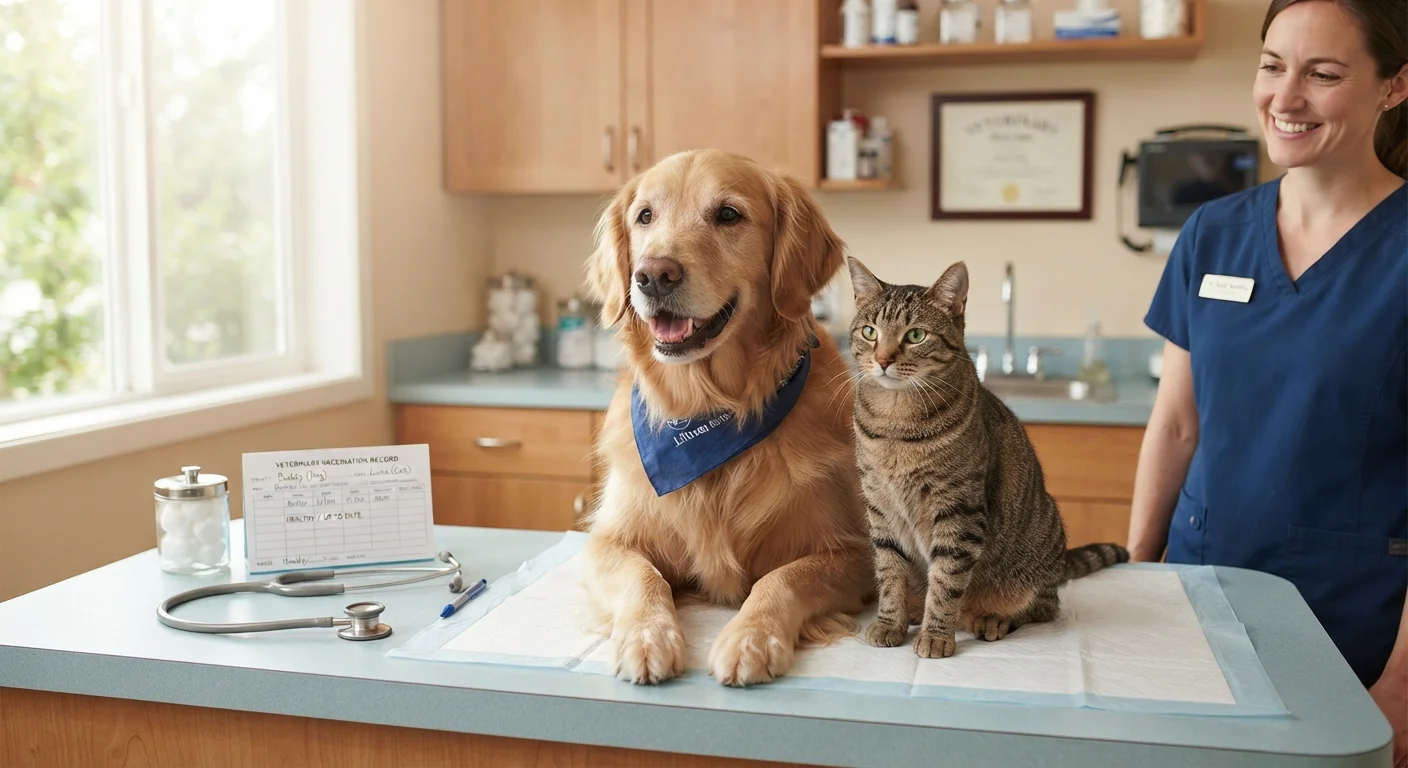
Photo: NemoFinds.com | Search, Explore, Read. editorial
Key Takeaways
- Skipping preventive care rarely saves money — it typically shifts smaller predictable costs to larger unpredictable ones.
- Vaccinations, parasite prevention, and dental cleanings address conditions that become significantly harder to treat once advanced.
- Pet insurance with wellness add-ons can offset the upfront cost of routine care; comparing plans helps clarify trade-offs.
- Many serious conditions caught at annual wellness exams — like early kidney disease or dental infection — are manageable when found early.
- Veterinarians recommend core preventive services based on species, lifestyle, age, and geographic risk factors.
Early disease detection when treatment is most effective
Annual exams give veterinarians a consistent baseline, making it far easier to identify subtle changes in weight, bloodwork, or organ function before symptoms become apparent to owners.
Predictable costs instead of financial surprises
Routine care involves known, schedulable expenses that are easier to budget for than the large, unpredictable bills that typically follow untreated or late-diagnosed conditions.
Effective prevention of serious infectious disease
Core vaccines provide meaningful protection against diseases like parvovirus and feline panleukopenia, which carry high mortality and intensive treatment costs if contracted.
Parasite prevention avoids costly downstream treatment
Monthly heartworm and flea preventives are substantially less expensive — and medically simpler — than treating an active infestation or heartworm infection once established.
Dental care prevents systemic infection and tooth loss
Regular cleanings address periodontal disease before it progresses to bone loss, root damage, or bacterial spread that can affect the heart, kidneys, and liver.
Upfront costs can feel burdensome for tight budgets
Even routine veterinary visits, vaccines, and parasite preventives carry real costs that can be difficult to absorb on a monthly basis, especially for multi-pet households.
Some preventive procedures carry low but real risks
Anesthesia for dental cleanings and some vaccines carry a small risk of adverse reactions; these are generally minimal but worth discussing with your veterinarian, particularly for older or medically complex pets.
Schedules require ongoing owner commitment and follow-through
Preventive care only works when maintained consistently — lapses in parasite prevention or delayed boosters can reopen exposure windows that owners assume are closed.
Not every condition is preventable through routine care
Genetic conditions, certain cancers, and some orthopedic problems can develop regardless of how diligent an owner is, which means preventive care reduces risk but doesn't eliminate all health uncertainty.
What Preventive Care Actually Covers
Preventive pet care refers to scheduled, proactive veterinary services that reduce the likelihood of disease, catch conditions early, and maintain baseline health. The core categories include vaccinations, external and internal parasite prevention (flea, tick, heartworm, and intestinal worms), annual or semi-annual wellness exams, and dental care.
These aren't luxury add-ons. Veterinarians design preventive schedules around well-established disease risks for specific species, life stages, and geographic regions. For a deeper look at how vaccination schedules are structured, see Pet Vaccinations Decoded. The Pet Health & Wellness hub is also a useful starting point for building a broader care routine.
Early disease detection when treatment is most effective
Annual exams give veterinarians a consistent baseline, making it far easier to identify subtle changes in weight, bloodwork, or organ function before symptoms become apparent to owners.
Predictable costs instead of financial surprises
Routine care involves known, schedulable expenses that are easier to budget for than the large, unpredictable bills that typically follow untreated or late-diagnosed conditions.
Effective prevention of serious infectious disease
Core vaccines provide meaningful protection against diseases like parvovirus and feline panleukopenia, which carry high mortality and intensive treatment costs if contracted.
Parasite prevention avoids costly downstream treatment
Monthly heartworm and flea preventives are substantially less expensive — and medically simpler — than treating an active infestation or heartworm infection once established.
Dental care prevents systemic infection and tooth loss
Regular cleanings address periodontal disease before it progresses to bone loss, root damage, or bacterial spread that can affect the heart, kidneys, and liver.
The Case for Staying Current: Real Benefits of Routine Care
The clearest argument for preventive care is early detection. Annual wellness exams give veterinarians a baseline for your pet's weight, organ function, dental health, and behavior. Conditions like early-stage kidney disease, hyperthyroidism in cats, or periodontal infection are significantly more treatable — and less expensive to manage — when identified before symptoms become obvious.
Parasite prevention is similarly cost-effective. Heartworm treatment in dogs, for instance, is far more involved medically and financially than the monthly preventive that stops infection from establishing in the first place. Dental cleanings under anesthesia, while not inexpensive, prevent the tooth extractions and systemic infections that untreated gum disease can produce.
#1
Most common clinical condition in adult dogs and cats
The American Veterinary Medical Association identifies periodontal disease as the most prevalent clinical finding in adult companion animals, yet it is frequently untreated until advanced.
~$1,000+
Typical cost range for heartworm treatment in dogs
According to the American Heartworm Society, treating an active heartworm infection in a dog typically involves multiple veterinary visits, medication, and weeks of strict exercise restriction — far exceeding the cost of annual prevention.
What Tends to Go Wrong When Preventive Care Is Skipped
Skipping preventive care doesn't make underlying risks disappear — it removes the structured opportunity to catch them early. Unvaccinated pets face meaningful exposure risk to diseases like parvovirus, distemper, and feline panleukopenia, all of which carry high mortality rates and intensive treatment costs if contracted. Outdoor and multi-pet households face particularly elevated exposure risk.
Dental disease is one of the most commonly skipped areas, and also one of the most consequential. The American Veterinary Medical Association notes that periodontal disease is the most common clinical condition in adult dogs and cats — yet many owners don't pursue dental care until visible signs appear, by which point bone loss and tooth root damage may already be present.
Beyond health outcomes, skipped preventive care tends to produce unpredictable veterinary bills rather than predictable ones. For owners managing household budgets, irregular large expenses are substantially harder to plan for than routine small ones. The Budgeting Basics hub offers practical frameworks for incorporating recurring costs like veterinary care into a workable spending plan.
Upfront costs can feel burdensome for tight budgets
Even routine veterinary visits, vaccines, and parasite preventives carry real costs that can be difficult to absorb on a monthly basis, especially for multi-pet households.
Some preventive procedures carry low but real risks
Anesthesia for dental cleanings and some vaccines carry a small risk of adverse reactions; these are generally minimal but worth discussing with your veterinarian, particularly for older or medically complex pets.
Schedules require ongoing owner commitment and follow-through
Preventive care only works when maintained consistently — lapses in parasite prevention or delayed boosters can reopen exposure windows that owners assume are closed.
Not every condition is preventable through routine care
Genetic conditions, certain cancers, and some orthopedic problems can develop regardless of how diligent an owner is, which means preventive care reduces risk but doesn't eliminate all health uncertainty.
The Financial Lens: Costs Now vs. Costs Later
The financial case for preventive care is straightforward in structure, even if the specific numbers vary by region, provider, and pet. Routine care involves known, schedulable costs. Emergency and advanced-disease treatment involves unpredictable costs that are consistently higher — often dramatically so.
Treating heartworm disease in a dog, for example, typically involves weeks of restricted activity, multiple veterinary visits, and medications that collectively cost many times more than a year's worth of monthly preventive medication. Emergency dental extractions routinely cost more than the cleanings that might have prevented them.
Pet insurance can play a meaningful role in managing both categories of cost. Wellness add-on plans specifically help offset the predictable expenses of preventive care. Pet Insurance Coverage: Accident-Only, Illness, and Wellness Plans Compared walks through how different plan types handle routine versus emergency coverage, which is worth reviewing before enrolling.
Pet Insurance and Preventive Care Coverage
Building a Sustainable Preventive Routine
Consistent preventive care doesn't require perfection — it requires a system. Work with your veterinarian to establish a schedule appropriate for your pet's species, age, lifestyle, and regional disease risks. Outdoor cats and dogs, for instance, may warrant more frequent parasite screening than strictly indoor pets. Seniors typically benefit from more frequent wellness exams. For cats specifically, Indoor vs. Outdoor Cats: What the Health Tradeoffs Really Look Like covers how lifestyle affects disease exposure and care needs.
If cost is a limiting factor, discuss prioritization with your vet. Core vaccines, parasite prevention, and wellness exams are generally the first tier. Dental care, while genuinely important, can sometimes be phased in as budget allows. Avoid the common mistake of skipping at-home care habits that complement clinical visits — though those routines carry their own pitfalls, as covered in At-Home Pet Care Habits That Veterinarians Frequently See Go Wrong.
This article is for general informational purposes only and is not a substitute for professional veterinary advice. Always consult a licensed veterinarian for guidance specific to your pet's health, history, and needs.
The content on this site is for informational purposes only and is not a substitute for professional advice. Always consult a qualified professional for guidance specific to your situation.