
A Glossary of Common Skincare Ingredients

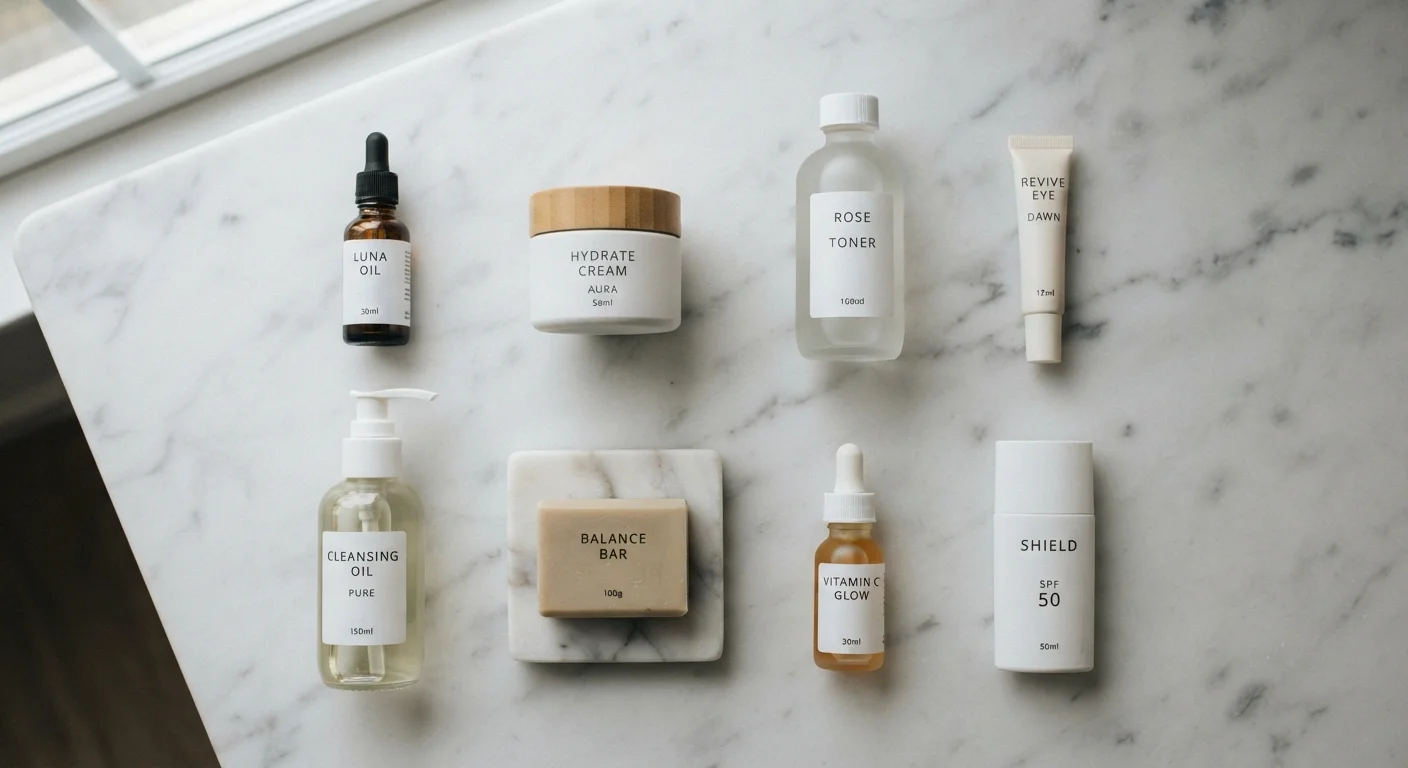
Photo: NemoFinds.com | Search, Explore, Read. editorial
Why Ingredient Labels Feel Like a Foreign Language
Pick up almost any moisturizer, serum, or toner and you'll find an ingredient list that reads like a chemistry exam. Names like niacinamide, retinol, and alpha-hydroxy acid appear constantly — but most of us were never taught what they actually do. That knowledge gap makes it genuinely hard to decide what belongs in your routine.
This reference guide cuts through the clutter. Each definition below explains what an ingredient is, how it works, and who it's generally suited for — in plain English, not lab-speak. If you're starting from scratch, our beginner's skincare routine guide is a great companion to this glossary.
Hyaluronic Acid
A naturally occurring substance found in the body that can hold up to 1,000 times its weight in water. In skincare, it's used as a humectant — meaning it draws moisture from the environment into the skin — to support a plump, hydrated appearance. It suits nearly all skin types, including sensitive skin.
Niacinamide
A form of vitamin B3 that helps support the skin's barrier, even out skin tone, and reduce the appearance of enlarged pores. It's widely considered well-tolerated and is often used to address redness, uneven pigmentation, and excess oil production.
Retinol
A derivative of vitamin A that encourages cell turnover, helping to fade the appearance of fine lines, dark spots, and uneven texture over time. It can cause dryness or irritation initially, so most dermatologists suggest starting with a lower concentration and introducing it gradually.
AHA (Alpha-Hydroxy Acid)
A category of water-soluble exfoliants — including glycolic acid and lactic acid — that work on the skin's surface to loosen dead skin cells and promote smoother texture. AHAs are generally recommended for dry or sun-damaged skin types, though they increase sun sensitivity, so SPF use is essential.
BHA (Beta-Hydroxy Acid)
Most commonly salicylic acid, BHA is an oil-soluble exfoliant that can penetrate deeper into pores than AHAs, making it a popular choice for oily or acne-prone skin. It helps clear congested pores and reduce blackheads.
Ceramides
Lipid (fat) molecules that occur naturally in the outer layer of skin and help form its protective barrier. In skincare products, ceramides are used to reinforce that barrier, reducing moisture loss and protecting against environmental irritants.
Vitamin C (Ascorbic Acid)
An antioxidant that helps protect skin from free radical damage caused by UV exposure and pollution. It's also commonly used to brighten skin tone and support collagen production. Vitamin C serums can be unstable; look for packaging that limits light and air exposure.
Peptides
Short chains of amino acids that act as signaling molecules in the skin. Different peptides are believed to support collagen synthesis, improve firmness, or help calm inflammation, though effects vary by type and formulation.
SPF (Sun Protection Factor)
A measurement of how much a sunscreen product protects against UVB rays — the rays primarily responsible for sunburn. Broad-spectrum formulas additionally protect against UVA rays, which contribute to long-term skin aging. Dermatologists generally recommend SPF 30 or higher for daily use.
Humectant
An ingredient that attracts and retains water, drawing moisture into the skin from both the environment and deeper skin layers. Common examples include hyaluronic acid, glycerin, and aloe vera.
Emollient
An ingredient that softens and smooths the skin by filling in gaps between skin cells with oils or lipids. Shea butter, squalane, and jojoba oil are common examples. Emollients differ from humectants in that they provide a softening effect rather than actively pulling in water.
Occlusives
Ingredients that form a physical barrier on the skin's surface to prevent moisture from evaporating — a process called transepidermal water loss (TEWL). Petrolatum, beeswax, and dimethicone are well-known occlusives, often found in thicker creams and ointments.
This article is for general informational purposes only and is not medical or dermatological advice. If you have a skin condition, persistent irritation, or concerns about a specific ingredient, consult a qualified dermatologist or healthcare professional.
Key Facts at a Glance
Before diving into definitions, here are a few high-level data points about how skincare ingredients are categorized and used — useful context for reading any label more confidently.
| Ingredient list order | Listed highest to lowest concentration by weight (INCI standard) (International Nomenclature of Cosmetic Ingredients (INCI) guidelines) |
| Active vs. inactive ingredients | Actives (e.g., SPF, salicylic acid) are regulated; most other ingredients are considered inactive or cosmetic (U.S. FDA cosmetic and drug classification framework) |
| Common exfoliant categories | AHAs (water-soluble, surface), BHAs (oil-soluble, pore-clearing), PHAs (gentler, larger molecule) |
| Skin barrier function | The outermost skin layer (stratum corneum) is reinforced primarily by ceramides, fatty acids, and cholesterol (General dermatology literature) |
| Patch testing recommendation | Apply a new product to a small area for 7–10 days before full-face use to check for reactions (Common dermatologist guidance) |
One area where label literacy pays off beyond skincare: if you're curious how similar ingredient transparency plays out in hair products, our breakdown of sulfates, parabens, and silicones in hair products explores the same concept for your strands. And when you see terms like non-comedogenic on packaging, our article on what non-comedogenic really means explains the science — and the limits — behind that claim.
More Ingredient Transparency in Hair Care
The content on this site is for informational purposes only and is not a substitute for professional advice. Always consult a qualified professional for guidance specific to your situation.