
Building a Skincare Routine From Zero

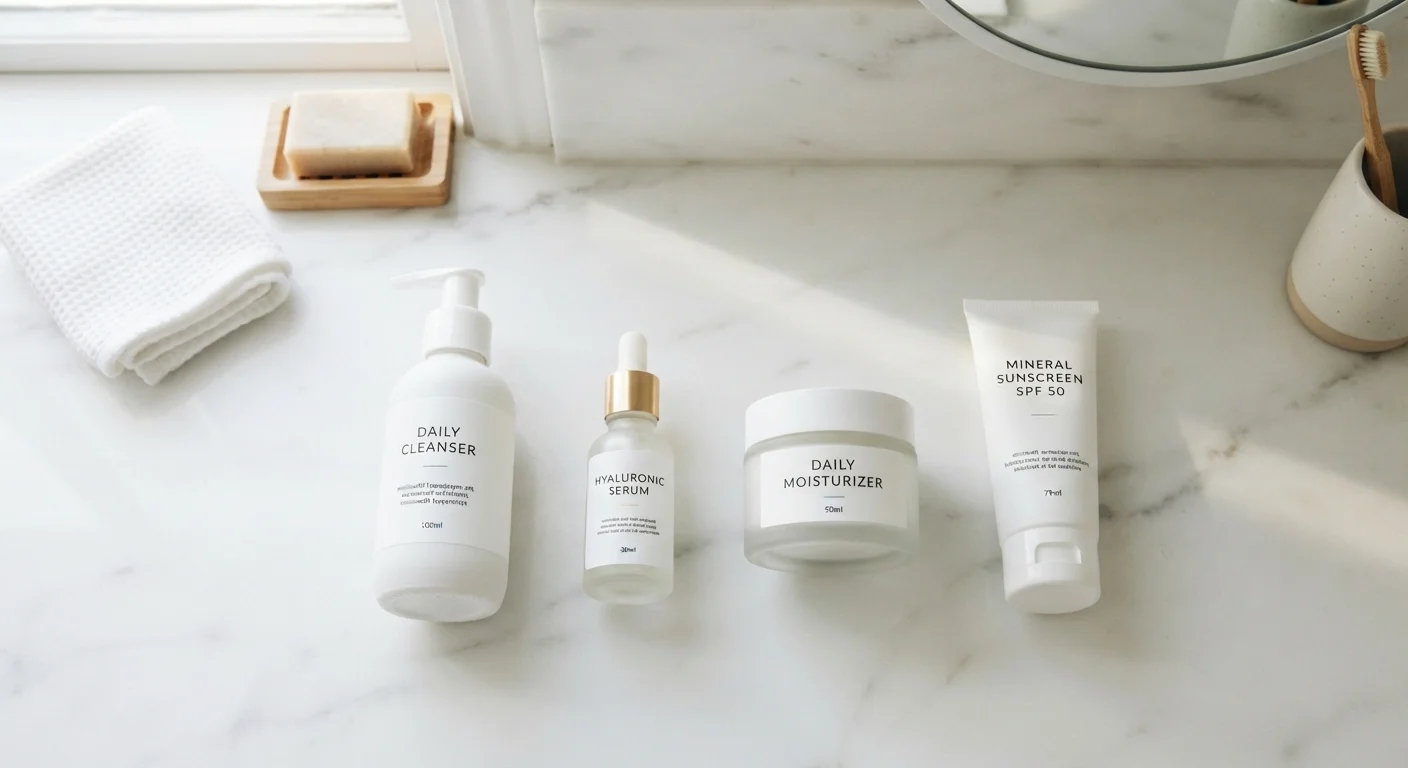
Photo: NemoFinds.com | Search, Explore, Read. editorial
Key Takeaways
- A three-step routine — cleanse, moisturize, SPF — covers the essentials for most beginners.
- Knowing your skin type before buying products saves money and reduces irritation.
- Morning and evening routines serve different purposes and use different products.
- Introducing one new product at a time makes it easier to spot what works or irritates.
- Consistency over weeks, not days, is what actually changes skin over time.
Why Bother With a Skincare Routine?
Skincare has a reputation for being complicated — and honestly, the beauty aisle doesn't help. But a routine doesn't need to be elaborate to be worthwhile. Your skin is your body's largest organ, and consistent, gentle care helps it function as the protective barrier it's meant to be.
The payoff isn't purely cosmetic. Regular cleansing removes pollutants and excess oil that can contribute to breakouts. Daily sunscreen is one of the most evidence-backed tools for protecting long-term skin health. And moisturizing supports the skin barrier, which can become compromised by weather, stress, and over-washing.
Starting simple is always the right call. A three-step routine practiced consistently will outperform a ten-step routine done sporadically every time.
Know Your Skin Type First
Buying products without knowing your skin type is a bit like buying shoes without knowing your size — you might get lucky, but you'll probably end up uncomfortable. The major skin types are dry, oily, combination, normal, and sensitive, and each responds differently to ingredients and textures.
Skin barrier
The outermost layer of skin that acts as a protective shield, keeping moisture in and irritants out. Disrupting it can lead to dryness, sensitivity, and breakouts.
Humectant
An ingredient that attracts and holds water molecules, helping to hydrate the skin. Hyaluronic acid and glycerin are common examples.
Broad-spectrum SPF
A sunscreen that protects against both UVA rays (which contribute to aging) and UVB rays (which cause sunburn). The number indicates how much UVB protection is provided.
Non-comedogenic
A label indicating a product is formulated to be less likely to clog pores — particularly useful for people prone to breakouts, though individual results vary.
Exfoliant
A product or ingredient that helps remove dead skin cells from the surface. Can be physical (scrubs) or chemical (acids like AHAs and BHAs).
A simple at-home test: wash your face with a gentle cleanser, pat dry, and observe your skin after an hour with nothing applied. Tightness or flaking suggests dry skin. A shiny appearance across the whole face suggests oily. Oiliness concentrated in the forehead, nose, and chin (the T-zone) with dryness on the cheeks indicates combination. If your skin feels comfortable and balanced, you're in the normal category. Persistent redness, burning, or reactions to many products may signal sensitive skin — worth discussing with a dermatologist.
The Three Non-Negotiables
Whatever your skin type, three steps form a solid foundation:
- Cleansing: A gentle, sulfate-free cleanser removes dirt, oil, and pollutants without stripping the skin's natural moisture. Avoid harsh soaps — they disrupt the skin barrier more than they help.
- Moisturizing: Every skin type benefits from hydration, even oily skin. The goal is to support the skin barrier. Lightweight gel formulas tend to suit oily skin; richer creams work better for dry skin.
- Sunscreen: Broad-spectrum SPF 30 or higher, applied every morning. This is non-negotiable regardless of weather or skin tone. UV exposure accumulates daily, and consistent protection is one of the most evidence-supported habits in skin health.
Patch Test Before Committing
Once you're confident with these three, you can explore add-ons like exfoliants or serums. See our guide to physical vs. chemical exfoliation when you're ready to take that next step.
Building Your Morning vs. Evening Routine
Morning and evening routines serve genuinely different purposes, which is why they're not identical.
Morning routine: Cleanse (or just rinse with water if your skin is dry), apply any lightweight serum, follow with moisturizer, and finish with sunscreen. The emphasis here is on protection — shielding your skin from UV rays and environmental stressors throughout the day.
Evening routine: This is the time for repair and renewal. Cleanse thoroughly to remove the day's buildup, then apply any active treatments (more on those in the next section), and finish with a moisturizer. You don't need sunscreen at night.
Understanding how layering works will help you get more out of both routines. Our skincare layering guide explains why product order actually affects how well ingredients absorb.
Ingredients Worth Understanding Early
You don't need to memorize an entire chemistry textbook, but a few key ingredient categories are worth recognizing:
- Hyaluronic acid: A humectant that draws moisture into the skin. Lightweight and generally well-tolerated by most skin types.
- Niacinamide: A form of vitamin B3 that can help with uneven tone and excess oil. A versatile, beginner-friendly ingredient.
- Retinoids: Vitamin A derivatives with a strong body of research behind them for supporting skin renewal. They can cause initial irritation, so starting slowly — a few nights a week — is wise. Not recommended during pregnancy; consult a healthcare provider if relevant.
- AHAs and BHAs: Chemical exfoliants (like glycolic acid and salicylic acid) that dissolve dead skin cells. Useful but easy to overuse. See our exfoliation explainer for a deeper look.
The golden rule: introduce one new ingredient at a time, spaced a week or two apart, so you can identify what your skin loves — and what it doesn't.
Don't Layer Active Ingredients Without Research
Making It Stick
Starting a routine is the easy part. Keeping at it long enough to see results is where most people stall. A few strategies help:
- Anchor it to an existing habit — morning coffee, brushing your teeth — so it becomes automatic rather than a separate decision.
- Keep products visible and accessible. If your routine requires effort to set up, it won't happen on tired mornings.
- Track reactions, not perfection. Notice how your skin responds over time rather than expecting instant transformation.
For a week-by-week structure to keep your routine clean and on track, our Weekly Skincare Reset Checklist is a practical companion. And if consistency is your challenge, these evidence-informed habits can help make it second nature.
This article is for general informational purposes only and does not constitute medical or dermatological advice. Consult a qualified healthcare professional or board-certified dermatologist for concerns about your skin health or any reactions to skincare products.
Frequently Asked Questions
The content on this site is for informational purposes only and is not a substitute for professional advice. Always consult a qualified professional for guidance specific to your situation.