
What 'Non-Comedogenic' Really Means — and When It Matters

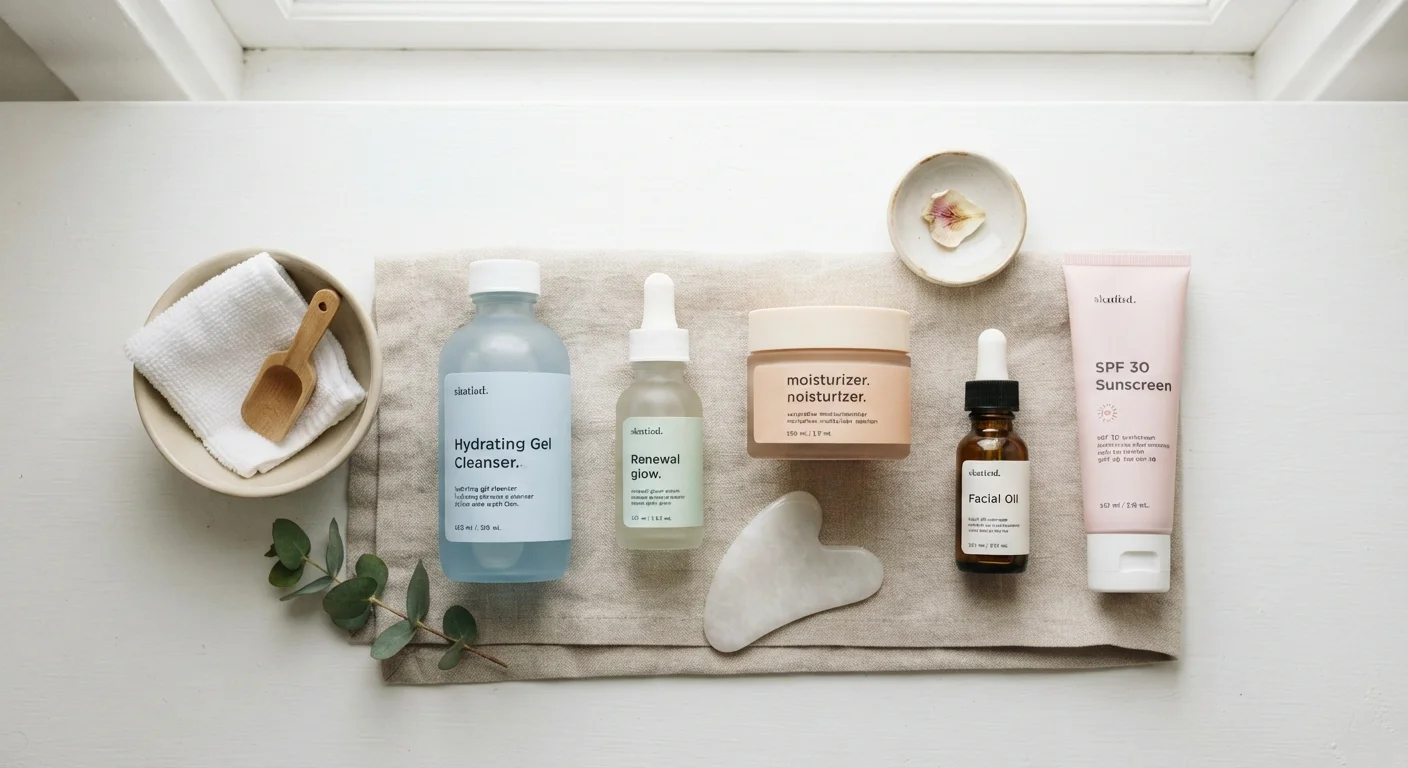
Photo: NemoFinds.com | Search, Explore, Read. editorial
Key Takeaways
- 'Non-comedogenic' is a self-regulated marketing claim, not an FDA-certified standard.
- No ingredient or product can guarantee it won't clog your pores — skin response is individual.
- The label matters most for people who are acne-prone or have oily, congested skin.
- Ingredient comedogenicity ratings exist but were developed from animal studies with limited human validity.
- Reading ingredient lists alongside the label gives you a fuller picture of what you're applying.
The Word Itself: What 'Comedogenic' Actually Refers To
Break the word apart and it becomes clear: a comedo is a clogged hair follicle or pore. When sebum (your skin's natural oil) and dead skin cells accumulate and block a pore, a comedo forms. Open comedones appear as blackheads; closed ones show up as whiteheads. Comedogenic means "likely to produce comedones," and non-comedogenic flips that — products labeled this way are formulated to minimize that risk.
The term shows up on moisturizers, sunscreens, foundations, and even hair products that contact the skin near your hairline. Understanding what's behind it helps you decide when it actually matters for your routine. For a broader look at how ingredient language works across product categories, see our skincare ingredients glossary.
The Regulation Gap — and Why It Matters
Here's the catch: in the U.S., the FDA does not define or regulate the term "non-comedogenic." Any brand can print it on a label without submitting proof to any regulatory body. This makes it similar to other unregulated beauty buzzwords — a topic explored in depth in our piece on clean beauty marketing claims.
That doesn't mean every brand using the label is being misleading. Many formulate their products carefully and conduct internal testing. But it does mean the label alone isn't a guarantee — it's a signal of intent, not a certified outcome.
About Comedogenicity Ratings
Some cosmetic chemists and dermatologists reference a comedogenicity scale — typically rated 0 to 5 — to assess how likely individual ingredients are to clog pores. These ratings originated largely from rabbit-ear studies conducted decades ago. While useful as a rough framework, the methodology doesn't map perfectly to how formulated products behave on human skin, especially at low concentrations.
When the Label Actually Matters for Your Skin
If your skin is rarely troubled by clogged pores or acne, the non-comedogenic label may not change much about your experience with a product. But for people with acne-prone, oily, or easily congested skin, the formulation choices behind the label can be genuinely meaningful.
The label becomes especially relevant in these situations:
- Acne-prone skin: Heavier, occlusive ingredients can worsen existing congestion. Lighter formulations flagged as non-comedogenic are worth prioritizing.
- Wearing makeup regularly: Foundations and primers sit on skin for hours. Knowing whether yours is formulated to avoid pore-clogging is useful context — see our article on what makeup primers actually do.
- Applying SPF daily: Some sunscreen formulas feel heavy or occlusive. If you've had pore congestion from SPF products, a non-comedogenic version is worth exploring. Our comparison of SPF moisturizers vs. standalone sunscreens covers this in more detail.
Start With Your Skin Type
Knowing your baseline skin type makes non-comedogenic labeling more useful, not less. Our article on skin type vs. skin condition explains how to distinguish between the two — a distinction that shapes which labels are worth prioritizing for you.
How to Use This Label Practically
Think of non-comedogenic as one useful filter, not a guarantee. Here's how to put it to work without over-relying on it:
- Patch-test new products regardless of label claims — apply to a small area for a few days before using all over your face.
- Read the ingredient list alongside the label. Ingredients like coconut oil, isopropyl myristate, and some waxes rank higher on comedogenicity scales, even in "non-comedogenic" products, depending on concentration.
- Layer thoughtfully. Even non-comedogenic products can contribute to congestion when multiple heavy products are stacked on top of each other.
- Track patterns. If breakouts consistently follow the introduction of a specific product, the label alone isn't enough information to rule it out as a cause.
If you're navigating persistent acne or skin congestion, a board-certified dermatologist can give personalized guidance that no label — or article — can replace.
This article is for informational and educational purposes only and is not a substitute for professional medical or dermatological advice. Consult a qualified healthcare professional for concerns about your skin health.
Frequently Asked Questions
The content on this site is for informational purposes only and is not a substitute for professional advice. Always consult a qualified professional for guidance specific to your situation.