
Why Fragrance in Skincare Divides Dermatologists

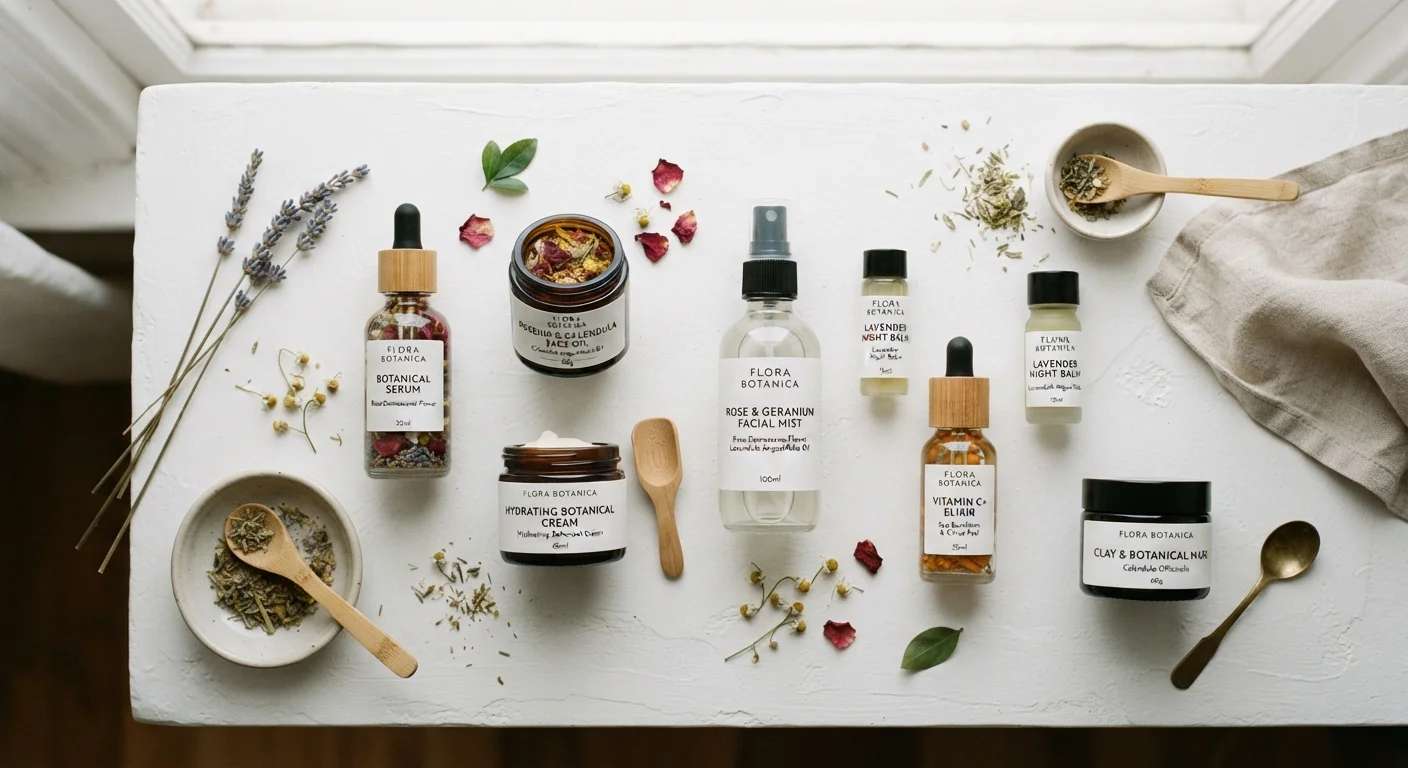
Photo: NemoFinds.com | Search, Explore, Read. editorial
Key Takeaways
- Fragrance is one of the most common contact allergens found in skincare and cosmetic products.
- Both synthetic and natural fragrances can trigger irritation, sensitivity, or allergic reactions.
- Fragrance-free products are not always scent-free — 'unscented' may still contain masking agents.
- People with sensitive, reactive, or compromised skin barrier function face the highest risk.
- Reading ingredient labels carefully is the most reliable way to make an informed choice.
Improves sensory experience and product enjoyment
A pleasant scent makes the act of applying skincare more enjoyable, which can support the consistency of a daily routine. Adherence to a routine is often a bigger factor in skin health outcomes than any single ingredient.
Signals freshness and product quality to consumers
For many shoppers, scent serves as a sensory cue for cleanliness and efficacy. Brands use this intentionally to reinforce product perception, and for the majority of users without sensitivity, it comes at little cost.
Some botanical fragrances carry secondary benefits
Certain plant-derived aromatic compounds — such as those found in chamomile or green tea extracts — have documented antioxidant or calming properties, though concentrations in cosmetics vary widely.
Well-tolerated by most people without sensitive skin
Population-level data suggests the majority of adults use fragranced products without clinically significant reactions. For those without a history of sensitivity or skin conditions, fragrance may pose minimal practical risk.
Leading cause of cosmetic contact dermatitis
Fragrance consistently ranks among the top allergens identified in patch testing. Reactions range from mild redness to persistent allergic contact dermatitis that requires medical management.
Ingredient blends remain largely undisclosed
The legal umbrella of "fragrance" or "parfum" can cover dozens of individual chemicals without itemized disclosure, making it nearly impossible for consumers or even clinicians to identify a specific trigger.
Natural and synthetic fragrances both carry sensitization risk
Essential oils derived from citrus, lavender, and cinnamon are among the most common botanical allergens detected in patch tests, challenging the assumption that natural automatically means gentler.
Particularly problematic for compromised skin barriers
People with eczema, rosacea, or psoriasis have a reduced barrier function that allows more ingredients — including fragrant compounds — to penetrate deeper, increasing both irritation and sensitization risk.
Sensitization can develop over time with repeated exposure
Allergic contact dermatitis is not always immediate. Sensitization can build gradually, meaning a product tolerated for years may eventually trigger a reaction without any change in formulation.
What 'Fragrance' Actually Means on a Label
When you see "fragrance" or "parfum" listed on a skincare ingredient label, it's functioning as an umbrella term — not a single ingredient. Under U.S. regulations, manufacturers are not required to disclose the individual compounds that make up a fragrance blend, a policy that dates back to protections for proprietary formulas. This means a single listing of "fragrance" can represent dozens of distinct chemical compounds.
This lack of transparency is one reason dermatologists approach the topic differently. Some view fragrance as an unnecessary risk given how little the consumer can verify. Others argue that low concentrations in well-formulated products are tolerable for most people. Understanding what's behind that one word on the label is the foundation for making a smarter choice for your own skin.
If ingredient transparency matters to you, understanding how to read past marketing labels is a practical next step.
The Case for Fragrance in Skincare
It's easy to frame fragrance as purely a liability, but there are legitimate reasons it's so widely used — and some genuine upsides worth acknowledging.
Improves sensory experience and product enjoyment
A pleasant scent makes the act of applying skincare more enjoyable, which can support the consistency of a daily routine. Adherence to a routine is often a bigger factor in skin health outcomes than any single ingredient.
Signals freshness and product quality to consumers
For many shoppers, scent serves as a sensory cue for cleanliness and efficacy. Brands use this intentionally to reinforce product perception, and for the majority of users without sensitivity, it comes at little cost.
Some botanical fragrances carry secondary benefits
Certain plant-derived aromatic compounds — such as those found in chamomile or green tea extracts — have documented antioxidant or calming properties, though concentrations in cosmetics vary widely.
Well-tolerated by most people without sensitive skin
Population-level data suggests the majority of adults use fragranced products without clinically significant reactions. For those without a history of sensitivity or skin conditions, fragrance may pose minimal practical risk.
Beyond these points, it's worth noting that aromatherapy research does suggest certain scents can influence mood and perceived stress, though these effects are psychological rather than dermatological. The ritual aspect of skincare — how a product smells and feels — is part of what motivates people to maintain consistent routines, which matters for long-term skin health.
The Case Against Fragrance in Skincare
The concerns dermatologists raise about fragrance aren't theoretical — they're backed by contact dermatitis research and patch-testing data collected over decades.
Leading cause of cosmetic contact dermatitis
Fragrance consistently ranks among the top allergens identified in patch testing. Reactions range from mild redness to persistent allergic contact dermatitis that requires medical management.
Ingredient blends remain largely undisclosed
The legal umbrella of "fragrance" or "parfum" can cover dozens of individual chemicals without itemized disclosure, making it nearly impossible for consumers or even clinicians to identify a specific trigger.
Natural and synthetic fragrances both carry sensitization risk
Essential oils derived from citrus, lavender, and cinnamon are among the most common botanical allergens detected in patch tests, challenging the assumption that natural automatically means gentler.
Particularly problematic for compromised skin barriers
People with eczema, rosacea, or psoriasis have a reduced barrier function that allows more ingredients — including fragrant compounds — to penetrate deeper, increasing both irritation and sensitization risk.
Sensitization can develop over time with repeated exposure
Allergic contact dermatitis is not always immediate. Sensitization can build gradually, meaning a product tolerated for years may eventually trigger a reaction without any change in formulation.
~1 in 10
People affected by fragrance allergy
Estimates from contact dermatitis research suggest roughly 8–11% of the general population may have some degree of fragrance sensitivity, with higher rates among those with existing skin conditions.
Top 5
Fragrance ranks among cosmetic allergens
Fragrance mixture consistently appears in the top five allergens identified through standard patch testing in dermatology clinics across North America and Europe.
One important nuance: "natural" fragrance isn't automatically safer. Essential oils like lavender, citrus, and peppermint are among the most common botanical sensitizers. The source of a fragrance ingredient — synthetic or plant-derived — does not reliably predict its irritation potential.
Fragrance-Free vs. Unscented: A Critical Distinction
These two terms sound interchangeable but mean very different things. Fragrance-free means no fragrant compounds have been added — it's the more protective choice for sensitive skin. Unscented means the product has no perceptible smell, but masking agents (which are themselves fragrant compounds) may have been used to neutralize odor. Those masking agents can still trigger reactions in sensitive individuals.
What to Look for on the Label
When building or adjusting your skincare routine, the order in which you apply products also affects how much of each ingredient actually contacts your skin — something worth considering if you're managing sensitivity. See how layering products in the right order can affect both absorption and irritation risk.
This article is for informational purposes only and does not constitute medical or dermatological advice. If you experience persistent skin irritation, consult a board-certified dermatologist.
The content on this site is for informational purposes only and is not a substitute for professional advice. Always consult a qualified professional for guidance specific to your situation.