
Skincare Layering: Why the Order You Apply Products Actually Matters

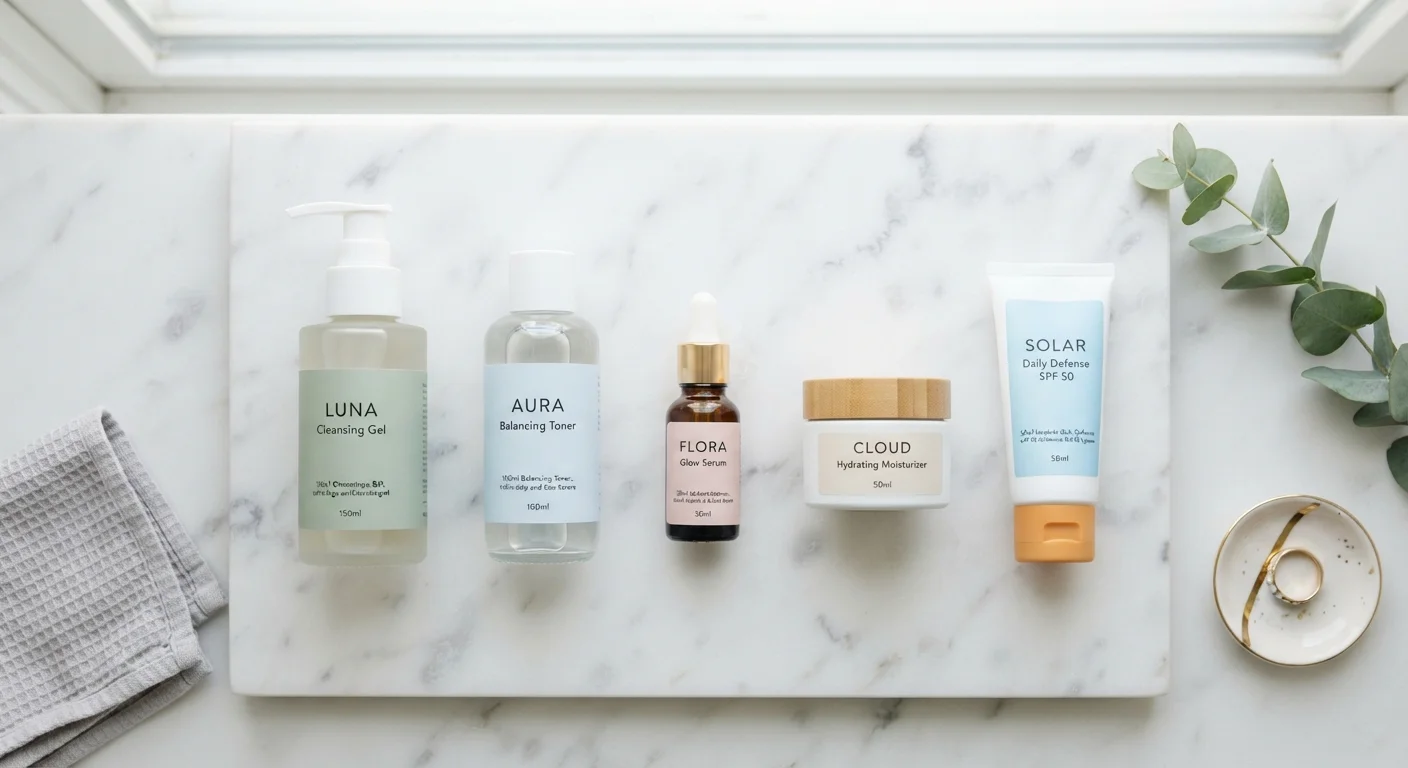
Photo: NemoFinds.com | Search, Explore, Read. editorial
Key Takeaways
- Apply products from lightest to heaviest texture for best absorption.
- Cleansing first removes barriers that would prevent active ingredients from penetrating.
- Sunscreen always goes last in a morning routine to maintain its protective layer.
- Waiting 30–60 seconds between steps lets each product settle before the next is applied.
- Using too many actives at once can cause irritation — simpler routines often perform better.
The Simple Logic Behind Layering Order
Think of your skin like a brick wall. Products can only get in if they're small enough to pass through. Thin, water-based formulas — like toners and serums — have smaller molecules and need a clear path. Thicker creams and oils form a semi-occlusive seal that, while beneficial for locking in moisture, will block anything applied on top from getting through.
This is why the universal starting rule is: lightest to heaviest. It's not arbitrary — it's basic chemistry applied to your bathroom counter. If you've ever applied a facial oil before your vitamin C serum and wondered why your skin didn't seem to improve, this is very likely why.
If you're brand new to building a routine at all, our beginner's guide to building a skincare routine is a great place to start before diving into layering specifics.
Test Your Layering Order at Home
A Step-by-Step Layering Framework
Here's a straightforward sequence that reflects widely accepted guidance from dermatologists and estheticians for a morning routine:
- Cleanser — Always start on a clean canvas. Residue, oil, and overnight skin shedding will sit between your skin and any product you apply.
- Toner or essence — These water-based liquids balance skin and prep it to absorb what comes next. Pat in gently; don't rub.
- Serums and treatments — This is where targeted actives live: vitamin C, hyaluronic acid, niacinamide. Apply from thinnest to thickest if using more than one.
- Eye cream — The delicate eye area benefits from its own formula; apply before heavier moisturizers so it isn't blocked.
- Moisturizer — Locks in everything beneath it and supports the skin barrier.
- Sunscreen (AM only) — The final, non-negotiable morning step. Nothing goes on top.
At night, the sequence stays the same through moisturizer — but sunscreen is replaced by heavier recovery products like facial oils or sleep masks. For a deeper look at what your skin is actually doing after dark, see our piece on nighttime skincare and skin repair.
~30–60s
Recommended wait time between layering steps
Estheticians commonly suggest this brief pause to allow each product to begin absorbing before the next is applied.
6
Core steps in a complete morning routine
Cleanser, toner, serum, eye cream, moisturizer, and SPF represent the widely recognized full morning layering sequence.
Common Layering Mistakes (and Easy Fixes)
Even with good intentions, a few habits quietly undermine a routine:
- Applying oil before water-based products: Oils seal. If your serum is water-based, it needs to go on before any facial oil, not after.
- Skipping wait time: Rushing from step to step can cause products to pill — that annoying flaking when formulas don't combine well. A brief 30–60 second pause between steps makes a real difference.
- Stacking too many actives: More isn't always more. Combining multiple exfoliating acids or potent retinoids in one routine can cause irritation, redness, or sensitivity. A simpler approach with fewer products often delivers better results. Our guide to choosing the right exfoliation method can help you understand how actives interact.
- Putting sunscreen in the middle of your routine: Sunscreen has to be the last layer in the morning. Its filtering mechanism depends on forming an uninterrupted film on the surface of your skin.
Layering Isn't One-Size-Fits-All
If you want a practical system for keeping your whole routine consistent and effective over time, the habits that make routines stick article is worth a read.
Frequently Asked Questions
The content on this site is for informational purposes only and is not a substitute for professional advice. Always consult a qualified professional for guidance specific to your situation.