
Natural Fibers vs. Synthetic Fabrics: Dressing for Comfort and Longevity

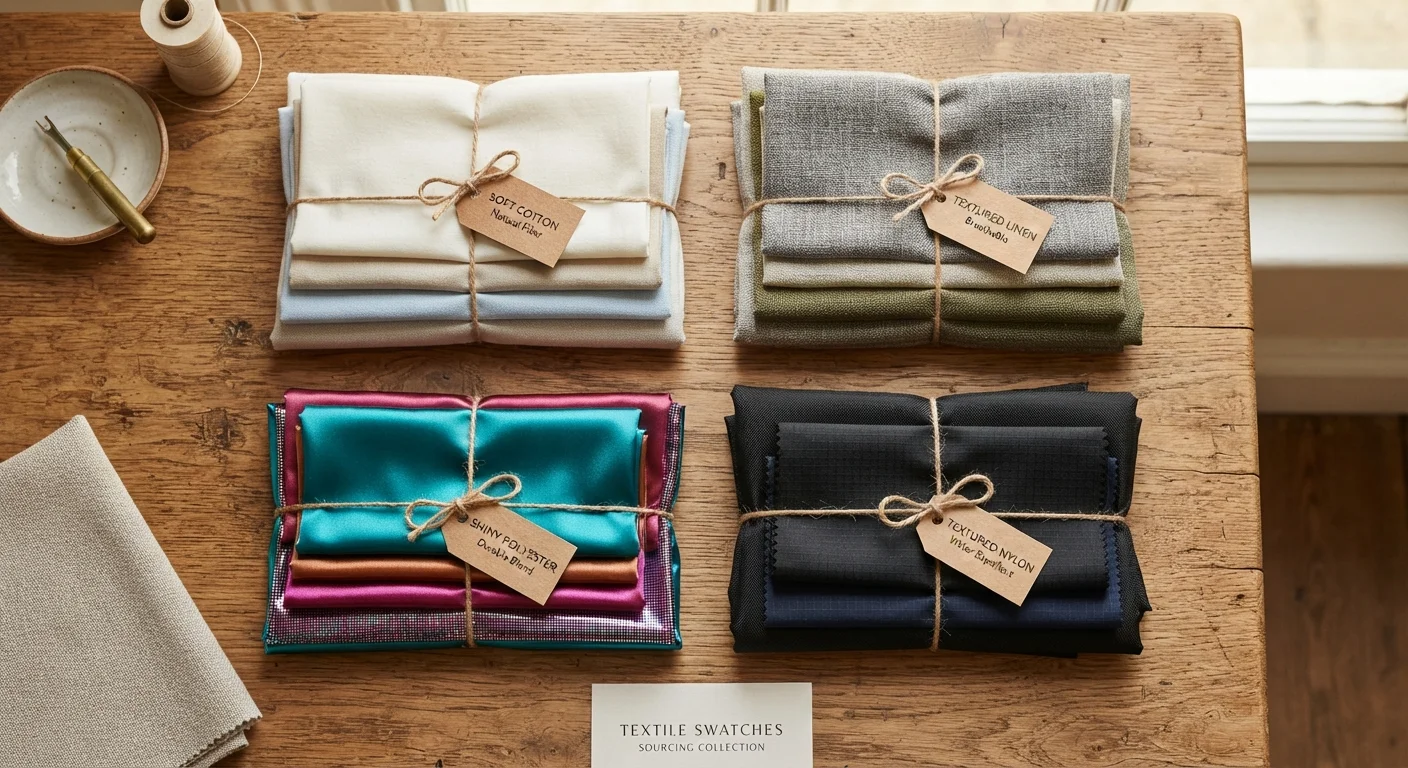
Photo: NemoFinds.com | Search, Explore, Read. editorial
Key Takeaways
- Natural fibers like cotton and linen tend to breathe better and suit sensitive or allergy-prone skin.
- Synthetic fabrics like polyester and nylon are generally more durable and resistant to shrinking or wrinkling.
- Your climate, lifestyle, and care preferences should guide which fiber works best for a given garment.
- Blended fabrics combine traits of both, offering a practical middle ground for many everyday pieces.
- Neither category is universally superior — each has meaningful trade-offs worth understanding before you shop.
What Separates Natural From Synthetic
Natural fibers come directly from plants or animals — cotton from the cotton plant, linen from flax, wool from sheep, silk from silkworms. Synthetic fabrics are manufactured from petroleum-derived chemicals; polyester, nylon, acrylic, and spandex all fall into this category. Both are woven or knit into the clothes you wear every day, but they behave very differently on your body and over time.
Understanding these differences isn't just trivia. It's the kind of foundational knowledge that helps you build a wardrobe that actually works — regardless of budget. For a deeper look at how garment choices hold up across time, see our article on classic versus timeless clothing.
| Criterion | Natural Fibers | Synthetic Fabrics |
|---|---|---|
| Breathability | High — allows airflow | Variable — depends on construction |
| Moisture management | Absorbs moisture | Wicks quickly (performance grades) |
| Durability | Good with proper care | Generally high; resists abrasion |
| Wrinkle resistance | Lower — linen, cotton crease easily | Higher — holds shape well |
| Shrink risk | Moderate to high (especially cotton/wool) | Low |
| Skin sensitivity | Generally gentler on sensitive skin | Can cause irritation for some |
| Care requirements | More delicate; follow label closely | Usually machine-washable and durable |
| Environmental footprint | Biodegradable; farming impacts vary | Petroleum-based; microplastic shedding |
Comfort and Breathability
Natural fibers have a genuine edge when it comes to breathability. Cotton and linen allow air to pass through the weave, helping your body regulate temperature naturally. Wool is a standout performer across seasons — it insulates in cold weather and manages moisture in warmer conditions. Silk feels luxurious against the skin and is surprisingly temperature-adaptive.
Synthetics, by contrast, can trap heat and moisture against the skin in everyday situations — though performance-grade synthetics (think moisture-wicking polyester used in athletic gear) are specifically engineered to move sweat away efficiently. The key distinction: athletic synthetics and fashion synthetics are not the same thing. A polyester blouse behaves very differently from a polyester running shirt.
~35%
Global apparel fiber share — cotton
According to Textile Exchange's Preferred Fiber & Materials Market Report, cotton consistently accounts for roughly a third of all fiber used in global apparel production.
~52%
Global fiber production — synthetic share
Textile Exchange data indicates synthetic fibers, led by polyester, now make up the majority of global fiber production by volume.
For people with eczema, contact dermatitis, or general skin sensitivity, dermatologists generally suggest starting with soft, tightly woven natural fibers. That said, individual responses vary, and some people find certain wool blends or rough-textured linens equally irritating. When in doubt, consult a dermatologist about your specific skin concerns.
Durability, Care, and the Long Game
Synthetics tend to win on raw durability. Nylon is highly resistant to abrasion, polyester holds color well and resists shrinking, and most synthetics handle repeated machine washing without much drama. If you're outfitting a teenager or need pieces that survive heavy daily use, synthetics are hard to beat on toughness.
Natural fibers require more attention. Cotton can shrink in hot water; wool may felt if agitated too aggressively; linen wrinkles easily. But with proper care — cool washes, gentle cycles, air drying — quality natural fiber garments can outlast their synthetic counterparts by years, sometimes decades. That makes them a smart choice for versatile wardrobe staples you plan to wear across many settings and seasons.
Check the Care Label First
Blended fabrics — like a cotton-polyester T-shirt or a wool-acrylic sweater — aim to capture the best of both worlds. They're often more wrinkle-resistant than pure natural fibers and softer than pure synthetics, making them a practical everyday option.
When rotating your wardrobe each season, knowing what you have and what it's made of helps you store and care for pieces correctly. Our seasonal wardrobe transition guide walks through exactly how to do that.
The content on this site is for informational purposes only and is not a substitute for professional advice. Always consult a qualified professional for guidance specific to your situation.