
The Difference Between Classic, Trendy, and Timeless Clothing

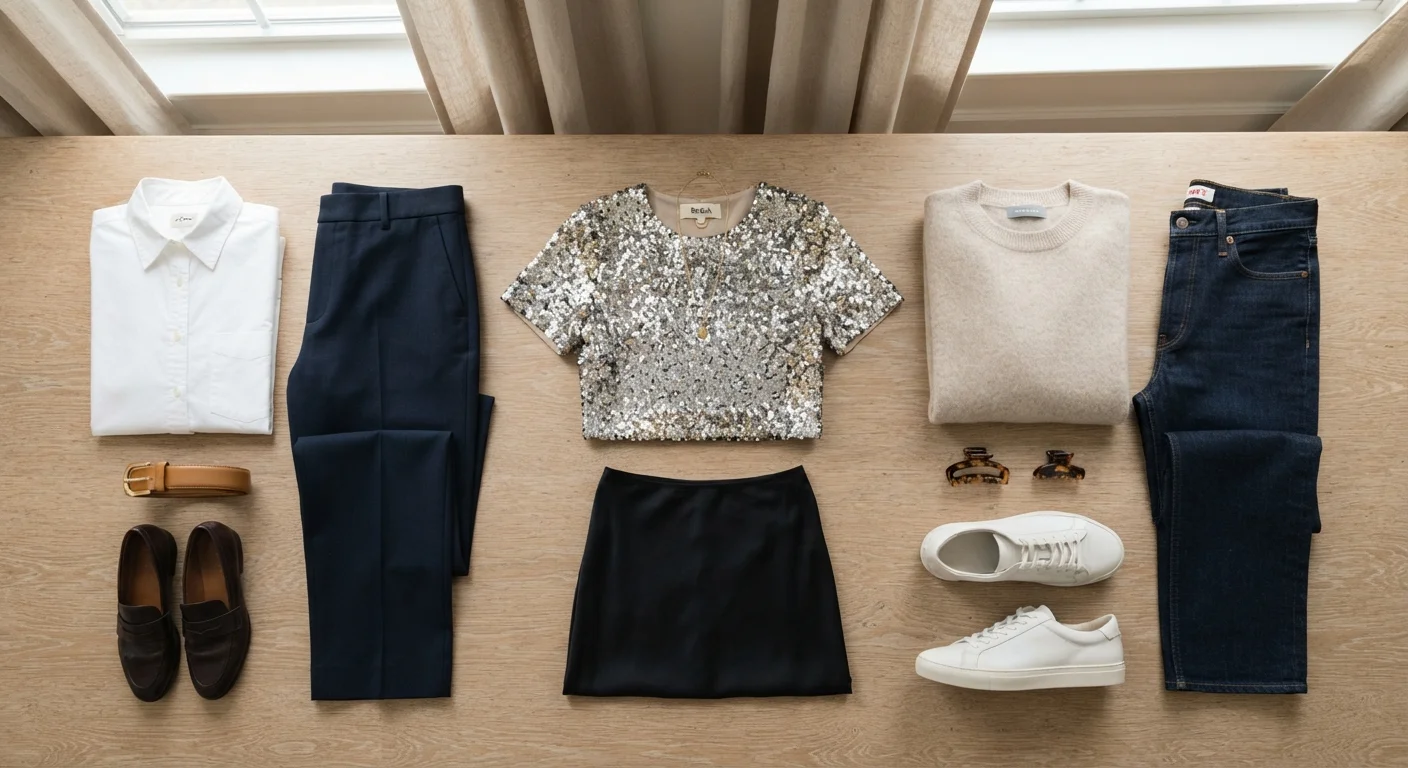
Photo: NemoFinds.com | Search, Explore, Read. editorial
Key Takeaways
- Trendy pieces reflect current fashion moments but typically have a short wearable lifespan.
- Classic styles have long track records but can still feel dated during certain fashion cycles.
- Timeless pieces stay relevant across decades due to their clean design and versatility.
- A smart wardrobe usually blends all three categories rather than committing to just one.
- Fit, fabric, and proportion often determine whether a piece ages well.
Why These Labels Actually Matter
Walk into any store and you'll see clothes that look great right now — and others that look like they've always belonged. Understanding why helps you make smarter decisions about what to spend, what to keep, and what to let go.
The terms trendy, classic, and timeless aren't just fashion-magazine jargon. They describe how a garment relates to time — specifically, how long it stays relevant and wearable. Getting comfortable with these distinctions is one of the most practical things you can do for your wardrobe, regardless of your budget or personal style. See how versatile wardrobe pieces factor into this equation across different life contexts.
Trendy: Fast, Fun, and Fleeting
Trendy clothing is shaped by what's popular right now — a specific silhouette, color palette, or detail that's everywhere one season and absent the next. Think of ultra-low-rise jeans in the early 2000s, or the cottage-core aesthetic that swept social media in recent years. These pieces are exciting to wear and can feel genuinely expressive, but they have a short runway.
Trendy items tend to feature bold or unusual details that anchor them to a specific moment — exaggerated proportions, novelty prints, or statement hardware. That's precisely what makes them feel fresh, and also what makes them feel dated quickly.
Try the 'Cost Per Wear' Test
This doesn't mean avoiding trends entirely. Incorporating one or two trend-driven pieces per season can keep your wardrobe feeling current without requiring a full overhaul. The style myths that complicate getting dressed often pressure people to either chase every trend or avoid them completely — neither extreme is necessary.
Classic: Proven, but Not Permanent
Classic clothing has stood the test of time in the sense that it keeps returning to fashion's center stage. The trench coat, the blazer, the Oxford shirt, the A-line skirt — these pieces have decades of track records behind them. But here's what people often miss: classic doesn't mean immune to fashion cycles.
A classic piece can still feel out of step if its proportions or detailing are too closely tied to a particular era. A wide-lapel blazer from the 1970s is classic in category, but might read as costume depending on context. What keeps classic pieces wearable is updating the details — fit, fabric weight, and how they're styled — while preserving the core silhouette.
Fabric Matters for Longevity
The fabric a classic piece is made from matters enormously to its longevity. Natural fibers vs. synthetic fabrics covers how material choice affects both durability and how a garment wears over time.
Timeless: The Category That Transcends Cycles
Timeless clothing is the most durable category of all. These are pieces whose design is so stripped of trend-specific detail that they don't anchor themselves to any particular moment. A well-fitted white cotton shirt, a pair of straight-leg trousers in a neutral color, a simple cashmere crewneck — none of these will look dated in five, ten, or fifteen years.
What distinguishes timeless from merely classic is the absence of era-specific markers. Timeless silhouettes tend to be clean and balanced, colors are typically neutral or subdued, and detailing is minimal. Fit is the most critical variable — a timeless piece that fits poorly will never look right, while one that fits well seems to improve with time. That's why understanding what fit actually means in fashion is so foundational.
~60%
Of clothing items rarely worn after purchase
Industry sustainability research frequently cites estimates suggesting a significant portion of purchased clothing is worn only a handful of times before being discarded or donated.
52
Micro-seasons per year in fast fashion
Some fashion industry analysts have noted that the pace of trend cycles has accelerated dramatically, with certain fast-fashion retailers releasing new collections nearly every week.
How to Balance All Three in a Real Wardrobe
The most functional wardrobes aren't made up of exclusively timeless pieces — that can feel sterile. Nor are they dominated by trends — that becomes exhausting and expensive. The sweet spot for most people is a foundation of timeless basics, a layer of classics that reflect personal taste, and a rotating handful of trend-forward pieces added seasonally.
A few practical ways to think about this:
- Invest more in timeless pieces, since cost-per-wear over years is favorable.
- Spend moderately on classics, updating them when proportions shift noticeably.
- Spend carefully on trends — enjoy them, but don't over-commit financially.
When you're reassessing your wardrobe between seasons, this framework helps you identify what to keep and what's run its course. Our guide on seasonal wardrobe transitions walks through that process in practical detail.
Frequently Asked Questions
The content on this site is for informational purposes only and is not a substitute for professional advice. Always consult a qualified professional for guidance specific to your situation.