
The Capsule Wardrobe Explained: What It Is and Why It Works

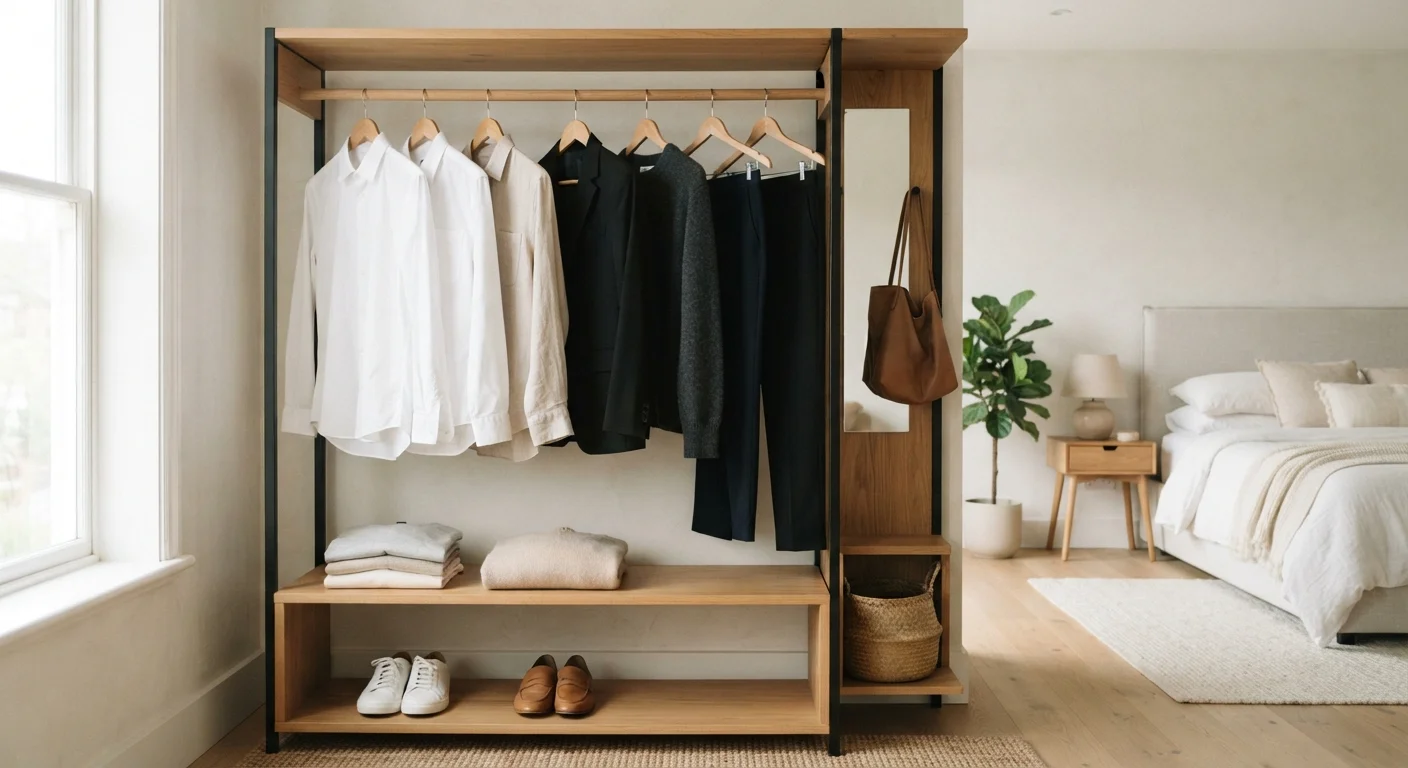
Photo: NemoFinds.com | Search, Explore, Read. editorial
Key Takeaways
- A capsule wardrobe prioritizes quality and versatility over quantity.
- Every piece should work with multiple other items in the collection.
- The concept applies to any budget, body type, or personal style.
- Fewer choices can reduce decision fatigue and make getting dressed easier.
- A capsule wardrobe is built around your actual lifestyle, not an idealized one.
Where the Idea Came From
The phrase "capsule wardrobe" has been floating around fashion circles for decades, but its roots are surprisingly practical. Susie Faux, who owned a London boutique called Wardrobe in the 1970s, used the term to describe a set of timeless, high-quality essentials that a woman could build her entire look around. The idea was straightforward: stop buying things impulsively and start building something intentional.
The concept got a major boost in 1985 when designer Donna Karan launched her "Seven Easy Pieces" collection — a handful of interchangeable garments designed to take a professional woman from morning meetings to evening events. It proved the point: a small, well-considered collection could handle almost any situation.
Decades later, the idea has only gained traction. As closets have gotten more crowded and fast fashion has made it easier than ever to accumulate clothes, many people are returning to this simpler framework as a way to cut through the clutter.
“Style is a way to say who you are without having to speak. A small wardrobe that truly reflects you will always outperform a large one that doesn't.”
— Susie Faux, Boutique owner credited with coining the term 'capsule wardrobe'
The Core Principles Behind It
A capsule wardrobe isn't defined by a specific list of items — it's defined by how those items relate to each other and to your real life. A few guiding principles make it work:
- Versatility first. Every piece should combine with at least three or four others in your wardrobe. If something only works one way, it's taking up more space than it earns.
- Fit matters more than trends. A well-fitting basic will serve you far longer than a trendy statement piece that's awkward to wear. As explored in our guide to how clothes actually fit on real bodies, the gap between a garment on a hanger and on a body is significant.
- Your lifestyle, not someone else's. A capsule for a remote worker looks different from one for someone who commutes to an office five days a week. Start with what you actually do, not what you imagine your life to be.
- Quality over quantity — within your budget. This doesn't mean everything needs to be expensive. It means choosing pieces that hold up well, feel comfortable, and are made to last through regular wear.
Start With What You Already Wear
Why It Actually Works
The psychological case for a smaller wardrobe is real. Decision fatigue — the mental drain of making too many choices — is well-documented in behavioral research. When your closet is full of items that don't combine well, getting dressed becomes a low-grade daily stressor. A capsule wardrobe removes that friction by ensuring that almost anything you pull out works with almost anything else.
There's also a practical clarity that comes with knowing exactly what you own. When you can see your wardrobe clearly, you stop buying duplicates, you notice genuine gaps, and you shop with more purpose. For a structured way to assess what you currently own, a wardrobe audit is a great starting point.
~20%
Clothes worn regularly from the average wardrobe
Research and wardrobe studies frequently cite that most people regularly wear only about a fifth of what they own, leaving the majority unused.
30–50
Typical pieces in a functional capsule wardrobe
Style educators and wardrobe consultants commonly suggest this range as a practical target, though individual needs vary widely.
The result isn't a wardrobe that feels restrictive — it's one that feels like it's working for you rather than against you.
How to Think About Building One
Starting a capsule wardrobe doesn't require buying a whole new wardrobe from scratch. In fact, most people already own some capsule-worthy pieces — they're just buried under things that don't fit, don't suit them, or haven't been worn in years.
The process typically starts with an honest look at what you already have, then identifying what genuinely works together and what fills the gaps in your actual daily life. If you're starting fresh, our practical guide to building a wardrobe from scratch walks through the thinking step by step.
It also helps to think about versatility across contexts — the pieces that move from casual to professional to social without missing a beat tend to anchor a strong capsule. Versatile pieces across different life contexts digs into exactly those qualities. And once you've built something that works, seasonal transitions help you keep it relevant year-round without starting over each time.
The capsule wardrobe concept is ultimately a framework for more intentional choices — and that's something that works at every budget level. For broader strategies on shopping with purpose, smart shopping principles offer useful context.
Frequently Asked Questions
The content on this site is for informational purposes only and is not a substitute for professional advice. Always consult a qualified professional for guidance specific to your situation.