
Dress Codes Decoded: From Business Casual to Smart Casual

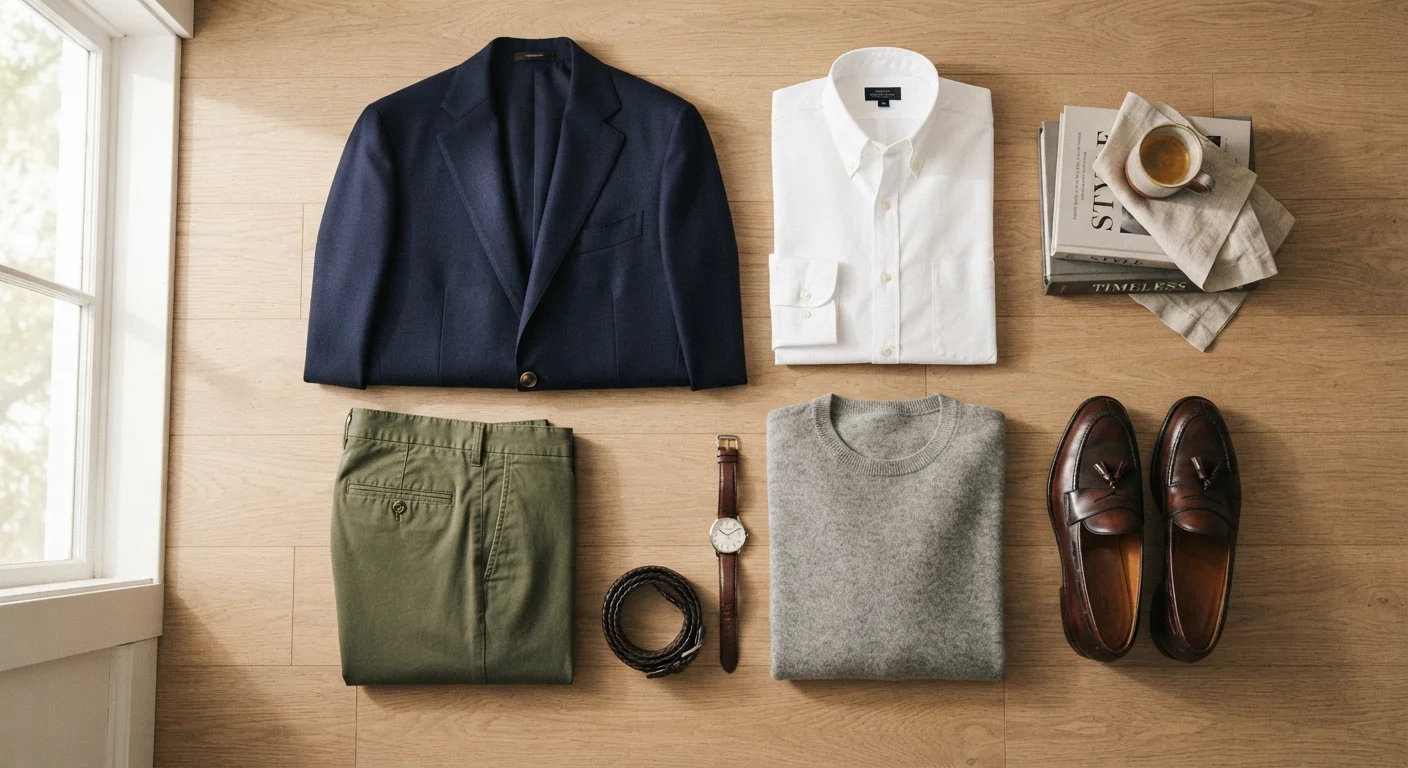
Photo: NemoFinds.com | Search, Explore, Read. editorial
Why Dress Codes Still Matter
Dress codes aren't about gatekeeping — they're shared shorthand that helps everyone show up feeling appropriate and confident. The challenge is that terms like "business casual" and "smart casual" get used interchangeably, interpreted differently by every host, employer, or venue, and rarely come with a decoder ring.
This guide breaks down the most common dress codes you'll encounter in the U.S., what they actually expect of you, and where there's genuine flexibility. Understanding the logic behind the labels matters more than memorizing a rigid list — because once you grasp the intent of a dress code, you can apply good judgment to any situation. For a deeper look at building clothing that flexes across settings, see our guide on versatile wardrobe pieces.
| Most Commonly Misread Dress Code | Business Casual |
| Dress Codes on the Formality Spectrum | 5 main levels (Business Formal → Casual) |
| Key Factor at Every Level | Fit, condition, and contextual appropriateness |
| When in Doubt | Dress one level more formal than you think is needed |
| Does Price Point Determine Dress Code Success? | No — fit and condition matter more than brand or cost |
The Dress Code Spectrum Explained
Think of dress codes as existing on a spectrum from most formal to most relaxed. Here's how the most common ones break down:
Business Formal
This is traditional corporate attire: matched suits or skirt suits in neutral tones, dress shirts, ties (for men), and closed-toe dress shoes. Think law firms, finance, or formal presentations. The goal is polished and conservative.
Business Professional
A step down from formal but still structured. Tailored trousers or skirts, blazers, and collared shirts are standard. Colors can be slightly wider — navy, charcoal, deep burgundy — but bold prints and casual fabrics are generally avoided.
Business Casual
One of the most misread codes. It does not mean casual with a blazer thrown on top. Business casual typically means neat, office-appropriate clothing that doesn't require a full suit: chinos or tailored trousers, blouses, button-downs, clean knit tops, and loafers or low heels. Jeans may be acceptable in some workplaces — but check the culture before assuming. Athletic wear, graphic tees, and flip-flops fall outside this category.
Smart Casual
Smart casual sits between business casual and everyday relaxed. It's the dress code of dinner reservations, cocktail parties without a strict dress requirement, and creative workplaces. Dark well-fitted jeans can work here. Pair them with a structured top, clean footwear, and considered accessories. The "smart" in smart casual signals intentionality — you've clearly put thought into the outfit, even if it's relaxed.
Casual
Casual means comfortable and personal — but not necessarily sloppy. Clean, well-maintained clothing in any style generally fits. This is where your personality has the most room to show up. Even within casual, condition and fit matter: clothes that are worn out, visibly dirty, or ill-fitting can read as careless rather than relaxed.
Business Casual
A workplace dress code that sits between formal suiting and everyday casual wear. It typically includes tailored trousers, blouses, collared shirts, and neat footwear — but excludes athletic wear, graphic tees, and overly casual fabrics.
Smart Casual
A social or semi-professional dress code that combines relaxed pieces with intentional styling. Dark jeans, structured tops, and clean footwear are typical — the key is that the outfit looks considered rather than thrown together.
Business Formal
The most structured end of everyday dress codes, requiring matched suits, dress shirts, and polished shoes. Associated with corporate, legal, or high-stakes professional settings.
Dress Code Spectrum
The range of formality levels that dress codes occupy, from black tie at the most formal end to casual at the most relaxed. Understanding where a code falls on the spectrum helps guide outfit decisions.
Fit and Drape
How clothing conforms to and hangs on the body. Well-fitting, properly draped garments look polished at any price point, while ill-fitting clothing can undermine even an expensive outfit.
How to Read Between the Lines
When a dress code feels ambiguous, a few practical strategies help. First, consider the setting and host. A rooftop happy hour at a startup calls for different judgment than a hotel ballroom gala — even if both say "smart casual." Second, when in doubt, err one level more formal than you think is required. Overdressing slightly almost never causes problems; underdressing often does.
Third, fit and fabric do a lot of the work. A well-fitting garment in a quality fabric elevates any dress code — and knowing how to care for those fabrics keeps them looking sharp longer. Our fabric care label guide helps you decode those garment tags so your key pieces stay in good condition.
Finally, remember that dress codes exist across a wide range of body types and budgets. The goal is always fit, condition, and context — not a specific brand or price point. A well-pressed cotton blazer from a thrift store communicates business casual just as effectively as a designer version. If you're evaluating what you already own and what gaps to address, a wardrobe audit can be a useful starting point. And understanding whether a piece is classic or trend-driven helps you invest where it counts.
When the Invite Doesn't Specify
The content on this site is for informational purposes only and is not a substitute for professional advice. Always consult a qualified professional for guidance specific to your situation.