
Heat Styling Without the Damage: What Hair Professionals Consistently Recommend

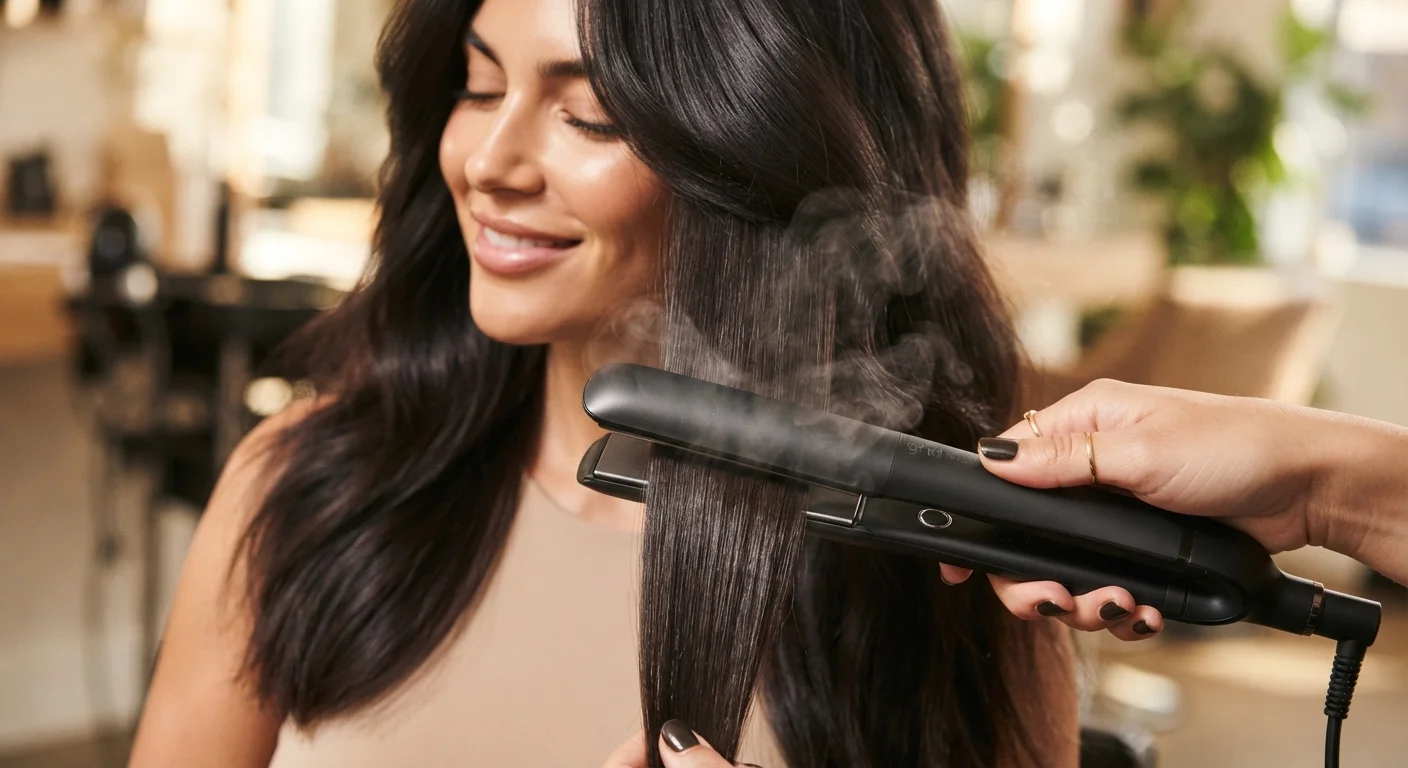
Photo: NemoFinds.com | Search, Explore, Read. editorial
Key Takeaways
- Always apply a heat protectant before using any hot tool — it's the single most impactful protective step.
- Using the lowest effective temperature for your hair type reduces cumulative damage significantly.
- Limiting heat styling frequency gives hair time to recover and retain moisture between sessions.
- Proper prep — detangling, drying, and sectioning — means fewer passes with a hot tool.
- Color-treated and chemically processed hair requires extra caution, as it's already more porous and fragile.
Why Heat Causes Hair Damage in the First Place
Before you can style smarter, it helps to understand what's actually happening inside the strand. Hair is made of a protein called keratin, and the cuticle — the outermost layer — acts as a protective shield. When heat is applied, especially repeatedly or at high temperatures, it can disrupt the hydrogen bonds that give hair its structure, lift the cuticle, and drive out moisture. Over time, this leads to dryness, breakage, and that tell-tale dull, straw-like texture.
Different hair types respond to heat differently. Fine, straight hair can show damage at lower temperatures, while coarser or tightly coiled hair may require higher heat to style — but is also naturally more prone to moisture loss. Understanding your hair's baseline helps you choose the right approach rather than defaulting to the highest setting.
For those who color their hair, the stakes are higher. Chemically treated strands are already more porous, which means heat causes faster moisture loss. See our article on why color-treated hair fades faster for more on how heat habits compound that issue.
Best Practices for Heat Styling That Professionals Consistently Recommend
These aren't rigid rules — they're evidence-backed habits that hair care professionals broadly agree on for protecting strand integrity while still getting the results you want.
Always apply a heat protectant to damp or dry hair before any hot tool touches it.
Use the lowest temperature that actually gets the job done for your hair type.
Make sure hair is fully dry before using a flat iron or curling wand.
Section hair properly so you make fewer passes with the tool.
Keep the tool moving — never hold it stationary on a section of hair.
Build in heat-free days regularly to let hair recover.
Quick Wins You Can Start Today
You don't have to overhaul your entire routine overnight. A few immediate changes can reduce heat stress on your hair starting with your very next style session.
For a deeper understanding of how drying methods compare over time, check out our piece on air drying vs. blow drying — the science there may surprise you.
Supporting Your Hair Between Heat Sessions
What you do between styling sessions matters just as much as how you use hot tools. Keeping hair well-moisturized is foundational. If you're not sure which products to reach for, our guide on conditioners, deep conditioners, and hair masks breaks down exactly when to use each one.
A Note on "Heat Repair" Products
It's also worth reading labels carefully before reaching for a heat protectant or restorative treatment. Our guide to reading hair product labels explains which ingredients actually deliver and which are mostly marketing speak.
And if you're considering giving your hair a full break from heat, protective styles can be a useful tool — though they come with their own considerations worth understanding.
This article is for general informational and educational purposes only. For personalized advice about your hair type or scalp health, consult a licensed cosmetologist or dermatologist.
The content on this site is for informational purposes only and is not a substitute for professional advice. Always consult a qualified professional for guidance specific to your situation.