
Scalp Health 101: What It Is, Why It Matters, and How to Assess Yours

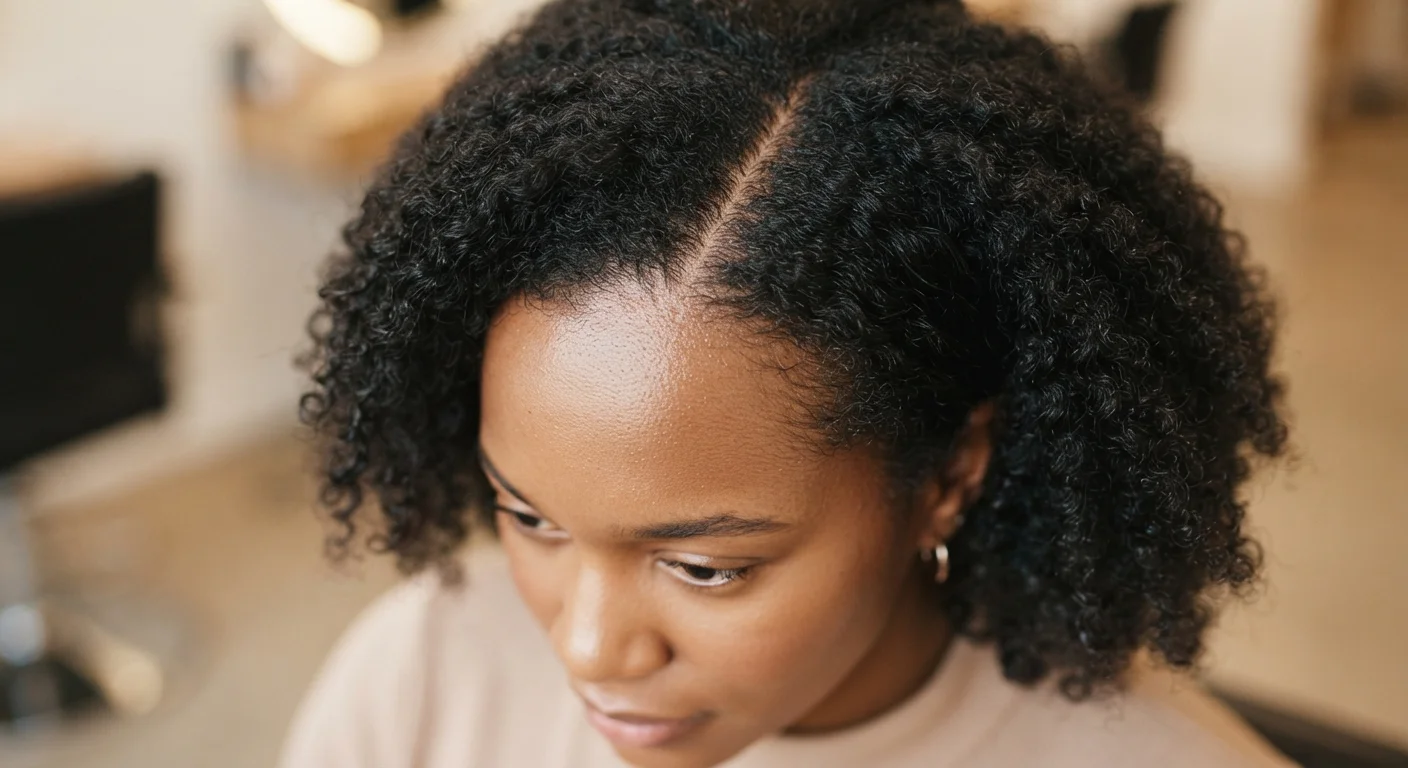
Photo: NemoFinds.com | Search, Explore, Read. editorial
Key Takeaways
- The scalp is skin, and its health directly influences how your hair grows and feels.
- A balanced scalp is neither excessively oily nor uncomfortably dry, and is free of persistent irritation.
- Common issues like dandruff, dryness, and product buildup are manageable once correctly identified.
- A simple self-assessment using your senses can reveal a lot about your scalp's current state.
- Washing frequency, diet, and stress all play measurable roles in scalp condition.
What Is Scalp Health, Exactly?
Your scalp is skin — roughly 8 square inches of it — and it behaves like skin everywhere else on your body. It has pores, produces oil (called sebum), sheds dead cells, and can become irritated, dry, or imbalanced. The key difference? It's also home to roughly 100,000 hair follicles, which makes its condition directly tied to how your hair grows, feels, and holds up over time.
Scalp health refers to the overall condition of this skin: how well it maintains moisture, how effectively it manages oil production, and whether its environment supports healthy follicle function. Think of it as the foundation your hair grows from. If the foundation is off, you'll often notice it in your strands before you notice it on your scalp.
Sebum
The natural oil produced by glands in your scalp. It helps moisturize and protect both the scalp skin and the hair shaft — but too much or too little can cause issues.
Hair follicle
A small pocket in the skin from which each individual hair strand grows. The health of the follicle environment influences hair growth and thickness.
Scalp microbiome
The community of bacteria, fungi, and other microorganisms naturally living on the scalp. A balanced microbiome helps maintain a healthy scalp environment.
Product buildup
The accumulation of residue from shampoos, conditioners, dry shampoo, or styling products on the scalp or hair shaft over time.
Seborrheic dermatitis
A common skin condition that causes flaking and sometimes redness, often on the scalp. It's associated with an overgrowth of a naturally occurring yeast and is commonly referred to as dandruff in its milder form.
It's worth noting that scalp health sits at the intersection of biology, lifestyle, and environment. Genetics play a role, but so do your washing habits, stress levels, diet, and the products you use. Just like the rest of your skin, it responds to what you do — and don't do — consistently.
Signs of a Healthy vs. Unhealthy Scalp
Knowing what "healthy" looks and feels like is the first step to assessing your own scalp. Here's a quick reference:
| Healthy Scalp | Potential Concern |
|---|---|
| Comfortable — no itching or tightness | Persistent itch, burning, or soreness |
| Moderate oil — not greasy, not parched | Excess grease or extreme dryness |
| No visible flaking | White or yellow flakes on scalp or shoulders |
| Consistent hair density | Noticeable thinning or patchy areas |
| No redness or inflammation | Visible redness, bumps, or sores |
A few flakes after a dry winter week or slightly more oil on a humid day are normal fluctuations. It's when symptoms are persistent, worsening, or uncomfortable that they deserve more attention.
Common Scalp Conditions to Know
Several scalp conditions are widespread and manageable once you understand what you're dealing with.
- Dandruff (seborrheic dermatitis): Linked to a naturally occurring yeast on the scalp that can overgrow in certain conditions, causing flaking, itchiness, and sometimes redness. It's not caused by poor hygiene.
- Dry scalp: Often triggered by cold weather, low humidity, over-washing, or reactions to products. Produces smaller, drier flakes than dandruff. For a detailed comparison, see our piece on dandruff vs. dry scalp.
- Product buildup: Residue from styling products, dry shampoo, or heavy conditioners accumulates on the scalp and can clog follicles, cause dullness, or mimic other conditions.
- Contact dermatitis: An allergic or irritant reaction to a product ingredient, causing redness, itching, or rash.
- Scalp psoriasis: A chronic autoimmune condition that causes thick, scaly patches; requires diagnosis and management by a healthcare provider.
Don't Self-Diagnose Persistent Scalp Issues
If you're experiencing significant or sudden hair shedding alongside scalp issues, our article on hair loss in your 20s and 30s breaks down when it's worth checking in with a professional.
How to Do a Simple Scalp Self-Assessment
You don't need a dermatoscope to get a general read on your scalp. A straightforward check using your senses takes just a few minutes and can reveal a lot about what's going on.
- Look: Part your hair in several places under good lighting (natural light works well). Look for redness, visible flakes, sores, or noticeable changes in density.
- Touch: Gently run your fingertips along the scalp. Does it feel smooth or rough? Are there bumps or tender spots?
- Smell: An unusually strong odor — distinct from normal post-workout sweat — can signal bacterial overgrowth or fungal activity.
- Track timing: Note how quickly your scalp feels oily or uncomfortable after washing. This gives clues about sebum production and whether your current routine is working.
Track Your Scalp Over a Few Weeks
Your scalp condition isn't necessarily fixed. Much like skin type vs. skin condition, what you observe today reflects a combination of your baseline biology and your current habits. Both matter.
Everyday Habits That Support Scalp Balance
Most scalp issues respond well to consistent, low-intervention habits. You don't need an elaborate routine — but a few basics go a long way.
- Wash at the right frequency for you: There's no universal answer. Hair texture, oil production, and lifestyle all factor in. Our guide on how often to shampoo can help you find your rhythm.
- Rinse thoroughly: Shampoo and conditioner residue left on the scalp is a surprisingly common source of irritation and buildup.
- Mind what you put on your scalp: Heavy products applied directly to the roots can block follicles. Understanding ingredient lists helps — see how to read a hair product label for guidance.
- Manage stress: Chronic stress is associated with increased scalp oiliness and can be a trigger for certain inflammatory conditions. Supporting general wellbeing matters — healthy daily habits are a practical place to start.
- Consider your diet: Nutritional deficiencies — particularly in iron, zinc, and B vitamins — can affect the scalp and hair follicle environment. A broadly balanced diet supports overall scalp health. For general guidance, the nutrition basics hub is a helpful starting point.
This article is for general informational and educational purposes only, and is not a substitute for professional medical advice. If you have concerns about a scalp condition or significant hair changes, consult a qualified healthcare provider or dermatologist.
Frequently Asked Questions
The content on this site is for informational purposes only and is not a substitute for professional advice. Always consult a qualified professional for guidance specific to your situation.