
Liability-Only vs. Full Coverage Auto Insurance

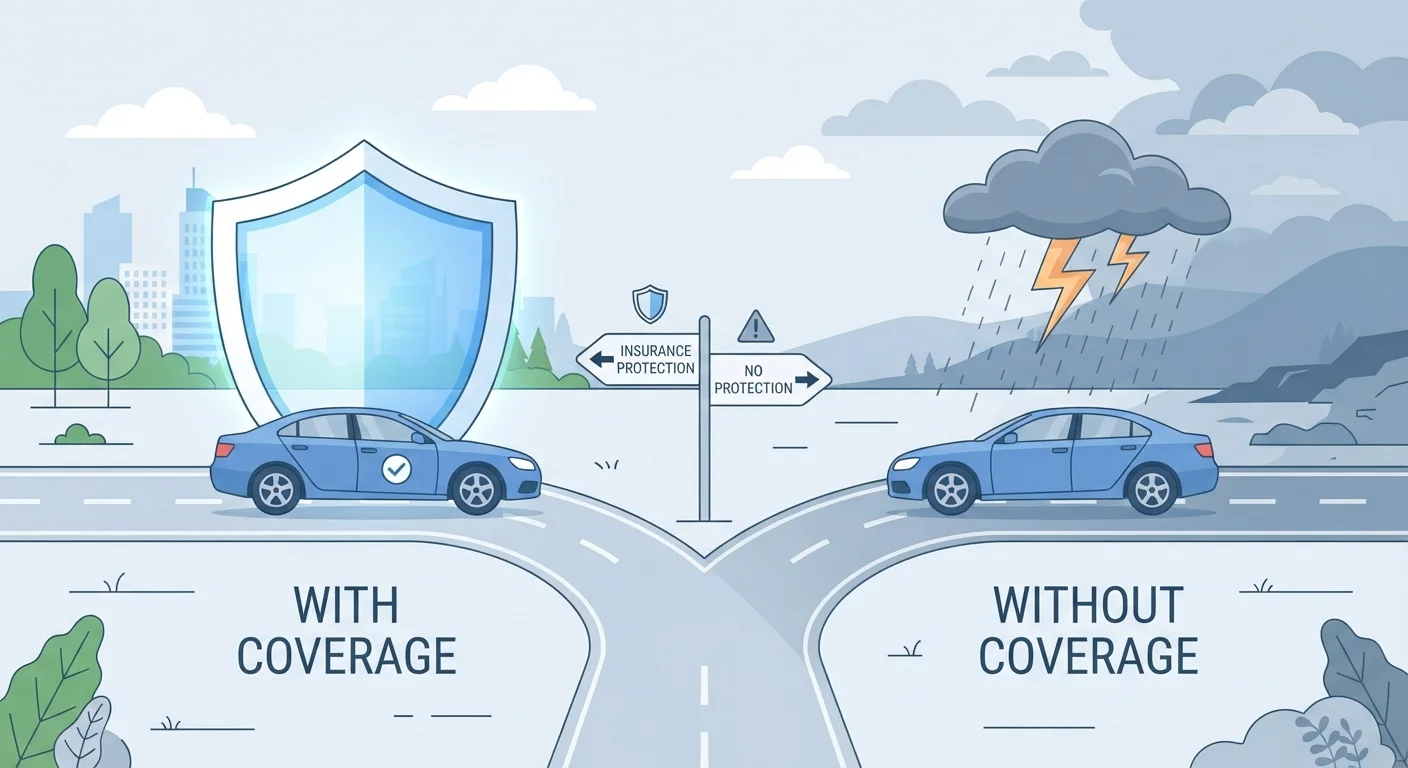
Photo: NemoFinds.com | Search, Explore, Read. editorial
Key Takeaways
- Liability-only coverage pays for damage and injuries you cause to others - it does not cover your own vehicle.
- Full coverage typically combines liability, collision, and comprehensive protection in one policy.
- Lenders almost always require full coverage when a vehicle is financed or leased.
- A vehicle's age, market value, and your savings cushion are the main factors when choosing between the two.
- Neither coverage type guarantees a specific premium or outcome - terms vary by insurer and state.
What Each Coverage Actually Includes
Understanding the distinction starts with what each policy type covers - and, just as importantly, what it leaves out.
Liability-only coverage is the legal minimum required in nearly every U.S. state. It pays for bodily injury and property damage you cause to other people in an at-fault accident. It does not pay to repair or replace your own vehicle under any circumstances. For a deeper look at how liability limits work, see how liability protection is structured in auto policies.
Full coverage is not a single policy type but a shorthand for a bundle that typically includes:
- Liability - the same other-party protection described above.
- Collision - pays to repair or replace your vehicle after an accident, regardless of fault.
- Comprehensive - covers non-collision losses such as theft, weather damage, fire, and falling objects.
Some policies also include uninsured/underinsured motorist coverage and personal injury protection, though requirements and availability vary by state. For a complete breakdown of coverage categories, the plain-language auto insurance coverage reference explains each component clearly.
| Criterion | Liability-Only | Full Coverage |
|---|---|---|
| Covers damage to others | Yes | Yes |
| Covers your vehicle after a collision | No | Yes (collision) |
| Covers theft or weather damage | No | Yes (comprehensive) |
| Required by most lenders | No - violates loan terms | Yes |
| Meets state minimum requirement | Yes (in most states) | Yes |
| Typical premium cost | Lower | Higher |
| Best suited for | Older, owned, lower-value vehicles | Newer, financed, or higher-value vehicles |
The Key Factors That Drive the Choice
There is no universally correct answer - the right coverage level depends on your specific situation. Three factors tend to matter most.
~13%
U.S. drivers estimated uninsured
The Insurance Research Council has estimated roughly one in eight drivers on U.S. roads carries no insurance at all, underscoring why liability minimums exist.
$4,700+
Average collision claim cost
Industry data from the Insurance Information Institute indicates average collision claims frequently exceed several thousand dollars, illustrating the financial exposure of going without collision coverage.
Vehicle Value
The higher your car's current market value, the more financial risk you carry without collision and comprehensive protection. A general rule of thumb: if the annual cost of adding collision and comprehensive coverage approaches or exceeds 10% of the vehicle's market value, the math starts to favor liability-only. However, this is a rough guide, not a guarantee.
Loan or Lease Status
If a lender or lessor has a financial interest in your vehicle, they will almost certainly require full coverage as a condition of financing. Dropping to liability-only on a financed vehicle typically violates your loan agreement. See how dealer and bank financing differ for context on lender requirements.
Your Financial Cushion
Could you afford to repair or replace your vehicle if it were totaled tomorrow? If not, full coverage limits your exposure to the deductible. If you have savings that could absorb a total loss, carrying only liability may be a reasonable financial decision - but it's one that carries real risk and should be weighed carefully.
For a side-by-side look at collision versus comprehensive specifically, collision vs. comprehensive auto coverage walks through when each pays out.
State Minimums Vary Significantly
Common Misconceptions to Avoid
Several misunderstandings lead drivers to make coverage decisions they later regret.
"Full coverage means everything is covered." It doesn't. Mechanical breakdowns, normal wear and tear, and custom equipment not listed on the policy are typically excluded. Always read your actual policy documents.
"Liability-only is illegal." Not necessarily - it meets the minimum legal requirements in most states. The issue arises when a lender contractually requires more, or when a driver mistakenly believes it protects their own car.
"Dropping coverage saves money with no downside." It can reduce premiums, but it also transfers the full financial risk of vehicle damage back to you. A single significant accident without coverage could cost far more than years of premiums saved.
Insurance terms, exclusions, and state-mandated minimums vary widely. This article provides general educational information - not personalised insurance advice. Always review actual policy documents and consult a licensed insurance agent or adviser before making coverage decisions based on your specific circumstances.
This article is for general informational purposes only and does not constitute personalised insurance, financial, or legal advice. Coverage terms, availability, and premiums vary by provider, policy, and state. Consult a licensed insurance professional for guidance tailored to your situation.
The content on this site is for informational purposes only and is not a substitute for professional advice. Always consult a qualified professional for guidance specific to your situation.