
Collision vs. Comprehensive Auto Coverage: Knowing the Difference

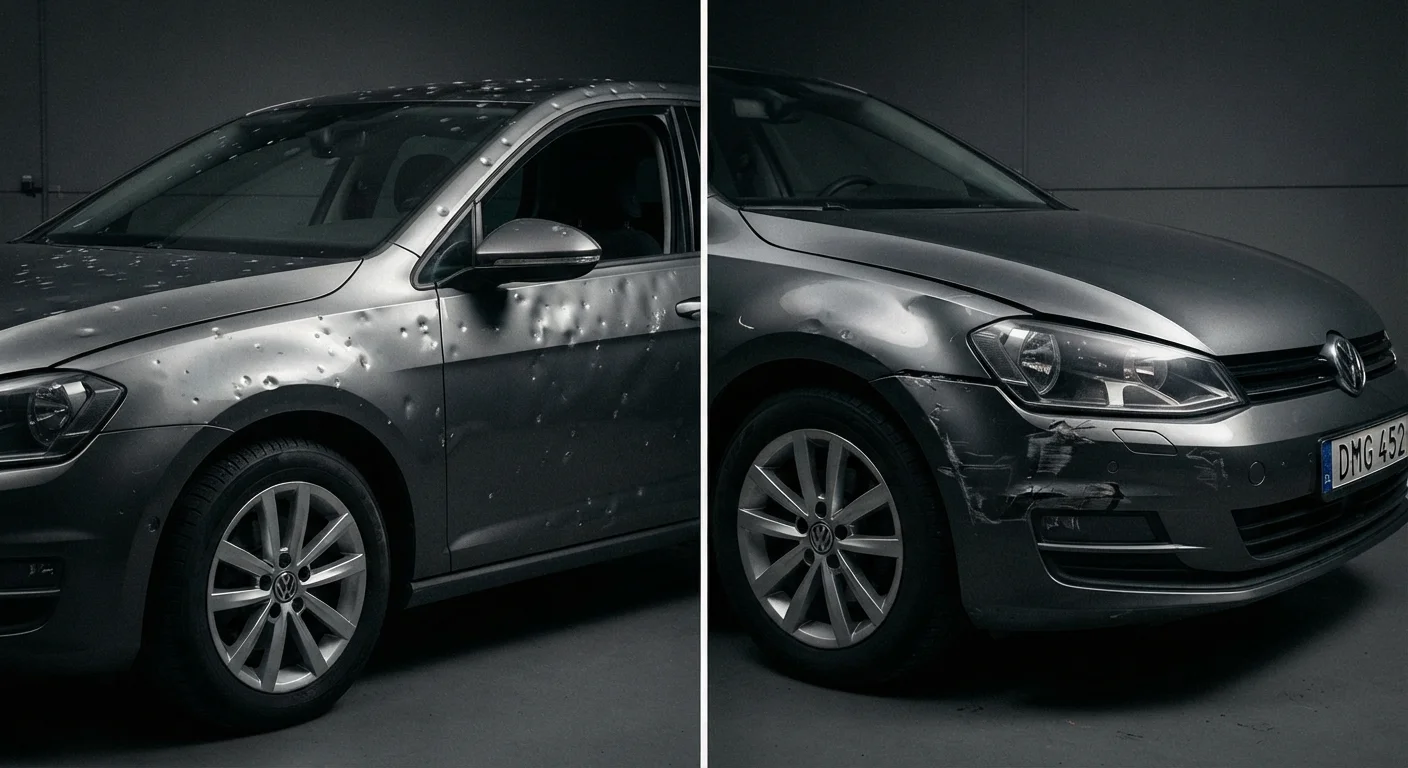
Photo: NemoFinds.com | Search, Explore, Read. editorial
Key Takeaways
- Collision coverage pays for damage caused by your car hitting another vehicle or object.
- Comprehensive coverage pays for damage from events like theft, hail, floods, and animal strikes.
- Both coverages are optional unless your lender or lessor requires them.
- Each has its own deductible, which you pay out of pocket before insurance kicks in.
- Neither collision nor comprehensive covers injuries — that requires separate liability or medical coverage.
What Each Coverage Actually Does
Auto insurance policies use a lot of terms, but collision and comprehensive are among the most commonly misunderstood. Both pay to repair or replace your vehicle — but only in specific circumstances. Understanding the difference helps you know what you're actually paying for.
Collision coverage applies when your vehicle makes contact with something else. That includes hitting another car, backing into a fence, or sliding into a guardrail. The key word is impact. If your car moves and hits something, collision is the coverage that responds.
Comprehensive coverage, sometimes called "other than collision" coverage, handles damage that happens to your car without a driving-related impact. Common covered events include theft, vandalism, hail, flooding, fire, fallen trees, and striking an animal. You didn't cause the damage — circumstances did.
For a broader look at how these fit into your full policy, see our overview of auto insurance coverage types.
| Criterion | Collision Coverage | Comprehensive Coverage |
|---|---|---|
| What triggers a claim | Your car hits another vehicle or object | A non-collision event damages or takes your car |
| Common examples | Fender benders, single-car accidents, parking lot damage | Theft, hail, flooding, fire, animal strikes, vandalism |
| Driver fault required? | No — applies regardless of fault | No — typically an external event |
| Has a deductible? | Yes | Yes (set separately) |
| Required by law? | No — optional unless lender requires it | No — optional unless lender requires it |
| Covers injuries? | No | No |
| Max payout | Actual cash value of vehicle | Actual cash value of vehicle |
Deductibles, Payouts, and What to Expect From a Claim
Both coverages come with a deductible — the amount you pay out of pocket before your insurer covers the rest. Deductibles for each are set independently, so you might carry a $500 collision deductible and a $250 comprehensive deductible on the same policy.
When a covered loss occurs, your insurer pays the repair cost minus your deductible, up to the vehicle's actual cash value (ACV) — what the car is worth at the time of the loss, not what you originally paid. If repair costs exceed ACV, the insurer may total the vehicle and pay you the ACV instead.
~80%
Insured drivers carrying comprehensive coverage
According to the Insurance Information Institute, roughly 80% of insured U.S. drivers carry comprehensive coverage, compared to about 76% who carry collision.
$491
Average annual comprehensive premium (U.S.)
The National Association of Insurance Commissioners reported the average U.S. expenditure on comprehensive coverage was approximately $168, with collision closer to $491, based on recent industry data.
One important point: neither collision nor comprehensive covers injuries to you or others. Bodily injury protection, personal injury protection (PIP), and medical payments coverage are separate. For a comparison of how coverage boundaries work in other insurance contexts, the concept is similar to how dwelling and personal property coverage divide what they protect.
If you're weighing whether to carry one, both, or neither alongside your liability policy, our article on liability-only vs. full coverage auto insurance walks through that decision in detail.
When Your Lender Decides for You
This article is for general informational purposes only and does not constitute personalized insurance, financial, or legal advice. Coverage terms, exclusions, deductibles, and costs vary by insurer, policy, and state. Always read your actual policy documents and speak with a licensed insurance agent or adviser regarding your specific situation.
The content on this site is for informational purposes only and is not a substitute for professional advice. Always consult a qualified professional for guidance specific to your situation.