
Signs Your Car Battery Is Nearing the End of Its Life

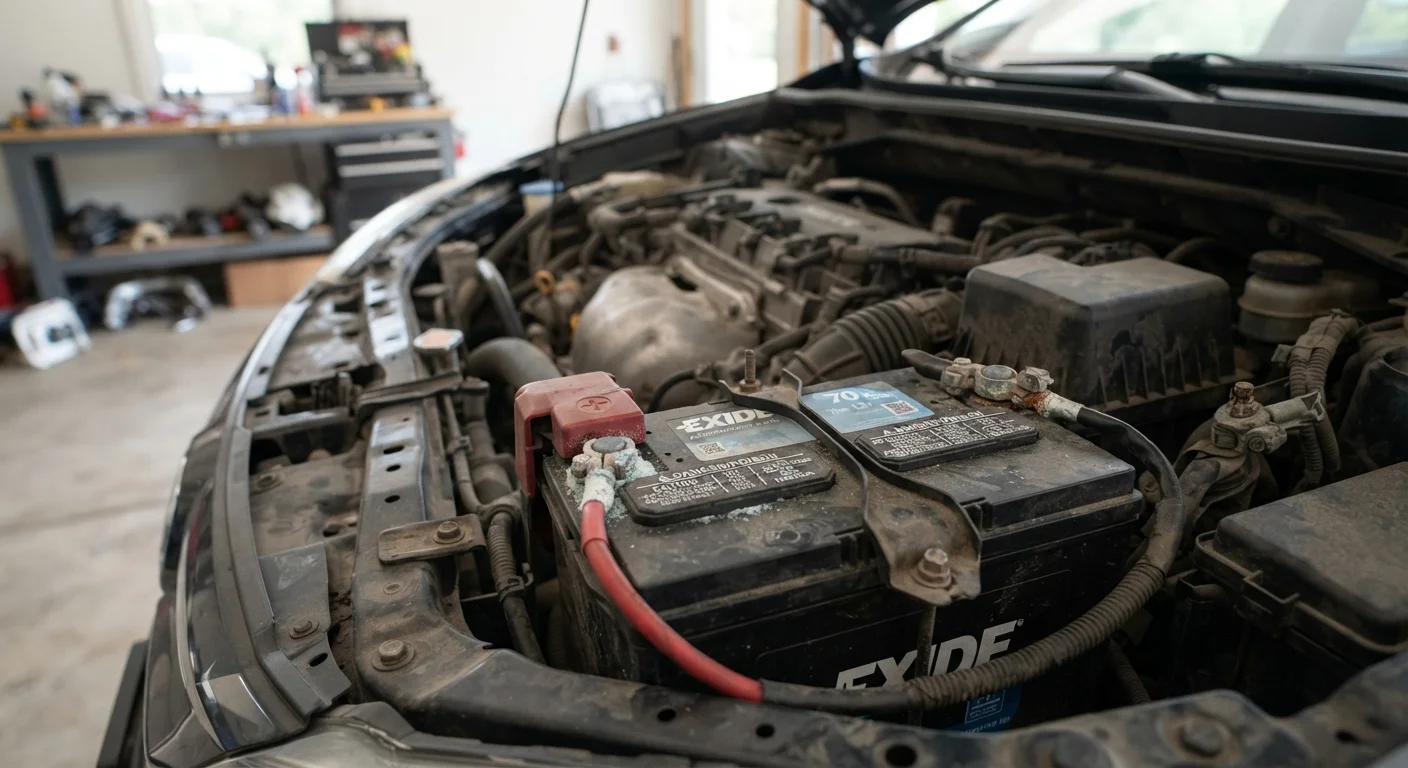
Photo: NemoFinds.com | Search, Explore, Read. editorial
Key Takeaways
- Car batteries typically last three to five years, depending on climate, driving habits, and maintenance.
- Slow engine cranking, dimming lights, and electrical glitches are early signs of battery decline.
- Corrosion on battery terminals can accelerate wear and should be inspected regularly.
- Extreme temperatures - both hot and cold - significantly shorten battery lifespan.
- A battery load test performed by a mechanic is the most reliable way to assess remaining capacity.
Why Battery Warning Signs Matter
A dead battery rarely announces itself without warning. In most cases, a battery sends subtle distress signals for weeks - even months - before it finally gives out. Knowing how to read those signals can save you from being stranded in a parking lot or on the side of the road.
Car batteries are lead-acid units that degrade gradually with each charge and discharge cycle. The chemistry inside breaks down over time, reducing the battery's ability to hold and deliver power. Most conventional batteries last somewhere between three and five years, though actual lifespan varies based on climate, driving patterns, and how the electrical system is managed. Understanding what shortens that window is just as valuable as recognizing when the end is near - much like the capacity loss described in how gadget batteries degrade over time.
Check Battery Age Before You Need To
Warning Signs to Watch For
Slow or labored engine cranking
One of the clearest early signs is a sluggish start - the engine turns over more slowly than usual before catching. This happens because the battery can no longer deliver a strong enough burst of current to the starter motor. Cold mornings can make this especially noticeable, since low temperatures reduce battery output significantly. If cranking feels noticeably slower than it did a year ago, treat it as a prompt to get the battery tested.
A sluggish crank is often the first clue a battery is losing its ability to deliver power.
Dimming headlights or interior lights
Headlights and interior lights that appear noticeably dimmer - especially when the engine is idling - suggest the battery is struggling to maintain adequate voltage. You might also notice lights that brighten when you rev the engine, which points to the battery relying heavily on the alternator to compensate. This symptom often appears before any trouble starting the car.
Lights that dim at idle and brighten when revving suggest the battery can no longer sustain voltage on its own.
Frequent need for jump-starts
Needing a jump-start once after accidentally leaving lights on is a normal occurrence. Needing one repeatedly under ordinary conditions is not. A healthy battery that has been fully recharged should hold its charge reliably. If your car needs a jump more than once in a short period without an obvious cause - like a door left open overnight - the battery's capacity to retain a charge has likely declined past a useful threshold.
Repeated jump-starts without an obvious cause are a reliable signal that battery capacity is failing.
Visible corrosion on battery terminals
A white or blue-gray powdery buildup around the battery terminals is a sign of corrosion caused by hydrogen gas escaping from the battery's electrolyte. Some minor buildup is common over time, but heavy corrosion can interfere with the electrical connection, cause voltage drops, and accelerate battery wear. Corrosion is also a sign the battery may be venting more than normal - which can indicate it is overcharging or nearing the end of its chemical life.
Heavy terminal corrosion isn't just cosmetic - it can disrupt electrical flow and signal deeper battery trouble.
Electrical components behaving erratically
Modern vehicles rely on the battery to stabilize voltage for dozens of electronic systems - from power windows and heated seats to infotainment screens and safety sensors. When a battery weakens, voltage fluctuations can cause these systems to behave unpredictably: windows that move slower than usual, a radio that resets, or a screen that flickers. Erratic electronics without another clear cause are worth investigating at the battery level first.
Unexplained electrical glitches across multiple systems often trace back to an unstable or weakening battery.
The battery is more than three years old
Age alone is a meaningful risk factor. Even a battery that starts the car reliably can be operating on borrowed time once it passes the three-year mark. Batteries in hot climates often decline faster - heat accelerates the internal chemical breakdown that reduces capacity. In cooler regions, batteries may last closer to five years, but cold weather makes a weakened battery fail more suddenly. Having any battery older than three years load-tested annually is a reasonable maintenance practice.
A battery over three years old warrants annual testing, even if it appears to be working normally.
Short Trips Can Accelerate Battery Decline
What to Do When You Spot the Signs
If you notice one or more of the symptoms below, the smartest step is to have your battery professionally tested before it fails completely. Most auto repair shops and many service stations can perform a battery load test - a procedure that checks how well the battery delivers current under demand, rather than just measuring voltage at rest. This gives a much more accurate picture of remaining life than a simple voltage reading.
If your battery is more than three years old and showing any of these signs, replacement is often more cost-effective than waiting for a breakdown. Pairing a battery check with seasonal maintenance is a practical habit - extreme temperatures put significant stress on the battery, which is why a pre-winter or pre-summer inspection makes sense. For a broader checklist, see our guide on seasonal car maintenance.
Finally, remember that a battery warning light on your dashboard isn't always about the battery itself - it can also indicate a problem with the alternator (the component that recharges the battery while the engine runs). Our reference on dashboard warning lights can help you interpret what you're seeing before your next shop visit.
This article is for general informational purposes only. Always consult a qualified mechanic for diagnosis and repair decisions specific to your vehicle.
The content on this site is for informational purposes only and is not a substitute for professional advice. Always consult a qualified professional for guidance specific to your situation.