
Why Your Brakes Are Telling You Something (And How to Listen)

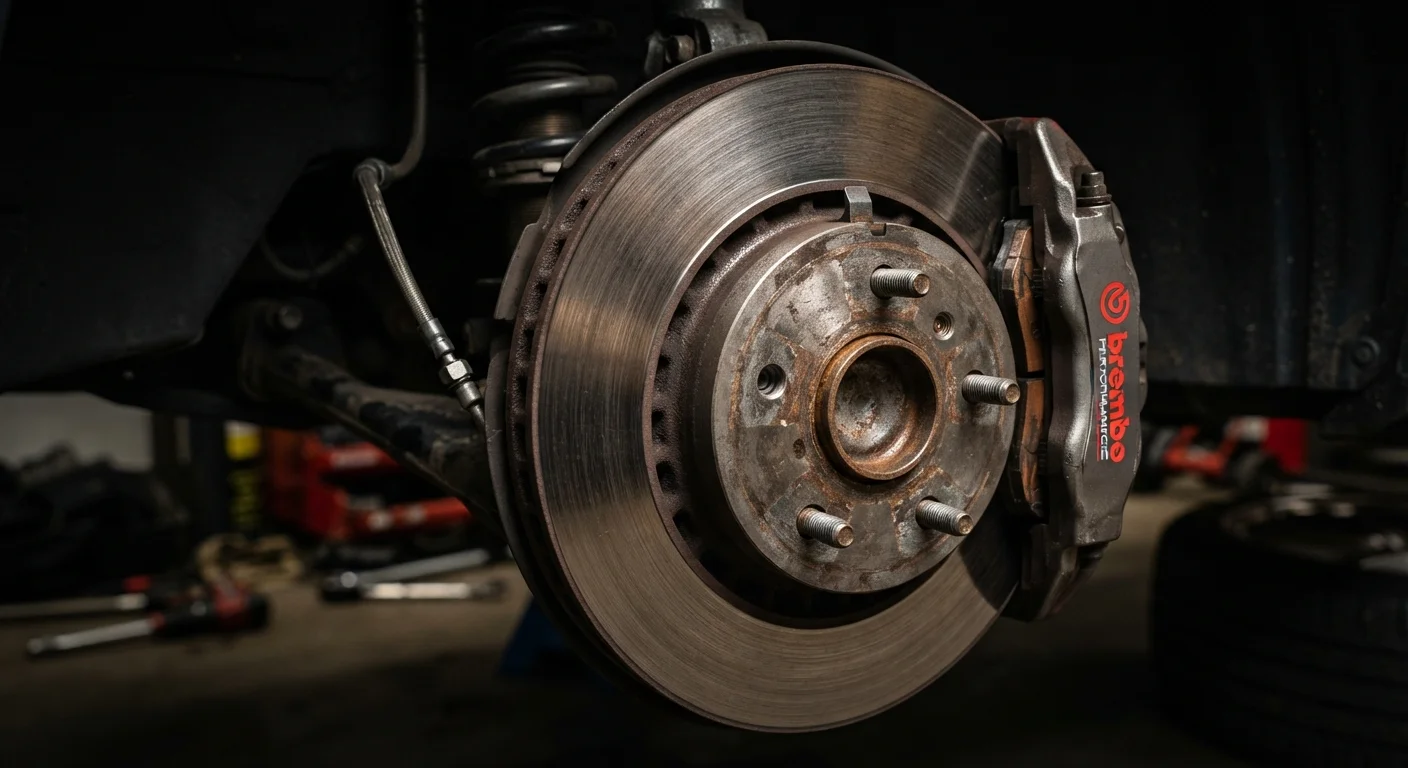
Photo: NemoFinds.com | Search, Explore, Read. editorial
Key Takeaways
- Squealing brakes often signal worn brake pad wear indicators - a built-in alert, not random noise.
- Grinding sounds typically mean metal-on-metal contact, which can damage rotors and requires prompt professional attention.
- A soft or spongy brake pedal may indicate low brake fluid or air in the brake lines.
- Pulling to one side under braking can point to uneven pad wear or a sticking caliper.
- Ignoring brake symptoms rarely saves money - problems caught early are almost always cheaper to fix.
- Some brake checks are visual and straightforward; actual repairs should be handled by a qualified mechanic.
Your Brakes Are Designed to Communicate
Modern brake systems aren't silent by accident. Engineers deliberately build in feedback mechanisms - sounds, sensations, and physical cues - that escalate as the system needs attention. Understanding that language is one of the most practical maintenance skills any driver can develop.
Brakes work through friction: pads press against rotating discs (rotors) to slow the vehicle. Every component in that system wears over time, and each type of wear produces a recognizable symptom. Rather than waiting for a brake warning light to appear, learning to interpret what you hear and feel puts you ahead of the problem. For broader context on when your vehicle expects brake service, your car's maintenance schedule is worth reviewing alongside this guide.
~22%
Crashes involving brake-related factors
A large-scale study by the National Highway Traffic Safety Administration (NHTSA) found that brake-related issues were a contributing factor in approximately 22% of vehicle crashes attributed to vehicle failure.
2-3 mm
Pad thickness that triggers wear indicators
Most brake pad wear indicators are designed to contact the rotor when usable pad material reaches roughly 2-3 mm - giving drivers an audible warning before the pad is fully depleted.
2 years
Typical brake fluid change interval
Many manufacturers recommend replacing brake fluid every two years regardless of mileage, as moisture absorption degrades performance over time - though intervals vary by vehicle; consult your owner's manual.
Common Brake Sounds and What They Mean
Sound is the most common first signal from a troubled braking system. Here's how to decode the most frequent ones:
- High-pitched squealing during normal stops: This is almost always the wear indicator doing its job. A small metal tab built into the brake pad contacts the rotor when the pad wears thin, creating that deliberate squeal. It's not a catastrophic problem yet - but it signals you're near the end of usable pad life.
- Grinding or growling: When squealing goes unaddressed, the pad eventually wears away entirely, leaving metal pressing directly against the rotor. That grinding sound means damage is likely happening in real time. Rotors that become scored or grooved may need replacement rather than simple pad swaps, significantly increasing repair cost.
- Clicking or rattling: Brake hardware - the clips and shims holding pads in place - can loosen with wear or improper installation. A clicking sound on brake application or release often points here.
Use a Quiet Moment to Listen
Pedal Feel and Vehicle Behavior Clues
Beyond sound, the way your brake pedal feels and how your car behaves under braking carry important diagnostic information.
- Soft or spongy pedal: A pedal that feels mushy or travels farther than usual before engaging suggests air in the brake lines or low brake fluid. Brake fluid is hygroscopic - it absorbs moisture over time - which lowers its boiling point and degrades performance. Checking your brake fluid level is a straightforward visual task any driver can do safely.
- Pulsating or vibrating pedal: A pedal that pulses under braking typically indicates warped rotors - a common result of overheating or uneven cooling. The vibration comes from thickness variations in the rotor surface.
- Vehicle pulling to one side: If your car tracks left or right when you brake, suspect uneven pad wear, a sticking caliper, or a brake hose restriction on one side. This symptom also affects your ability to stop in a straight line, making it a safety concern, not just a maintenance note.
When these symptoms appear alongside a dashboard warning light, the situation typically warrants faster action. Our guide on dashboard warning lights explains what the brake system indicator specifically signals.
What You Can Check vs. What Needs a Professional
Some brake awareness tasks are genuinely within reach of most drivers. Others require tools, lifts, and training to do safely.
What you can reasonably do yourself:
- Check the brake fluid reservoir level visually through the translucent plastic reservoir under the hood.
- Look through the wheel spokes to get a rough visual on rotor condition - obvious deep grooves or heavy rust are visible without removing the wheel.
- Note any symptoms (when they occur, under what conditions) to help a mechanic diagnose efficiently.
What should go to a qualified mechanic:
- Measuring pad thickness and rotor wear with precision tools.
- Bleeding the brake system to remove air or old fluid.
- Replacing pads, rotors, calipers, or brake lines.
If you're weighing which maintenance tasks to handle yourself versus outsourcing, DIY maintenance vs. taking your car to a shop walks through how to make that call practically and safely.
Acting Early Is Always the Smarter Choice
The cost difference between addressing brake wear at the squealing stage versus the grinding stage can be substantial. Replacing pads alone is a relatively routine service. Replacing pads and scored or warped rotors - damage that results from running metal-on-metal - adds meaningfully to the bill. And brake failures that affect calipers or lines compound the cost further.
More importantly, brakes are a primary safety system. Unlike many maintenance items where delayed service is merely inconvenient, degraded braking performance has direct consequences for your ability to stop in an emergency. Treat brake symptoms as your vehicle asking a reasonable question - and answer it promptly.
This article is for general informational purposes only. Brake system inspection and repair should be performed by a qualified mechanic. Do not continue driving a vehicle you believe has unsafe braking capability.
Frequently Asked Questions
The content on this site is for informational purposes only and is not a substitute for professional advice. Always consult a qualified professional for guidance specific to your situation.