
What Distracted Driving Actually Covers

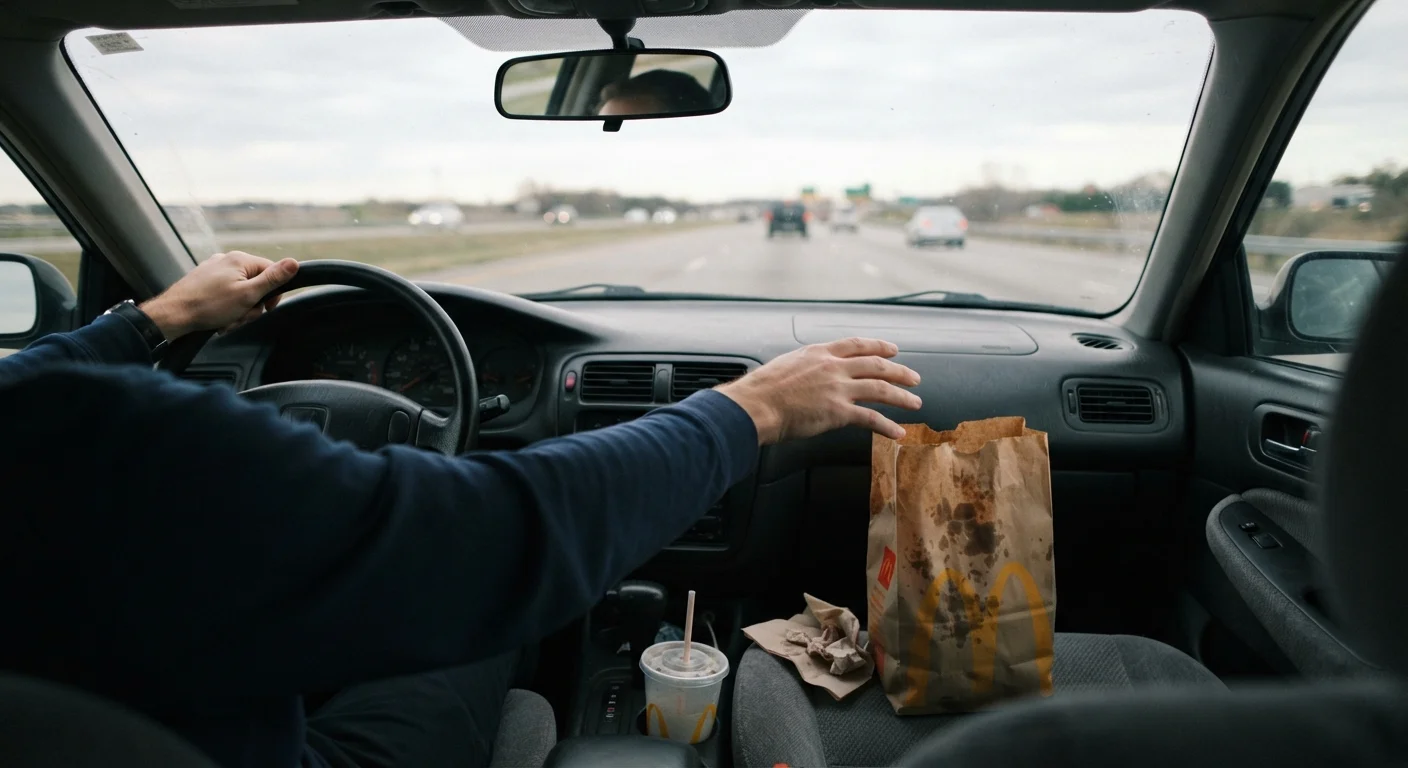
Photo: NemoFinds.com | Search, Explore, Read. editorial
Distracted Driving: More Than Just Your Phone
Most drivers hear "distracted driving" and immediately think of texting. That association is earned — phone use is among the most documented contributors to crash risk. But the full scope of distracted driving is much broader, and many everyday habits fall under its definition without drivers realizing it.
The NHTSA defines distracted driving as any activity that diverts attention away from the primary task of driving. That definition covers three distinct categories of distraction — and understanding all three is the first step toward genuinely safer habits.
| Distraction categories | 3 types: visual, manual, cognitive (NHTSA classification framework) |
| Seconds eyes off road — texting at 55 mph | ~5 seconds = length of a football field (NHTSA distracted driving fact sheet) |
| States with handheld phone bans | Majority of U.S. states (Governors Highway Safety Association) |
| Most dangerous distraction type | Activities combining all 3 types simultaneously (NHTSA and traffic safety research consensus) |
| Daydreaming recognized as factor | Yes — cognitive distraction without device use (Traffic safety research literature) |
For a broader look at how these habits fit into an overall safety approach, see the complete safe driving reference covering everything from road rules to defensive technique.
The Three Types of Distraction
Traffic safety researchers generally organize distractions into three categories:
- Visual distractions — anything that causes your eyes to leave the road. This includes glancing at a navigation screen, checking your mirrors for extended periods, or looking at a roadside billboard.
- Manual distractions — anything that causes one or both hands to leave the steering wheel. Eating, adjusting the radio, or reaching into the back seat all qualify.
- Cognitive distractions — anything that takes your mental focus off driving, even when your eyes are forward and hands are on the wheel. Hands-free phone conversations, emotionally engaging conversations with passengers, or mentally rehearsing a difficult meeting all count.
Smartphone use is especially dangerous because it typically triggers all three types at once — a "triple threat" that dramatically reduces a driver's ability to respond to hazards. But single-type distractions are still significant. Research into hands-free calls shows that cognitive distraction persists even when a driver's hands and eyes appear engaged with driving.
Visual distraction
Any activity that causes a driver's eyes to move away from the road ahead or the immediate traffic environment, even briefly.
Manual distraction
Any activity that causes a driver to remove one or both hands from the steering wheel while the vehicle is in motion.
Cognitive distraction
Any mental activity that draws a driver's focus away from the driving task — even when their eyes are on the road and hands are on the wheel.
Inattention blindness
A phenomenon where a driver looks at but fails to truly "see" hazards because their mental focus is directed elsewhere. Associated with cognitive distraction.
Common Distractions Drivers Underestimate
Beyond smartphones, the following activities frequently distract drivers without being recognized as risky:
- Eating and drinking
- Unwrapping food, managing spills, or biting into a meal requires hands, visual attention, and cognitive bandwidth. Studies have associated eating while driving with notably higher crash involvement risk.
- Navigation and infotainment systems
- Built-in screens and touchscreen controls — even those engineered for in-car use — still pull visual and manual focus away from the road. Entering a destination while moving is particularly hazardous.
- Passengers
- Adult conversations can become cognitive distractions. Young passengers, particularly toddlers, draw eyes and attention away from traffic far more than most drivers acknowledge.
- Grooming
- Applying makeup, fixing hair, or adjusting clothing involves visual and manual distraction simultaneously and often occurs at red lights that then turn green.
- Daydreaming
- Also called "mind wandering," this pure cognitive distraction is harder to self-monitor but is a recognized factor in crashes, particularly on familiar routes where driving feels automatic.
Defensive driving principles are specifically designed to help drivers stay alert to these overlapping hazards in real traffic.
Legal Context and Real-World Stakes
All U.S. states have some form of distracted driving law, though the specifics vary significantly. Most states now prohibit handheld phone use while driving; many also restrict texting specifically, and some have enacted broader bans targeting all handheld device interaction. A smaller number of states have laws addressing other distractions, such as eating behind the wheel.
Beyond legal consequences — which can include fines, license points, and increased insurance premiums — the physical stakes are substantial. NHTSA data consistently places distraction as a contributing factor in thousands of annual traffic fatalities in the United States.
Fatigue compounds distraction risk. Tired drivers are less able to catch and correct lapses in attention. See how driver fatigue impairs reaction time in ways that parallel the effects of distraction.
New drivers are particularly vulnerable. First-time driver guidance specifically addresses distraction as a foundational safety habit to build early — because habits formed in novice stages tend to persist.
This article is for general informational and educational purposes only. Always follow applicable local and state traffic laws regarding distracted driving.
The content on this site is for informational purposes only and is not a substitute for professional advice. Always consult a qualified professional for guidance specific to your situation.