
Defensive Driving: What It Actually Means Behind the Wheel

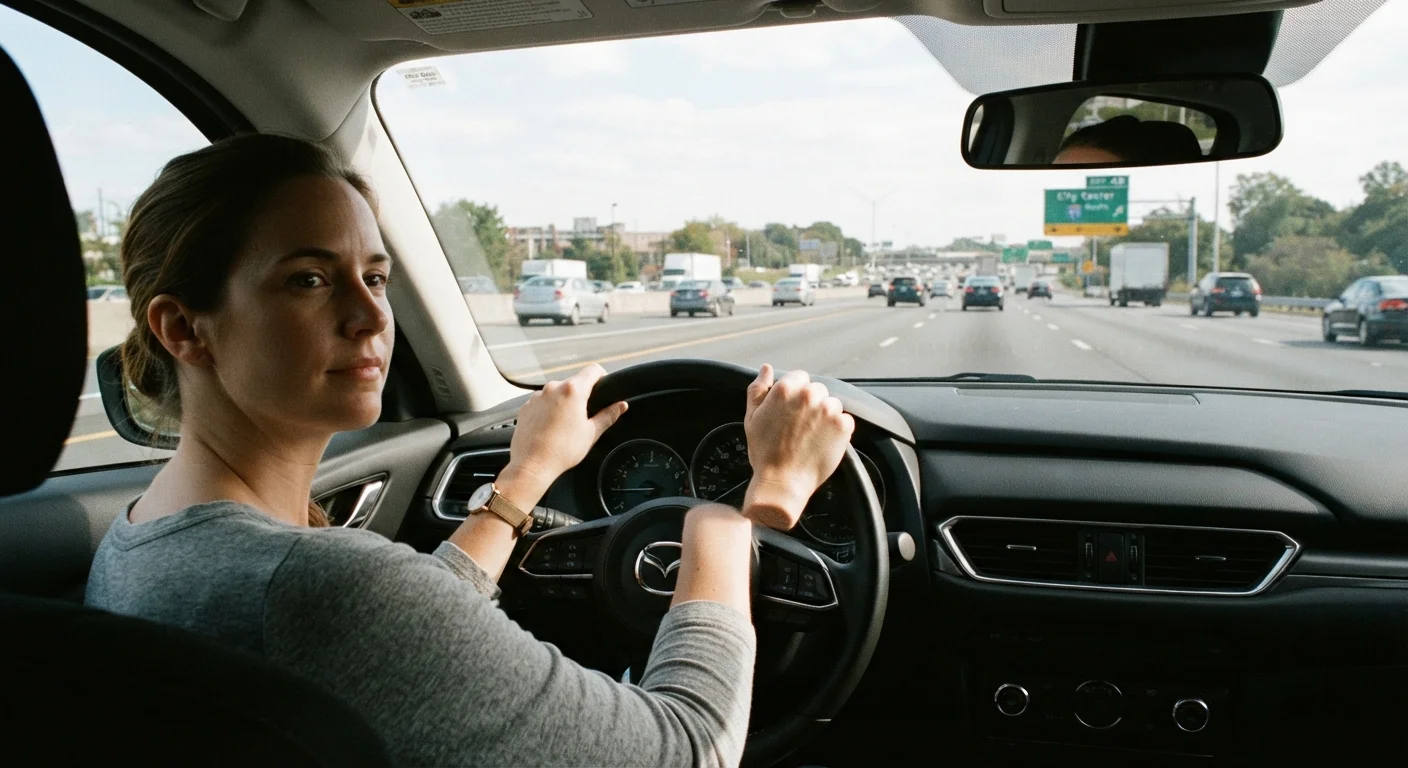
Photo: NemoFinds.com | Search, Explore, Read. editorial
Key Takeaways
- Defensive driving means anticipating hazards, not just reacting to them.
- Maintaining safe following distance is one of the most impactful defensive habits.
- Scanning intersections and blind spots before entering reduces collision risk significantly.
- Distraction, fatigue, and overconfidence are the habits that erode defensive driving over time.
- Defensive driving benefits drivers of all experience levels, not just beginners.
Beyond Following the Rules
Most drivers learn traffic laws and assume that following them is enough to stay safe. Defensive driving goes a step further. It's the practice of operating a vehicle with constant awareness of potential hazards — including the behavior of other drivers, road conditions, and your own mental state behind the wheel.
The distinction matters. A driver who simply obeys the speed limit is compliant. A driver who also scans intersections before entering, checks mirrors every five to eight seconds, and adjusts speed when visibility drops is defensive. Compliance reacts to rules. Defensive driving anticipates reality.
This approach is especially relevant given that a large proportion of crashes involve driver error rather than mechanical failure or unavoidable circumstances. Understanding defensive principles puts more control back in your hands.
“The goal of defensive driving is to reduce risk by making safe, well-informed decisions — anticipating problems before they develop, rather than responding to them after they've already put you in danger.”
— National Safety Council, Nonprofit organization promoting safety awareness and defensive driving education in the US
The Core Habits That Define Defensive Driving
Defensive driving isn't a single technique — it's a cluster of habits applied together. The most foundational include:
- Scanning ahead: Look 10–15 seconds down the road, not just the car directly in front of you. This gives you time to identify slowing traffic, merging vehicles, or road debris well before a response is required.
- Maintaining following distance: Safe following distance is a buffer that buys you reaction time. Closing that gap is one of the leading causes of rear-end collisions.
- Managing your space cushion: Keep clear space on multiple sides of your vehicle when possible. Avoid lingering in other drivers' blind spots on highways.
- Anticipating intersections: Treat every intersection as a potential conflict point — even on a green light. Check left, right, and left again before proceeding.
- Adjusting for conditions: Speed limits reflect ideal conditions. Rain, fog, heavy traffic, or glare all call for reduced speed and increased spacing.
Use the SIPDE Method as a Mental Checklist
The Mental Side: Awareness and Attitude
Technique matters, but so does mindset. Defensive driving requires sustained attention — which means managing common attention-killers. Distracted driving includes far more than phones: eating, adjusting navigation, or even an emotionally charged conversation with a passenger can reduce situational awareness significantly.
Fatigue is equally dangerous. A tired driver's reaction time and decision-making ability can degrade in ways that mirror impairment. If you're drowsy, pulling over is the defensive choice.
Overconfidence is a subtler threat. Experienced drivers often drop defensive habits because familiar routes and years of incident-free driving create a false sense of mastery. Defensive driving requires treating each trip as its own risk environment.
94%
Crashes involving human error
According to NHTSA research, approximately 94% of serious crashes can be tied to driver-related factors such as distraction, impairment, or poor decision-making.
3 sec
Minimum recommended following gap
Traffic safety organizations including the NSC recommend a minimum three-second following distance under normal conditions, extended in poor weather or low visibility.
1 in 5
Crashes involve distraction
The NHTSA has reported that distraction is a contributing factor in roughly one in five injury crashes reported to police across the US.
Who Benefits — and How to Build the Habit
Defensive driving isn't a beginner skill. New drivers face specific risk patterns — poor scanning, late braking, overestimating their own skill — but seasoned drivers face their own vulnerabilities through complacency. The principles apply regardless of how long you've held a license.
Building the habit starts with small, consistent actions: checking mirrors before lane changes rather than assuming the lane is clear; announcing your presence with headlights in low-visibility situations; giving yourself extra time so you're not rushing. A structured approach to road safety can help drivers at any stage formalize these practices.
Formal defensive driving courses — available through national organizations and many state motor vehicle departments — offer structured training and, in some cases, may qualify you for an insurance discount. Check with your insurer and your state's DMV for details on approved programs.
For a comprehensive look at how defensive driving connects to broader road safety, see our complete US road safety reference.
Frequently Asked Questions
The content on this site is for informational purposes only and is not a substitute for professional advice. Always consult a qualified professional for guidance specific to your situation.