Understanding Shrinkflation: When the Package Shrinks but the Price Doesn't

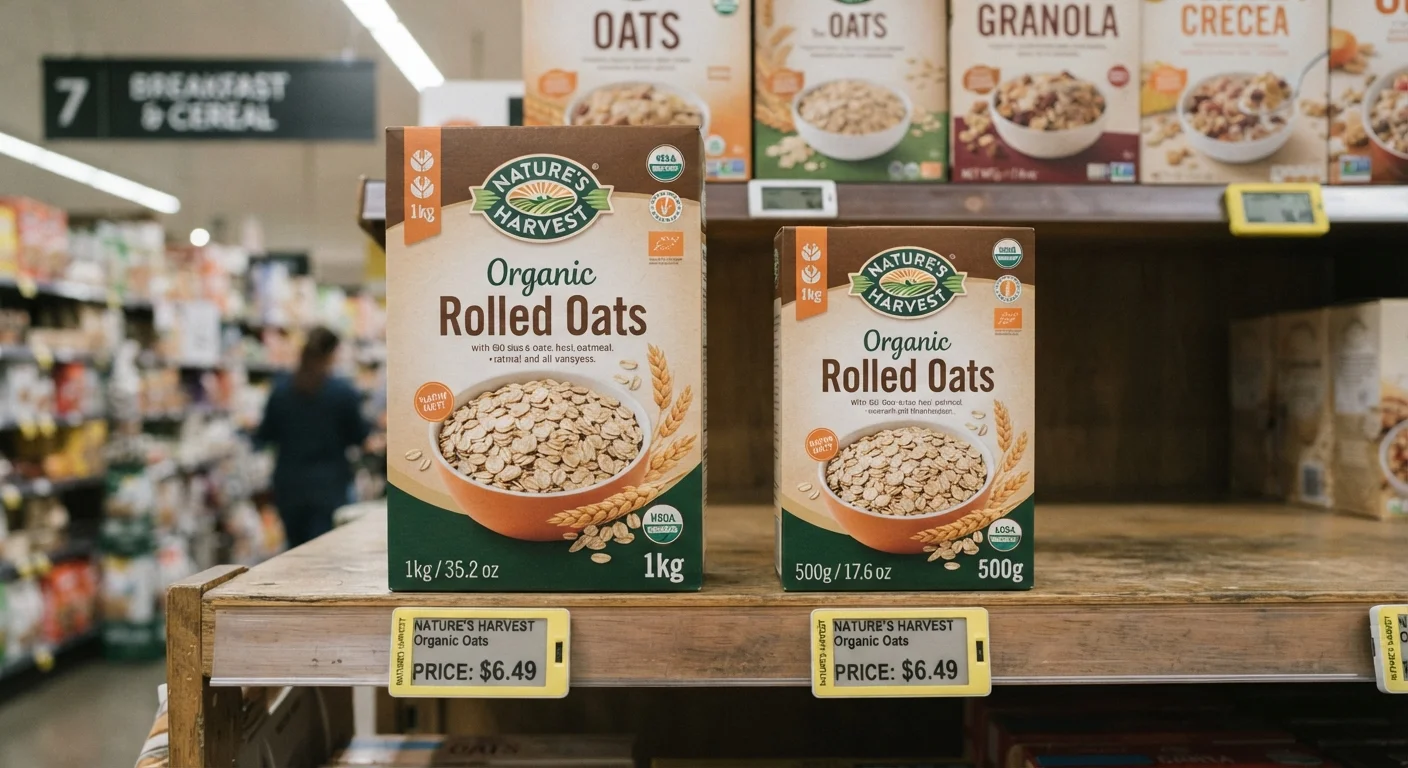
Photo: NemoFinds.com | Search, Explore, Read. editorial
Key Takeaways
- Shrinkflation reduces product quantity while keeping the retail price the same or similar.
- Packaging is often redesigned subtly so the reduction is harder to spot at a glance.
- Comparing unit prices — cost per ounce, count, or measure — is the most reliable defense.
- Common categories affected include snack foods, paper products, beverages, and personal care items.
- Buying in bulk doesn't automatically protect you if the bulk item has also been reduced.
How Shrinkflation Works in Practice
Walk down any grocery aisle and you're likely surrounded by products that contain slightly less than they used to. The price hasn't budged, the packaging looks familiar, and nothing on the front of the box signals a change. That's shrinkflation working exactly as intended.
Manufacturers facing rising input costs — raw materials, labor, transportation — have two primary options: raise the sticker price or quietly reduce the quantity. A visible price increase on a shelf tag is hard to miss. A reduction from 16 ounces to 14.5 ounces rarely registers. The math, however, is identical: you're paying more per unit of product than you were before.
Redesigned packaging often accompanies a quantity reduction. A bag might be slightly thinner, a bottle a touch shorter, or a roll of paper towels marginally narrower. These changes are calibrated to stay below the threshold where most shoppers notice. The net weight or count — printed in small type as required by law — tells the real story.
~10%
Typical quantity reduction in documented shrinkflation cases
Consumer advocacy researchers and investigative journalists have found reductions commonly range from 5% to 15% per product change, often in a single product revision.
3 in 4
Shoppers unaware of recent quantity reductions
Surveys by consumer research organizations have found the majority of shoppers do not notice when a product's net weight has been reduced between purchases.
Spotting Shrinkflation at the Shelf
The most effective countermeasure is also the simplest: stop comparing package prices and start comparing unit prices. The unit price on the shelf tag — expressed as cost per ounce, per count, or per sheet — neutralizes shrinkflation's disguise entirely. If a product's unit price has risen from one shopping trip to the next, something changed, even if the total price didn't.
Most major US grocery retailers are required by state or local regulation to display unit pricing on shelf labels. Look for the smaller figure, typically in the upper or lower corner of the price tag. Once you're in the habit of reading it, cross-package comparisons become much faster and more accurate.
Make Unit Price Your Default Comparison
It's also worth checking the net weight printed on the label itself, not just the front-of-pack imagery. Front panels are marketing real estate. The back or bottom of the package, where mandatory label information lives, is where the actual quantity is disclosed.
Common Shrinkflation Categories and What to Watch
Shrinkflation tends to cluster in categories where quantity is ambiguous to the eye. Snack foods, breakfast cereals, canned goods, paper products, and personal care items show up most frequently in consumer and media reporting on the phenomenon. A bag of chips where "slack fill" — air space in the bag — is already expected makes a small quantity reduction especially easy to obscure.
Paper products like paper towels and toilet paper present a different version of the same problem: manufacturers reduce sheet count, shrink sheet dimensions, or reduce ply thickness. Any one of those changes affects value without touching the price.
Beverages are another area to watch. Multipack counts, individual bottle sizes, and drink concentrations can all shift. If a juice you buy regularly seems to run out faster than it used to, that's worth investigating on the label.
This dynamic intersects directly with bulk purchasing decisions. Buying in bulk generally offers better unit pricing, but only if you verify the unit price of the large-format item hasn't also been quietly adjusted. Assumptions about bulk value can go stale quickly when product formulations change.
Building Habits That Keep You Ahead of It
Shrinkflation is a structural feature of consumer markets during periods of cost pressure, not a temporary glitch. Building a few durable habits is more useful than trying to track each individual product change.
First, anchor your shopping comparisons to unit price rather than total price — consistently. Second, treat package redesigns as a prompt to recheck the net weight, not just an aesthetic update. Third, keep a loose mental benchmark for items you buy regularly; when something seems to run out faster than expected, check the label before assuming you used more.
Shrinkflation is one of several ways the face-value price of a product can mislead. Common shopping myths often reinforce the habit of judging value by total price rather than price per unit — and that's exactly the gap that product downsizing exploits. For shoppers managing a tight budget, consistent unit-price habits can make a meaningful difference over time, even when individual product changes seem small.
“Consumers have a hard time detecting shrinkflation because they anchor on the price, not the quantity. Once you train yourself to think in unit prices, the strategy stops working on you.”
— Edgar Dworsky, Consumer advocate and founder of ConsumerWorld.org, widely cited expert on product downsizing
Frequently Asked Questions
The content on this site is for informational purposes only and is not a substitute for professional advice. Always consult a qualified professional for guidance specific to your situation.