
Actual Cash Value vs. Replacement Cost: Which Payout Method Covers More?

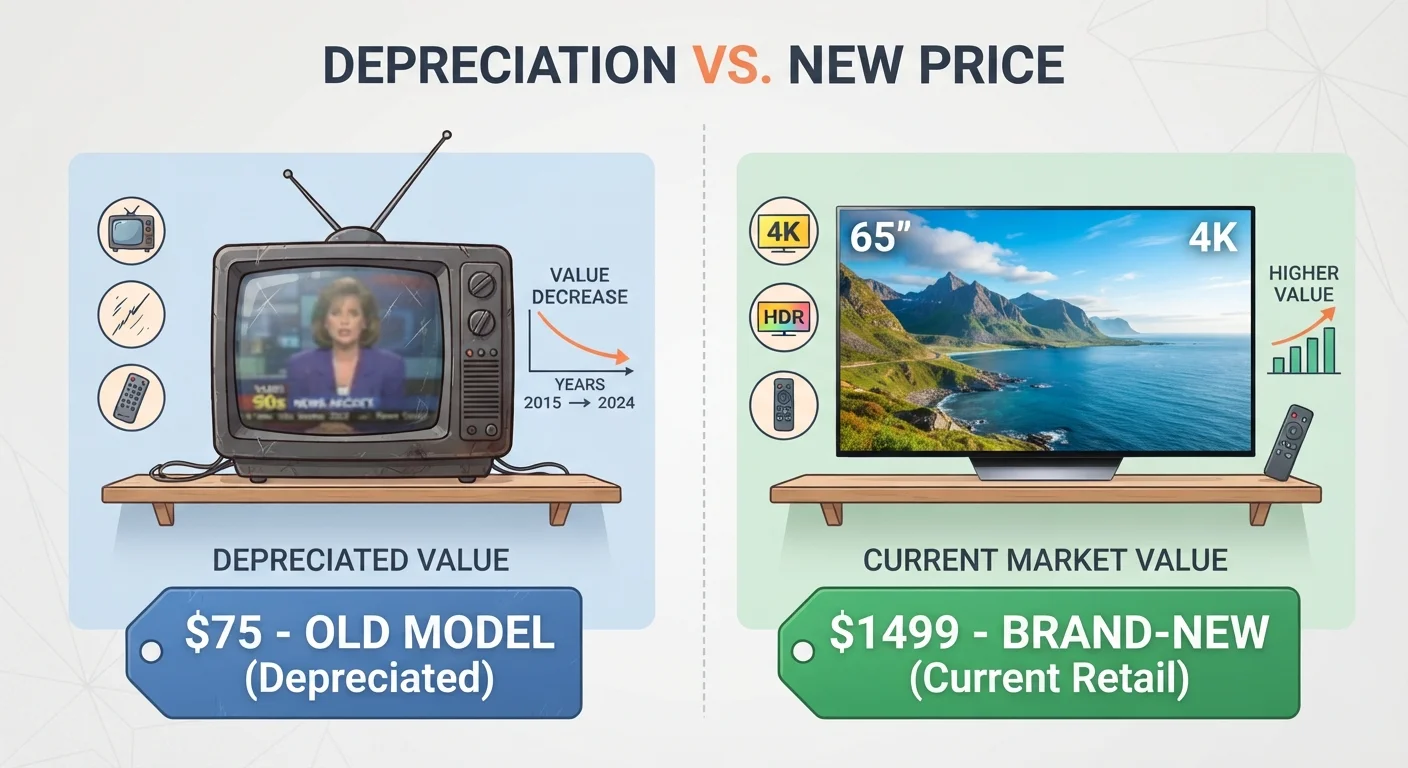
Photo: NemoFinds.com | Search, Explore, Read. editorial
Key Takeaways
- ACV pays out what your property was worth at the time of loss, after subtracting depreciation.
- Replacement cost pays what it actually costs to repair or replace the item with a comparable new one.
- RCV policies typically carry higher premiums than ACV policies for the same coverage limits.
- Depreciation can significantly reduce an ACV payout, sometimes leaving large out-of-pocket gaps.
- Your policy documents will specify which method applies — always confirm before a loss occurs.
- Some policies offer extended or guaranteed replacement cost endorsements for additional protection.
What These Two Terms Actually Mean
When you file a property or vehicle claim, your insurer doesn't simply hand over whatever amount you ask for. The payout is calculated using one of two methods spelled out in your policy: Actual Cash Value (ACV) or Replacement Cost Value (RCV). Understanding the difference is one of the most practical things a policyholder can do — because the gap between them can run into thousands of dollars.
Actual Cash Value is essentially what your property was worth on the day it was damaged or destroyed. Insurers calculate it by taking the replacement cost of a similar item and subtracting depreciation — the reduction in value caused by age, wear, and obsolescence. A five-year-old laptop, a ten-year-old roof, a three-year-old sofa: all of these lose value over time, and ACV reflects that loss.
Replacement Cost Value, by contrast, pays what it actually costs to repair the damage or purchase a comparable new item at today's prices — without deducting for depreciation. If your roof is destroyed in a hailstorm, RCV covers a new roof of similar materials and quality, regardless of how old the original was.
This distinction matters most when you file a claim. It's worth checking your policy documents now — before a loss — so there are no surprises. For context on how coverage types interact, see our overview of liability-only vs. full coverage auto insurance.
A Side-by-Side Look at How Each Method Works
Consider a simple example: a storm damages your ten-year-old television set, which originally cost $800. A comparable new model today costs $700.
- Under ACV: The insurer estimates the TV depreciated by 60% over ten years. Your payout is roughly $280 — leaving you $420 short of buying a new one.
- Under RCV: The insurer pays $700 — the actual cost of a comparable replacement — minus your deductible.
The same logic applies to your home's structure and personal belongings. Our article on dwelling coverage vs. personal property coverage explains how insurers treat these two categories separately, which becomes even more important when you factor in your payout method.
| Criterion | Actual Cash Value (ACV) | Replacement Cost Value (RCV) |
|---|---|---|
| How payout is calculated | Replacement cost minus depreciation | Full cost to repair or replace at today's prices |
| Impact of property age | Older items = lower payout | Age does not reduce payout |
| Typical premium cost | Lower premiums | Higher premiums |
| Out-of-pocket gap risk | Higher — especially on older items | Lower — payout tracks replacement cost |
| Common use in auto insurance | Standard default method | Available via endorsement (newer vehicles) |
| Common use in home insurance | Available, often lower-tier option | Recommended for dwelling and contents |
This article provides general insurance education and is not personalized advice. Coverage terms, payout calculations, and eligibility vary by insurer and state. Always read your policy documents and consult a licensed insurance professional for guidance specific to your situation.
Premium Costs and the Trade-Off You're Making
RCV policies generally cost more than ACV policies — sometimes meaningfully so. That's because the insurer takes on more financial exposure: they're committing to pay today's prices regardless of how old your property is. Premiums reflect that added risk.
~20%
Typical ACV discount vs. RCV premium
Industry sources generally indicate ACV policies can cost roughly 10–20% less than equivalent RCV policies, though the exact difference varies by insurer, property type, and location.
50–80%
Depreciation on a 10-year-old roof (typical range)
Roofing materials depreciate substantially over time; under ACV coverage, a decade-old roof claim may yield a payout well below current replacement costs.
Whether that trade-off makes sense depends on factors like the age of your property, your emergency savings, and how much financial disruption a large out-of-pocket expense would cause you. For most homeowners with older homes or significant personal property, the premium difference for RCV coverage is often smaller than the depreciation gap they'd face after a major loss.
For vehicles specifically, ACV is standard in most auto policies. Newer vehicles sometimes qualify for new car replacement endorsements or gap coverage — options worth asking your insurer about if you're financing or leasing. Our piece on collision vs. comprehensive auto coverage covers how those policy types interact with your payout method.
How to Check What Your Policy Actually Uses
Don't assume — verify. Look for the following in your policy documents:
- Declarations page: This summary page often states whether your dwelling, personal property, or vehicle is insured on an ACV or RCV basis.
- Policy definitions section: Terms like "loss settlement," "valuation," or "basis of claims payment" will clarify the method.
- Endorsements: Some policies default to ACV but allow you to add an RCV endorsement for an additional premium. Check whether your policy has any riders or endorsements attached.
Extended and Guaranteed Replacement Cost
If the language is unclear, call your insurer or agent and ask directly: "Is my property insured on an actual cash value or replacement cost basis?" Getting a written confirmation is wise. Making an informed choice now costs nothing; discovering the wrong method after a loss is far more expensive.
The content on this site is for informational purposes only and is not a substitute for professional advice. Always consult a qualified professional for guidance specific to your situation.