
Building a Pet First-Aid Kit Before You Need One

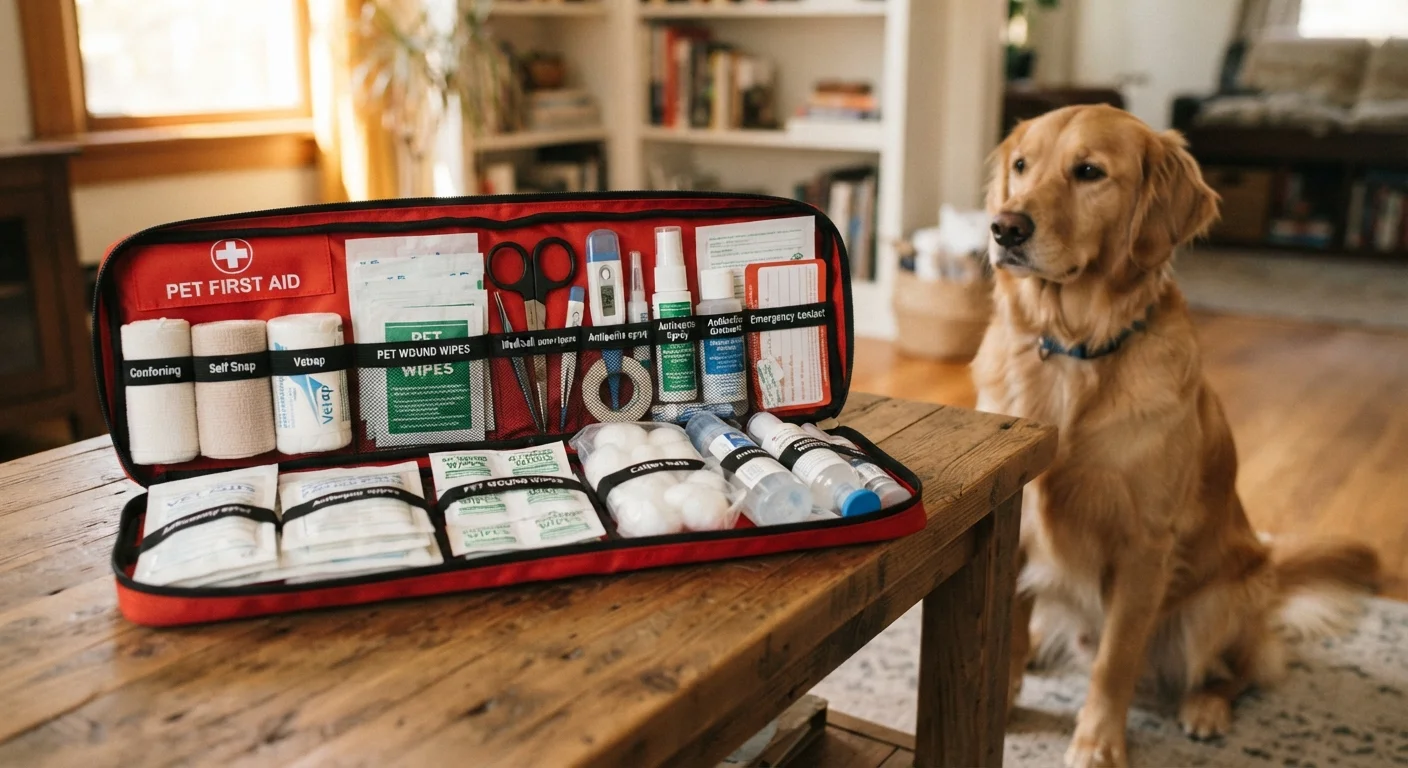
Photo: NemoFinds.com | Search, Explore, Read. editorial
Key Takeaways
- A pet first-aid kit should be assembled before an emergency, not during one.
- Supplies must be species-appropriate — some human medications are toxic to pets.
- Your vet's contact information and an emergency clinic number belong in the kit.
- First aid stabilizes a pet; it does not replace professional veterinary care.
- Review and restock your kit every six months to keep supplies current and unexpired.
Why Every Pet Owner Needs a First-Aid Kit Ready
Accidents rarely announce themselves. A dog steps on broken glass during a hike. A cat bites through a cord. A small pet escapes and returns with a wound of unknown origin. In those first critical minutes, having the right supplies within reach — and knowing how to use them — can meaningfully reduce pain and prevent a minor injury from becoming a serious one.
A well-built pet first-aid kit is one part of a broader approach to confident, consistent pet care. Paired with knowing your pet's normal baselines and recognizing when symptoms demand urgent attention, it gives you a practical foundation for handling the unexpected calmly.
This checklist walks through every item you should have on hand, organized into logical groups so assembly is straightforward. Keep the kit in a clearly labeled, accessible location — and make sure everyone in your household knows where it is.
First Aid Is Not a Substitute for Veterinary Care
What to Put in Your Pet First-Aid Kit
Gather your supplies into a sturdy, waterproof container. A compartmentalized case works well because it keeps items visible and prevents digging. Label the outside clearly. If you have multiple pets of different species, note any species-specific items inside the lid.
Emergency Contact Information
Wound Care Supplies
Assessment Tools
Restraint and Handling
Pet-Specific Records and Medications
Transport and Comfort
Waterproof Compartmentalized Case
Keeps all supplies dry, organized, and visible so nothing is missed under pressure.
Pet-Calibrated Thermometer
Measures your pet's temperature accurately — a key indicator of fever, shock, or hypothermia.
Self-Adhesive Bandage Wrap
Secures wound dressings without sticking to fur or requiring tape on skin.
Sterile Saline Solution
Flushes dirt and debris from wounds to reduce infection risk before veterinary care.
Properly Sized Muzzle
Protects both you and your pet during painful or stressful handling without restricting breathing.
Penlight or Small Flashlight
Allows you to examine the mouth, ears, and eyes for foreign objects or visible injury.
Disposable Exam Gloves
Reduces contamination of wounds and protects you when handling bodily fluids.
A few items on this list require a brief orientation before you need them in a real situation. Practice wrapping a bandage on a calm pet before an emergency, so the motion is familiar. Ask your veterinarian to demonstrate how to take your pet's temperature and what normal ranges look like for your specific animal. For guidance on handling your pet safely during at-home care, our overview of common at-home care errors is a useful companion read.
Never Use Human Medications Without Vet Approval
Keeping Your Kit Current and Ready to Use
Building the kit is only step one. Set a recurring reminder every six months to audit your supplies. Check expiration dates on antiseptics, medications, and saline. Replace anything that's been used, degraded, or expired. If your pet's health profile changes — new medications, a diagnosed condition, a change in life stage — update the kit to reflect that.
Store one kit at home and consider a scaled-down travel version for road trips, hikes, or boarding stays. If you're also working through the broader project of making your living space safer for your pet, pet-proofing your home addresses the hazards that most frequently cause the kinds of injuries a first-aid kit is designed to address.
Finally, keep your kit's emergency contacts current. Your regular veterinarian's number, the nearest 24-hour emergency animal hospital, and the ASPCA Animal Poison Control Center number should all be written on a card inside the kit — not just saved in your phone, which may be unavailable or dead in a real emergency.
This article is for general informational and educational purposes only and is not a substitute for professional veterinary advice, diagnosis, or treatment. Always consult your veterinarian for guidance specific to your pet's health and situation.
The content on this site is for informational purposes only and is not a substitute for professional advice. Always consult a qualified professional for guidance specific to your situation.