
Signals That a Routine Vet Visit Has Become an Urgent One

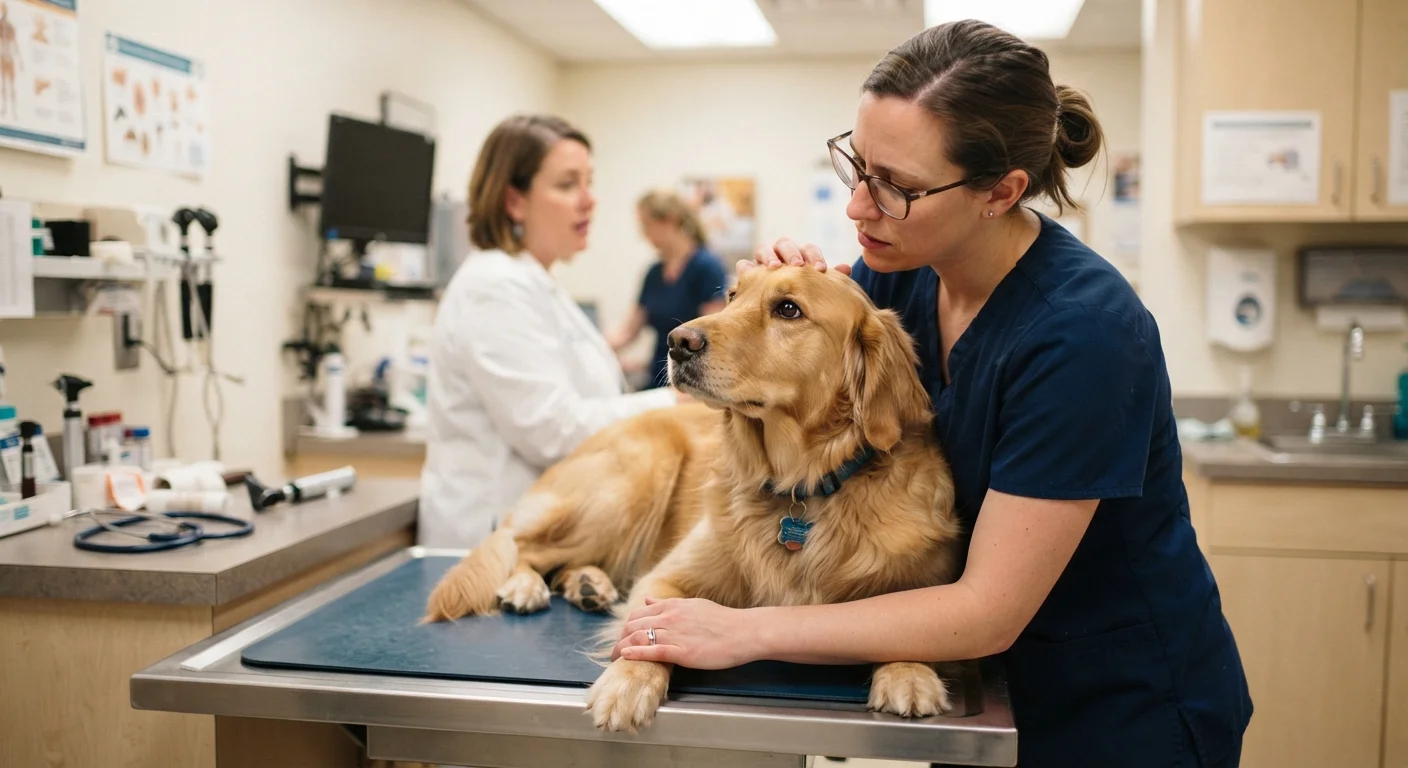
Photo: NemoFinds.com | Search, Explore, Read. editorial
Why the Line Between Routine and Urgent Matters
Most pet owners schedule wellness appointments with confidence — a yearly checkup, a vaccine booster, a weight check. But symptoms don't always wait for a convenient timeslot. Knowing which changes in your animal's behavior or body demand same-day attention is one of the most genuinely protective skills you can develop as a pet owner.
The challenge is that animals instinctively mask discomfort. By the time a cat or dog shows obvious signs of distress, the underlying problem may have been building for hours or even days. Part of responsible daily observation is learning your individual pet's baseline — what's normal for them — so you can detect meaningful deviations early.
| Most common feline emergency | Urinary obstruction (blocked bladder) (American Veterinary Medical Association guidance) |
| Common large-dog emergency | Gastric dilatation-volvulus (bloat) (Veterinary Emergency and Critical Care Society) |
| Response window for toxin ingestion | Call immediately — within minutes when possible (ASPCA Animal Poison Control guidance) |
| Seizure duration requiring emergency care | Any seizure lasting more than 2–3 minutes (General veterinary neurology guidelines) |
| First step for any urgent symptom | Call your vet or an emergency clinic before attempting home treatment |
Signs That Require Same-Day or Emergency Care
The following symptoms should prompt a call to your veterinarian the same day they appear, or an immediate visit to an emergency clinic if your regular vet is unavailable:
- Difficulty breathing — labored, rapid, or noisy breathing, open-mouth breathing in cats, or visible effort with each breath
- Collapse or sudden weakness — inability to stand, severe stumbling, or loss of coordination
- Distended or rigid abdomen — especially in large-breed dogs, which may indicate bloat (gastric dilatation-volvulus), a life-threatening emergency
- Suspected poisoning or toxin ingestion — known or suspected contact with household chemicals, certain plants, medications, or foods toxic to animals
- Uncontrolled bleeding — bleeding that doesn't slow within a few minutes of steady pressure
- Seizures — especially any first-ever seizure, multiple seizures in quick succession, or one lasting more than two to three minutes
- Straining to urinate with little or no output — in cats particularly, this can signal a urinary blockage that becomes fatal within hours
- Eye injury or sudden vision changes — clouding, squinting, or trauma to the eye require prompt evaluation to prevent permanent damage
- Repeated vomiting or retching without producing anything — especially if accompanied by restlessness or a swollen belly
Gastric dilatation-volvulus (GDV)
A life-threatening condition in which the stomach fills with gas and twists on itself. Most common in large, deep-chested dog breeds and requires emergency surgical intervention.
Urinary obstruction
A blockage preventing urine from leaving the bladder, most frequently seen in male cats. Without prompt treatment, it can cause kidney failure and death within 24–48 hours.
Triage
The process of assessing the severity of a patient's condition to determine the urgency and priority of care. In veterinary settings, triage often begins with a phone call describing symptoms.
Baseline behavior
The normal patterns of eating, drinking, activity, and temperament specific to an individual animal. Knowing your pet's baseline helps you recognize when something is genuinely abnormal.
Symptoms That Warrant a Same-Week Appointment
Not every change is a five-alarm emergency, but some warrant a scheduled visit within a few days rather than a wait until the next routine checkup:
- Appetite changes lasting more than 24–48 hours — consistent refusal to eat is rarely normal
- Excessive thirst or urination — a gradual increase can signal metabolic conditions such as diabetes or kidney disease
- Lumps or swellings that appear suddenly or seem to be growing
- Persistent limping — especially if weight-bearing is affected
- Behavioral shifts — hiding, sudden aggression, or unusual lethargy in an otherwise social animal
- Diarrhea or vomiting that occurs more than once or twice, or contains blood
When you're unsure, call your veterinary clinic and describe what you're seeing. Triage advice from a veterinary professional is far more reliable than waiting to see if a symptom resolves on its own. You can also review common at-home care mistakes that sometimes contribute to manageable conditions becoming serious ones.
When in Doubt, Call First
Building the Habit of Early Detection
Consistent routines are your best early-warning system. Daily observation — watching how your pet eats, moves, drinks, and interacts — lets you catch subtle shifts before they escalate. Even regular grooming sessions give you an opportunity to feel for new lumps, skin changes, or signs of discomfort. See at-home grooming fundamentals for how to make that time more productive.
Staying current on core vaccinations and preventive care schedules also reduces your pet's overall disease risk, which means fewer emergencies to begin with. When life gets unpredictable, maintaining even a simplified version of your pet's routine matters — see strategies for keeping pet care consistent during demanding periods.
This article provides general pet health information for educational purposes only and is not a substitute for professional veterinary advice, diagnosis, or treatment. Always consult a licensed veterinarian regarding any health concerns about your specific animal.
The content on this site is for informational purposes only and is not a substitute for professional advice. Always consult a qualified professional for guidance specific to your situation.