
Fresh Water, Every Time: Why Hydration Is Pet Care's Most Overlooked Essential

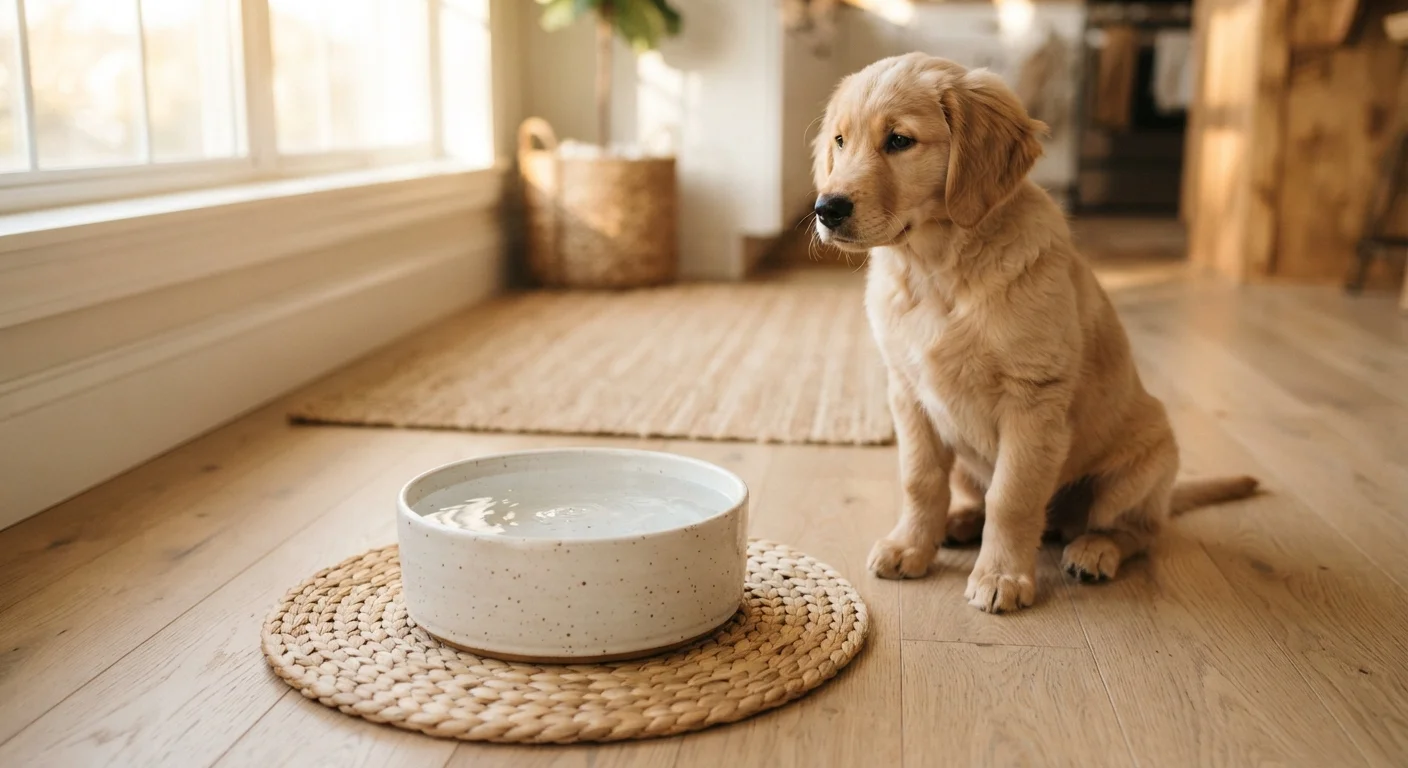
Photo: NemoFinds.com | Search, Explore, Read. editorial
Key Takeaways
- Water is the single most critical nutrient for pets — essential for nearly every bodily function.
- Many pets drink less than they need, and owners often don't notice until health problems emerge.
- Bowl placement, cleanliness, and water freshness all meaningfully affect how much a pet drinks.
- Cats on dry-food diets face a higher risk of chronic low-level dehydration than cats on wet food.
- Consult a veterinarian if you notice sudden changes in your pet's drinking habits.
The Nutrient That Gets the Least Attention
Ask most pet owners what's in their animal's bowl tonight, and they'll describe the food in detail. Ask about the water, and you'll often get a shrug. Yet water is the most critical nutrient in any animal's body — more immediately essential than protein, fat, or any vitamin. It regulates body temperature, transports nutrients, flushes waste through the kidneys, lubricates joints, and supports virtually every cellular process.
The gap between what pets need and what they actually drink is surprisingly wide. This shortfall often goes unrecognized because animals don't show obvious signs of mild dehydration the way they would with a missed meal. Understanding this gap is a foundational part of responsible daily pet ownership.
70–80%
Moisture content of typical wet pet food
Compared to roughly 10% moisture in dry kibble, wet food provides a substantial passive source of daily fluid intake for pets.
~1 oz/lb
Approximate daily water need for dogs
General veterinary guidelines suggest dogs need approximately one ounce of water per pound of body weight each day, varying with diet and activity.
Top cause
Kidney disease in cats by prevalence
Chronic kidney disease is one of the most common serious diagnoses in older cats, with chronic low water intake recognized as a contributing risk factor.
Why Pets Drink Less Than They Should
The reasons pets under-drink are surprisingly mundane — and fixable. Stale water is a major deterrent. Pets, especially cats, have a strong instinct to avoid still, potentially contaminated water. A bowl that hasn't been refreshed since morning may smell of dissolved minerals or organic residue that is imperceptible to humans but off-putting to a dog or cat with a far more sensitive nose.
Bowl placement matters too. Cats in particular are cautious animals; many dislike drinking near their food bowl, which in nature can signal contamination from prey. Plastic bowls can absorb odors and develop a biofilm that discourages drinking. Bowls that are too narrow press a cat's sensitive whiskers against the sides — a discomfort known as whisker fatigue — causing them to avoid drinking altogether.
Diet plays a large role as well. Pets eating exclusively dry kibble receive almost no moisture from their food and must drink enough to compensate. Cats, whose ancestors evolved in arid environments and obtained most of their moisture from prey, are biologically wired to have a low thirst drive — which makes them especially vulnerable when dry food is their primary diet.
Try the Freshness Test Your Pet Already Runs
What Adequate Hydration Actually Does for Your Pet
Proper water intake isn't just about preventing dehydration emergencies. Chronic, low-level under-drinking quietly stresses the kidneys, which must filter waste in progressively more concentrated urine. Over time, this can contribute to kidney and urinary tract disease — conditions that are among the most common serious health issues in middle-aged and senior cats. The relationship between water intake and kidney health is well-established in veterinary medicine and worth taking seriously long before symptoms appear.
Good hydration also supports healthy digestion, helps regulate body temperature during warm weather or exercise, and maintains joint lubrication — particularly relevant for older animals. Energy levels and coat condition can also reflect hydration status over time.
“Water intake is something we discuss at almost every wellness visit, but it's the one recommendation owners most often underestimate. It's not glamorous, but it matters every single day.”
— A small animal veterinary internist, Veterinary internal medicine specialist, speaking generally about common client conversations
Practical Steps to Encourage Better Drinking
Small, consistent changes to how you offer water can make a meaningful difference in how much your pet drinks each day. These aren't complex interventions — they're habit adjustments that fit naturally into a daily routine.
- Refresh water at least once daily. Dump, rinse, and refill — don't just top off. Topping off allows older water to sit at the bottom indefinitely.
- Wash bowls daily. Use dish soap, rinse thoroughly, and dry before refilling. Stainless steel or ceramic bowls are easier to keep clean than plastic.
- Offer multiple water stations. Placing bowls in different rooms increases the chance your pet will drink when near one, especially useful in multi-story homes.
- Separate food and water bowls. For cats, distance between the two can meaningfully increase water intake.
- Consider a pet water fountain. The movement of circulating water appeals to many cats and dogs, and fountains filter water continuously, keeping it fresher longer.
- Add moisture to meals. A small amount of low-sodium broth added to kibble, or transitioning partly to wet food, can supplement daily fluid intake substantially.
These adjustments are also worth maintaining during busy or disrupted periods. Keeping pet care consistent when life gets hectic includes water routines — not just feeding and walks.
When to Talk to Your Veterinarian
Changes in drinking habits are one of the body's clearest early signals that something is off. If your pet suddenly drinks noticeably more or less than usual — without an obvious environmental cause like heat or a diet change — that warrants a veterinary conversation. Increased thirst can indicate diabetes, kidney disease, or hormonal conditions. A sudden drop in drinking can signal nausea, pain, or other underlying illness.
At-home monitoring is simple: note roughly how much water you put in the bowl and how much is gone by end of day. This habit of tracking basic daily health indicators is something veterinarians often wish owners started sooner. You don't need to be precise — a general sense of your pet's normal intake gives you a meaningful baseline to compare against.
Water is not a passive part of pet care. It's an active, daily responsibility that requires the same intention as feeding, exercise, and routine wellness visits. Getting this fundamental right is one of the most direct investments you can make in your pet's long-term health.
This article is for general informational purposes only and does not constitute veterinary advice. Always consult a qualified veterinarian regarding your pet's individual health needs.
Frequently Asked Questions
The content on this site is for informational purposes only and is not a substitute for professional advice. Always consult a qualified professional for guidance specific to your situation.