
Grooming at Home: What Every Pet Owner Should Know Before Starting

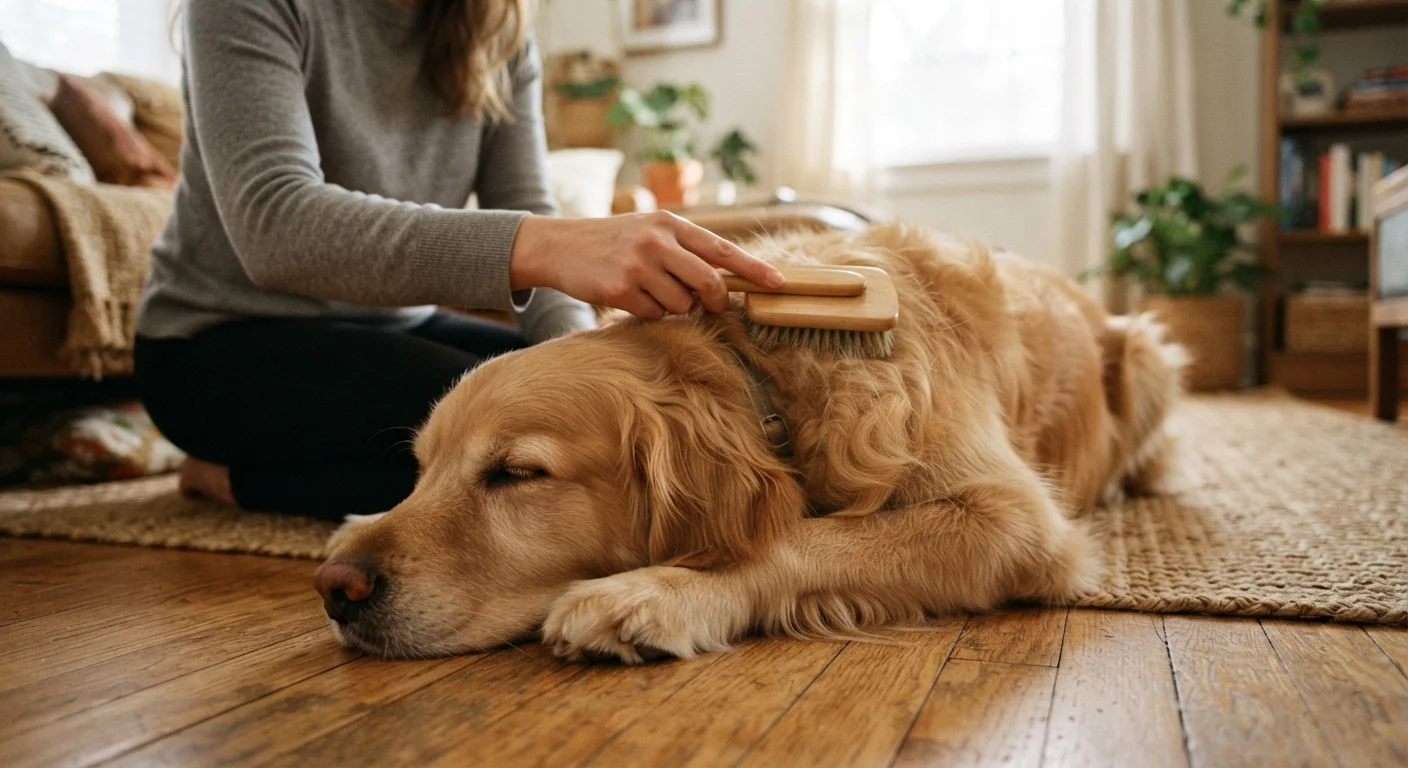
Photo: NemoFinds.com | Search, Explore, Read. editorial
Key Takeaways
- Regular at-home grooming strengthens your bond with your pet and supports early health detection.
- Desensitization — introducing tools gradually — is more important than technique for anxious animals.
- Nail trims, brushing, and ear cleaning each require species- and breed-specific approaches.
- Stop any grooming task immediately if your pet shows signs of pain, distress, or injury.
- Consistent short sessions are more effective than infrequent marathon grooming attempts.
Why At-Home Grooming Matters
At-home grooming is far more than cosmetic maintenance. Every session is an opportunity to notice changes in your pet's skin, coat, ears, nails, and overall body condition — often before those changes become serious health concerns. A lump under the fur, a tender spot on a paw, or unusual odor from an ear can all surface during a routine brush-through.
Regular grooming also reduces the stress your pet experiences at professional grooming appointments and veterinary visits. Animals that are accustomed to being handled — having their paws touched, ears examined, and mouth inspected — tend to be calmer patients overall. If you're building out a broader daily care framework, the daily rhythm of responsible pet ownership is a useful companion read for understanding how grooming fits into the larger routine.
Quick
The blood vessel and nerve running inside a pet's nail. Cutting into it causes pain and bleeding, so nail trims should always stop well short of this area.
Desensitization
A gradual process of introducing a pet to a new experience — like grooming tools — in small, non-threatening steps so the animal learns there is nothing to fear.
Slicker brush
A flat-faced brush with fine wire bristles used to remove loose fur, tangles, and debris from many dog and cat coat types.
Styptic powder
A clotting agent applied to a minor cut or nicked nail quick to stop bleeding quickly. A standard item in most pet grooming kits.
Ear canal
The deep inner portion of the ear leading to the eardrum. At-home cleaning should never probe this area — only the visible outer ear should be wiped.
Getting Your Pet Comfortable First
Technique matters, but your pet's emotional state during grooming matters more. An animal that associates grooming with calm, predictable handling will tolerate the process far better than one that views it as an unpredictable ordeal. Before you introduce any tool, spend time simply touching the areas you'll be grooming — paws, ears, muzzle — so your pet learns that handling those spots is safe and ordinary.
This process is called desensitization, and it works best in short increments. Offer calm praise or small treats for relaxed behavior. Never push through visible signs of distress — trembling, growling, flattened ears, or attempts to escape. Forcing the interaction sets back your progress significantly. If your pet arrived recently, the first 30 days checklist covers how to layer in new handling experiences without overwhelming a new animal.
Short Sessions Build Faster Trust
The Core Grooming Tasks Explained
Brushing: Match the brush type to your pet's coat. Slicker brushes work well for many dog coats; fine-tooth combs are often better for cats prone to mats. Always brush in the direction of hair growth, and work through tangles gently rather than pulling. For heavily matted fur, do not attempt to cut it out with scissors — consult a professional groomer to avoid cutting skin.
Nail trimming: Identify the quick — the pink blood vessel visible in light-colored nails — and cut only the curved tip, well clear of it. On dark nails, trim small increments and look for a dark dot in the center of the cut surface, which indicates you're approaching the quick. Keep styptic powder on hand before you begin.
Ear cleaning: Apply a veterinarian-approved ear-cleaning solution to a cotton ball and gently wipe the visible outer portion of the ear. Do not probe the ear canal. Healthy ears should look pale pink with no significant odor or discharge. Any deviation warrants a vet check rather than more aggressive at-home cleaning.
Teeth brushing: Use a toothbrush and toothpaste formulated specifically for animals — human toothpaste contains ingredients that are unsafe for pets. Start by letting your pet taste the paste, then gradually introduce the brush to the outer tooth surfaces. Even brief daily contact is more beneficial than long infrequent sessions.
For a detailed look at where well-intentioned at-home care can go wrong, see at-home pet care habits that vets frequently see go wrong.
Never Use Human Products on Pets
When to Stop and Call a Vet
Grooming at home has clear limits. Stop the session and contact your veterinarian if you observe any of the following: bleeding that doesn't stop within 10–15 minutes, signs of significant pain when touching a specific area, visible skin wounds or sores beneath the coat, dark waxy buildup or strong odor in the ears, or a pet that becomes aggressive out of character during handling.
Sudden behavioral changes during grooming — an animal that was previously tolerant now snapping or crying when a body part is touched — can indicate an underlying health issue rather than a grooming problem. This is one scenario described in our guide to signals that a routine vet visit has become an urgent one. When in doubt, pause and seek professional guidance before continuing.
Professional Groomers Are a Complement, Not a Replacement
Building a Routine That Sticks
Consistency is the single most effective grooming strategy. Short, calm sessions repeated regularly are vastly more productive than infrequent marathon attempts. Five minutes of daily brushing accomplishes far more for coat health and animal trust than a 45-minute session once a month.
Anchor grooming to an existing daily habit — after the morning walk, before evening feeding — so it becomes automatic for both you and your pet. Track tasks on a simple calendar if nail trims or ear cleaning are easy to lose track of. For owners who struggle to maintain routines during busy or disruptive periods, keeping pet care consistent when life gets busy offers practical strategies for staying on track.
This article provides general educational information about at-home pet grooming and is not a substitute for personalized advice from a licensed veterinarian. Consult your vet for guidance specific to your pet's breed, age, and health status.
American Veterinary Medical Association (AVMA) — Pet Care Resources
The AVMA offers owner-facing educational materials covering routine care topics, including grooming fundamentals and when to seek veterinary help.
Pet First-Aid Kit Guide
Before starting a grooming routine, it helps to have basic supplies on hand. Our pet first-aid kit guide walks through exactly what to keep accessible — including styptic powder for nail trim mishaps.
Frequently Asked Questions
The content on this site is for informational purposes only and is not a substitute for professional advice. Always consult a qualified professional for guidance specific to your situation.