
Introducing a New Pet to a Household That Already Has One

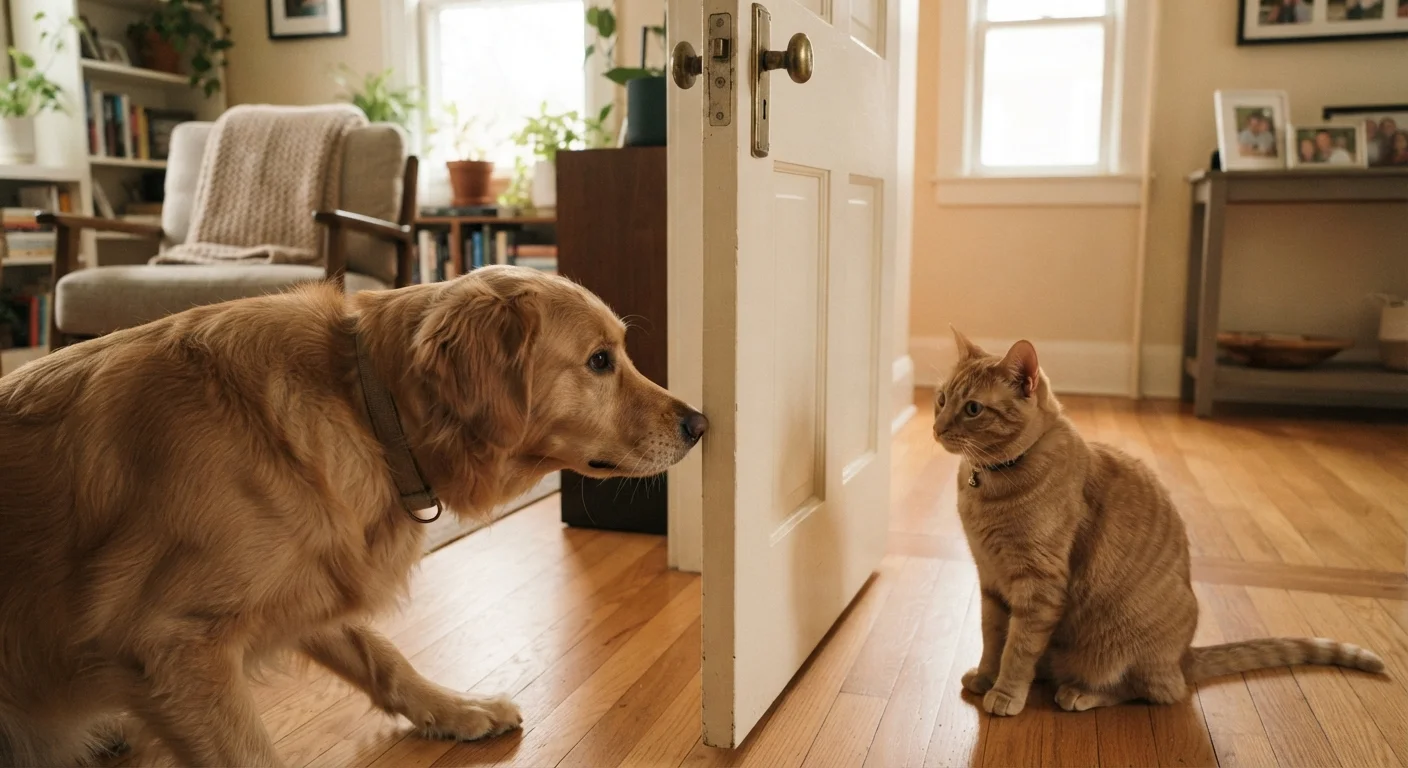
Photo: NemoFinds.com | Search, Explore, Read. editorial
Key Takeaways
- Rushed introductions are a leading cause of lasting tension in multi-pet households.
- Scent swapping before any face-to-face meeting is a critical first step many owners skip.
- Each animal moves at its own pace — timelines should flex to match individual temperaments.
- Separate feeding stations and resting spaces reduce resource-based conflict during the adjustment period.
- Visible stress in either pet signals it is time to slow down, not push through.
Why the Introduction Process Matters So Much
Bringing a second pet into a home is rarely as simple as opening the door and letting the animals sort it out. Resident pets are highly territorial, and the sudden presence of an unknown animal in their established space triggers instinctive defensive responses — regardless of how social the animals are individually. A poorly managed introduction can create fear, chronic stress, or entrenched aggression that persists for years.
The staged approach described in the steps below works because it respects each animal's sensory world. Pets — especially cats and dogs — process their environment primarily through scent. Allowing them to register each other's smell in a safe, low-pressure context before any visual or physical contact gives the brain time to categorise the newcomer as non-threatening rather than an intruder.
Before you begin any introduction, make sure your home is set up to support two animals safely. Our pet-proofing guide covers common household hazards that become more relevant when a second animal is added to the mix.
Health Clearance Protects Both Animals
Getting Set Up: What You Need Before You Start
Preparation is what separates a smooth introduction from a chaotic one. Gather the resources listed below before the new pet arrives so that you are not improvising during an already stressful transition.
What you will need
Baby gate or mesh barrier
Creates a visual boundary that allows pets to observe each other safely before sharing open space.
Separate bedding items
Used to exchange scents between pets before face-to-face contact begins.
Treat pouch or high-value rewards
Reinforces calm, positive associations during controlled visual and physical introductions.
Pheromone diffuser (species-appropriate)
May help reduce ambient anxiety in both pets during the transition period.
Leash and harness
Keeps a dog under safe physical control during the first face-to-face introductions.
If you are thinking ahead about long-term care costs for multiple pets, it is worth reviewing general information about how pet insurance works — covering two animals comes with different considerations than insuring one.
Step-by-Step Introduction Process
Follow these steps in sequence. Skipping stages — even when both animals seem tolerant — removes the controlled foundation that makes later steps successful.
Set up a dedicated safe room for the new pet
Before the new animal even arrives, prepare a quiet room with its own food, water, litter box (for cats), bedding, and hiding spots. This space gives the newcomer a secure base to decompress from the stress of transport and a new environment — without any direct exposure to the resident pet. Keep the door closed and instruct everyone in the household to visit the new pet calmly and briefly in the first day or two.
Begin scent swapping
After 24–48 hours, introduce each pet to the other's scent without any direct contact. Swap a piece of bedding, a soft toy, or a cloth that has been rubbed on one animal and place it near — not directly under — the other. Watch for relaxed, curious sniffing versus growling, hissing, or avoidance. Repeat this exchange over several days until both animals appear neutral or curious rather than alarmed.
Introduce scent under the door
Slide a thin towel or allow food to be offered on either side of the safe-room door so both animals can smell and hear each other with the door as a barrier. This low-stakes step bridges scent swapping and visual contact. If either animal growls, hisses, or stops eating, the gap is still too close — go back to scent-only swapping for a few more days before trying again.
Allow controlled visual contact
Install a baby gate, cracked door, or mesh barrier so both pets can see each other while remaining physically separated. Keep sessions short — five to ten minutes — and stay present to read body language. Reward calm, neutral behaviour immediately with treats and quiet praise. If either animal fixates, lunges, or shows hard staring, end the session calmly and try again the following day.
Conduct the first shared-space meeting
Choose a neutral area neither pet considers its primary territory. For dogs, a calm, sniff-and-move-on greeting is the goal — not prolonged face-to-face staring. For cat-to-cat introductions, allow one cat into the other's space briefly, then rotate. Keep sessions short and positive. Never leave the animals unsupervised until you have observed multiple calm, relaxed interactions over several days.
Maintain separate resources long-term
Even after introductions go smoothly, continue providing separate food and water stations, litter boxes for each cat plus one extra, and individual resting spots. Resource competition is a common trigger for ongoing conflict that owners often overlook. As the relationship stabilises over weeks and months, you can gradually allow more shared space and interaction at the animals' own pace.
Pace Is Everything
After the Introduction: Building a Stable Multi-Pet Routine
Once your pets are coexisting calmly, the work shifts from introduction management to routine maintenance. Predictable daily schedules help both animals feel secure — regular feeding times, play sessions, and rest periods reduce the ambient tension that can reignite conflict. The resident pet especially benefits from reassurance that its relationship with you has not changed.
Watch for subtle signs of ongoing stress: one animal consistently avoiding certain rooms, reduced appetite, or changes in litter box use. These can indicate that the relationship needs more time or that the resource setup needs adjustment.
For households managing busy schedules alongside a growing animal family, our guide on keeping pet care consistent offers practical strategies for maintaining stable routines under real-world pressures.
Watch for Chronic Stress Signals
This article provides general pet care information and is not a substitute for professional veterinary or behavioural guidance. If either animal shows signs of significant distress or aggression, consult a licensed veterinarian or certified animal behaviourist.
The content on this site is for informational purposes only and is not a substitute for professional advice. Always consult a qualified professional for guidance specific to your situation.