
Pet Vaccinations Decoded: Core Shots, Optional Ones, and the Schedule Behind Them

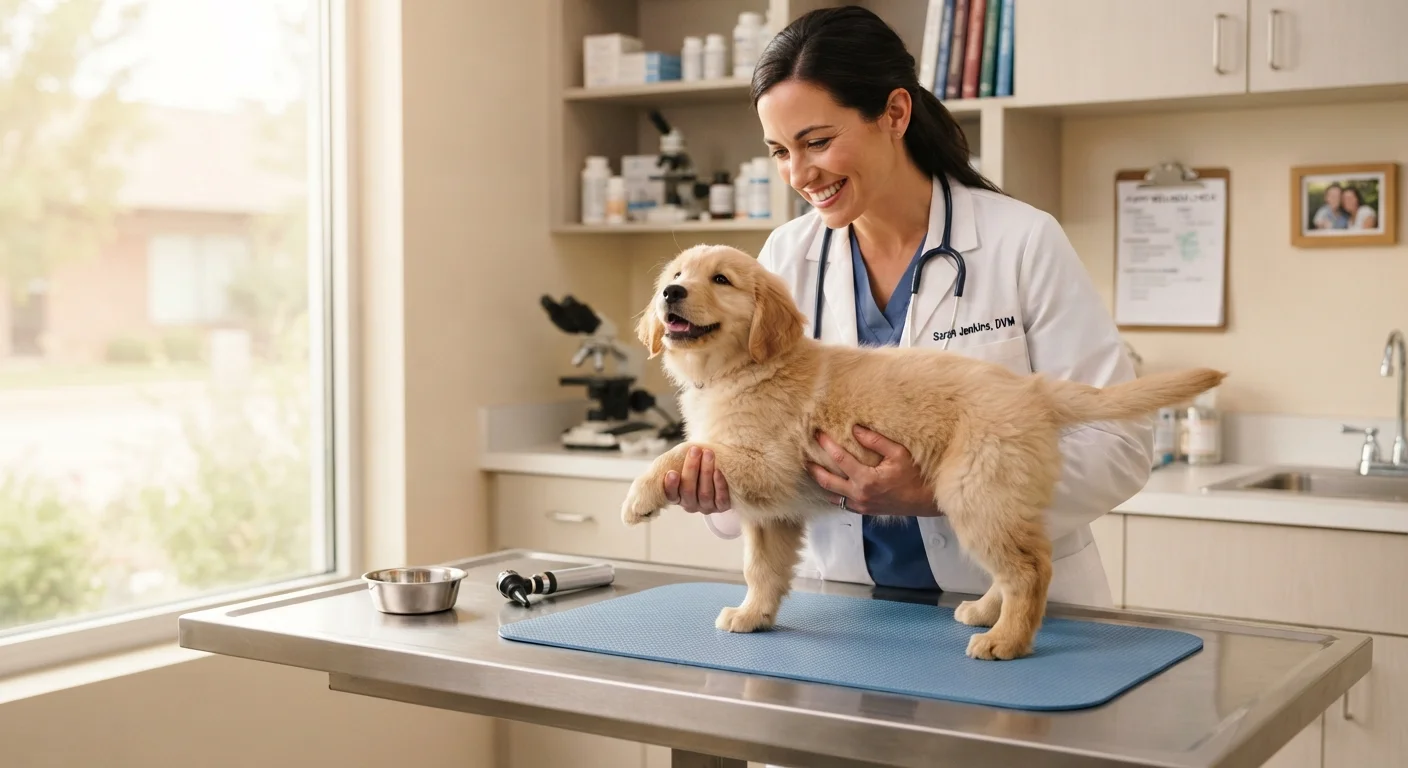
Photo: NemoFinds.com | Search, Explore, Read. editorial
Key Takeaways
- Core vaccines protect against serious, widespread diseases and are recommended for virtually all dogs and cats.
- Non-core vaccines are given based on your pet's lifestyle, environment, and individual risk factors.
- Puppy and kitten series typically begin at 6–8 weeks and require booster shots to build lasting immunity.
- Adult pets need periodic boosters — not all vaccines require annual re-administration.
- Your veterinarian is the best person to tailor a vaccine plan to your specific pet.
Why Vaccinations Matter for Pets
Vaccines train the immune system to recognize and fight specific pathogens before they cause serious illness. For pets, this protection is especially critical because animals cannot describe symptoms early, and some diseases — like rabies or parvovirus — can be fatal without prompt immune response.
Beyond protecting individual animals, widespread vaccination contributes to herd immunity — the idea that when enough individuals in a population are immune, the spread of disease slows even among those who aren't vaccinated. This matters in multi-pet households, boarding facilities, dog parks, and shelters.
Vaccinations are also one of the most cost-effective investments in pet health. Preventing a disease is almost always less expensive — and less distressing — than treating it. For a broader picture of how preventive care connects to your financial planning, see our overview of pet insurance fundamentals.
~6,000
Rabies cases in U.S. animals per year
According to the CDC, wildlife account for most cases, but unvaccinated pets remain at risk and can transmit the virus to humans.
91%
Survival rate with early parvo treatment
The American Veterinary Medical Association notes that survival rates for parvovirus improve significantly with prompt, aggressive veterinary care — prevention through vaccination is far more reliable.
3 years
Booster interval for many adult core vaccines
AAHA guidelines indicate that after the initial adult booster, several core vaccines provide adequate protection on a 3-year rather than annual cycle.
Core Vaccines: The Non-Negotiables
Core vaccines are those recommended for all dogs or cats regardless of lifestyle, because the diseases they prevent are either highly contagious, potentially fatal, or transmissible to humans. Veterinary organizations — including the American Animal Hospital Association (AAHA) and the American Association of Feline Practitioners (AAFP) — publish guidelines identifying these vaccines.
For Dogs
- Rabies: Required by law in most U.S. states. Fatal once symptoms appear; transmissible to humans.
- Distemper: A severe viral illness affecting the respiratory, gastrointestinal, and nervous systems.
- Parvovirus: Highly contagious; causes life-threatening gastrointestinal illness, especially in puppies.
- Adenovirus (Hepatitis): Protects against infectious canine hepatitis.
These four are frequently combined into a single injection called the DHPP vaccine (or DA2PP), making administration straightforward.
For Cats
- Rabies: Also legally required in many jurisdictions, even for indoor cats.
- Feline Viral Rhinotracheitis, Calicivirus, and Panleukopenia (FVRCP): Combined in one shot, protecting against common and serious upper respiratory and systemic diseases.
Ask your vet for a printed vaccination record at every visit and keep a digital copy in your phone's photo library. You'll need it unexpectedly — for boarding, travel, or emergencies.
If your pet has previously had a vaccine reaction, let your vet know before the next appointment so they can premedicate or monitor more closely — not skip the vaccine automatically.
Non-Core Vaccines: Situational but Important
Non-core vaccines are not automatically recommended for every pet — instead, they're prescribed based on an individual animal's risk profile. Factors include where you live, your pet's daily environment, and activities like travel, boarding, or contact with wildlife.
Common Non-Core Vaccines for Dogs
- Bordetella (Kennel Cough): Highly recommended for dogs who visit groomers, boarding facilities, or dog parks.
- Leptospirosis: A bacterial disease spread through water and soil contaminated by wildlife urine; relevant in rural or flood-prone areas.
- Lyme Disease: Recommended in tick-heavy regions of the U.S.
- Canine Influenza: Considered for dogs with high social exposure.
Common Non-Core Vaccines for Cats
- Feline Leukemia Virus (FeLV): Recommended for all outdoor cats and kittens; optional for strictly indoor adults.
- Feline Immunodeficiency Virus (FIV) and Chlamydia: Considered for cats in high-risk environments.
Don't Skip Rabies — Even for Indoor Pets
Understanding the Vaccination Schedule
The timing of vaccines is as important as the vaccines themselves. Young animals receive a primary series because maternal antibodies — passed from mother to offspring — gradually wane, leaving a window when the immune system needs to build its own defenses.
Typical Puppy Schedule
- 6–8 weeks: First DHPP dose
- 10–12 weeks: Second DHPP; Bordetella if applicable
- 14–16 weeks: Third DHPP; Rabies
- 12–16 months: Booster for all core vaccines
Typical Kitten Schedule
- 6–8 weeks: First FVRCP dose
- 10–12 weeks: Second FVRCP; FeLV if indicated
- 14–16 weeks: Third FVRCP; Rabies
- 12–16 months: Booster series
After the initial series and first adult boosters, many core vaccines shift to a 3-year schedule rather than annual. Rabies boosters follow local legal requirements, which vary by state. Your vet will track these intervals and can integrate vaccine planning into the annual wellness exam.
Talking to Your Vet About Your Pet's Specific Needs
No two pets have identical vaccine needs. A single senior indoor cat living quietly at home has a different risk profile than a young dog who attends weekend agility events. Bring these questions to your next veterinary appointment:
- Which non-core vaccines does my pet's lifestyle warrant?
- Are any of my pet's current vaccines due for a booster or transitioning to a 3-year cycle?
- Are there known reactions to watch for after vaccination?
- How should I monitor my pet in the 24–48 hours after shots?
Mild soreness at the injection site or temporary lethargy can be normal after vaccination, but some signs — like facial swelling, vomiting, or difficulty breathing — warrant prompt veterinary attention. Knowing when routine reactions become urgent is a key skill; our guide on recognizing when a vet visit has become urgent can help you make that call confidently.
If you're thinking about how preventive care fits into your pet ownership budget, understanding how wellness plan tiers work may be worth exploring. Some plans include vaccine coverage as part of a broader preventive care benefit.
Keep a Vaccination Log from Day One
This article provides general educational information about pet vaccinations and is not a substitute for professional veterinary advice. Always consult a licensed veterinarian to determine the most appropriate vaccination plan for your individual pet.
The content on this site is for informational purposes only and is not a substitute for professional advice. Always consult a qualified professional for guidance specific to your situation.