
Exfoliation Done Right: Physical vs. Chemical Methods

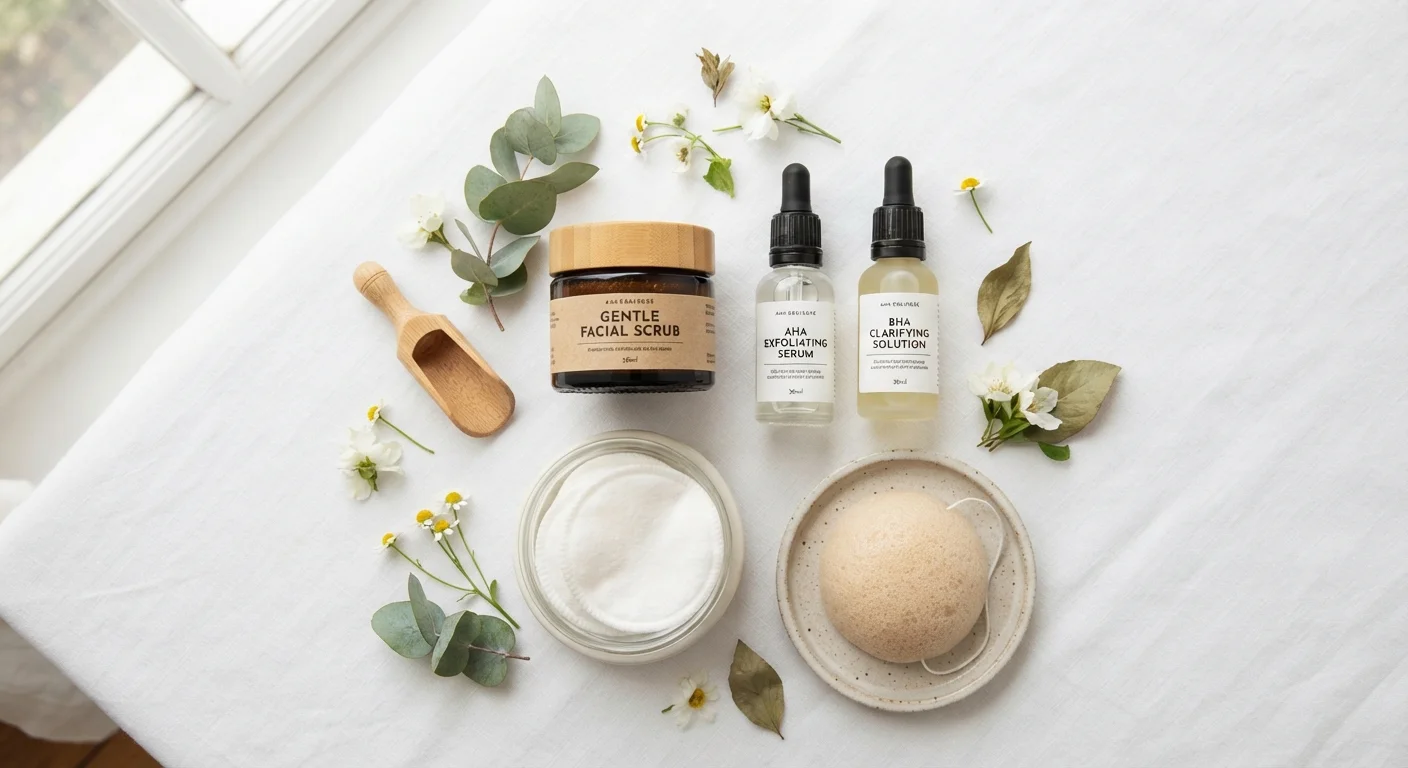
Photo: NemoFinds.com | Search, Explore, Read. editorial
Key Takeaways
- Physical exfoliants use friction to manually buff away dead skin cells from the surface.
- Chemical exfoliants dissolve the bonds between dead cells using acids or enzymes — no scrubbing required.
- Your skin type and sensitivity level should guide which method (or combination) works for you.
- Over-exfoliating with either method can damage your skin barrier, so frequency matters.
- Sunscreen becomes even more important after exfoliating, as fresh skin is more UV-sensitive.
What Exfoliation Actually Does
Your skin naturally sheds dead cells roughly every 28 to 40 days, but that process can slow down with age, environmental stress, or certain skin conditions. When dead cells accumulate, skin can look dull, feel rough, and clog pores. Exfoliation speeds up the removal of that outer layer to reveal fresher skin underneath.
The two main approaches — physical and chemical — both accomplish this goal, but through completely different mechanisms. If you're building your skincare routine from scratch, understanding this difference helps you make a more intentional product choice rather than just grabbing whatever's on the shelf.
Physical Exfoliation: How It Works
Physical exfoliation — also called mechanical exfoliation — uses a textured material to manually slough off dead skin cells through friction. Think facial scrubs with fine granules, cleansing brushes, washcloths, or konjac sponges.
What it's good for: Physical exfoliation is straightforward, affordable, and produces that instantly smooth feeling most people love. It works well for normal to oily skin types and body skin.
Where it can go wrong: The biggest risk is over-scrubbing. Coarse or irregular particles — like crushed walnut shells — can create micro-tears in the skin. Even gentler options become damaging if used too aggressively or too often. Dermatologists generally suggest limiting physical exfoliation to one or two times per week and using light, circular pressure rather than vigorous rubbing.
Watch for Signs of Over-Exfoliation
Chemical Exfoliation: How It Works
Chemical exfoliants use acids or enzymes to dissolve the bonds holding dead skin cells together, letting them shed naturally without any physical friction. The main categories are:
- AHAs (alpha hydroxy acids) — such as glycolic and lactic acid — work on the skin's surface and are well-suited for dry or sun-damaged skin.
- BHAs (beta hydroxy acids) — primarily salicylic acid — are oil-soluble, meaning they can penetrate into pores. A good fit for oily or acne-prone skin.
- Enzymes — derived from sources like papaya or pineapple — offer a gentler option often recommended for sensitive skin.
Chemical exfoliants tend to deliver more even results across the skin's surface because they don't rely on consistent physical pressure. To understand how to fit them into your existing products, see our guide on skincare layering order.
Start Low, Go Slow With Acids
Choosing the Right Method for Your Skin
The best exfoliation approach depends largely on your skin type and any specific concerns. Knowing whether your skin characteristics are fixed traits or temporary conditions helps narrow the choice — our article on skin type vs. skin condition walks through that distinction clearly.
| Physical Exfoliation | Chemical Exfoliation | |
|---|---|---|
| Mechanism | Manual friction removes cells | Acids or enzymes dissolve cell bonds |
| Best skin types | Normal to oily, body skin | All types, depending on acid used |
| Sensitivity friendliness | Lower — friction can irritate | Higher (enzymes are gentlest) |
| Ease of use | Simple, no wait time | Requires timing and careful layering |
| Depth of action | Surface layer only | Surface to pore depth (BHAs) |
| Risk of over-exfoliation | Higher if pressure is too firm | Higher if concentration is too strong |
As a general starting point: if your skin is easily irritated or reactive, enzyme-based or low-concentration AHA products tend to be gentler entries into chemical exfoliation. If your skin is resilient and you prefer simplicity, a mild physical scrub used once or twice a week is a reasonable choice.
Regardless of method, always apply SPF the following morning — newly exfoliated skin is more susceptible to UV damage. And keep an eye on your full routine with a weekly skincare reset checklist to make sure you're not doubling up on exfoliating ingredients across multiple products.
This article is for general informational purposes only and does not constitute medical or dermatological advice. If you have a skin condition or persistent concerns, consult a qualified dermatologist or healthcare professional.
The content on this site is for informational purposes only and is not a substitute for professional advice. Always consult a qualified professional for guidance specific to your situation.