
Makeup Primer: What It Does and Whether You Need One

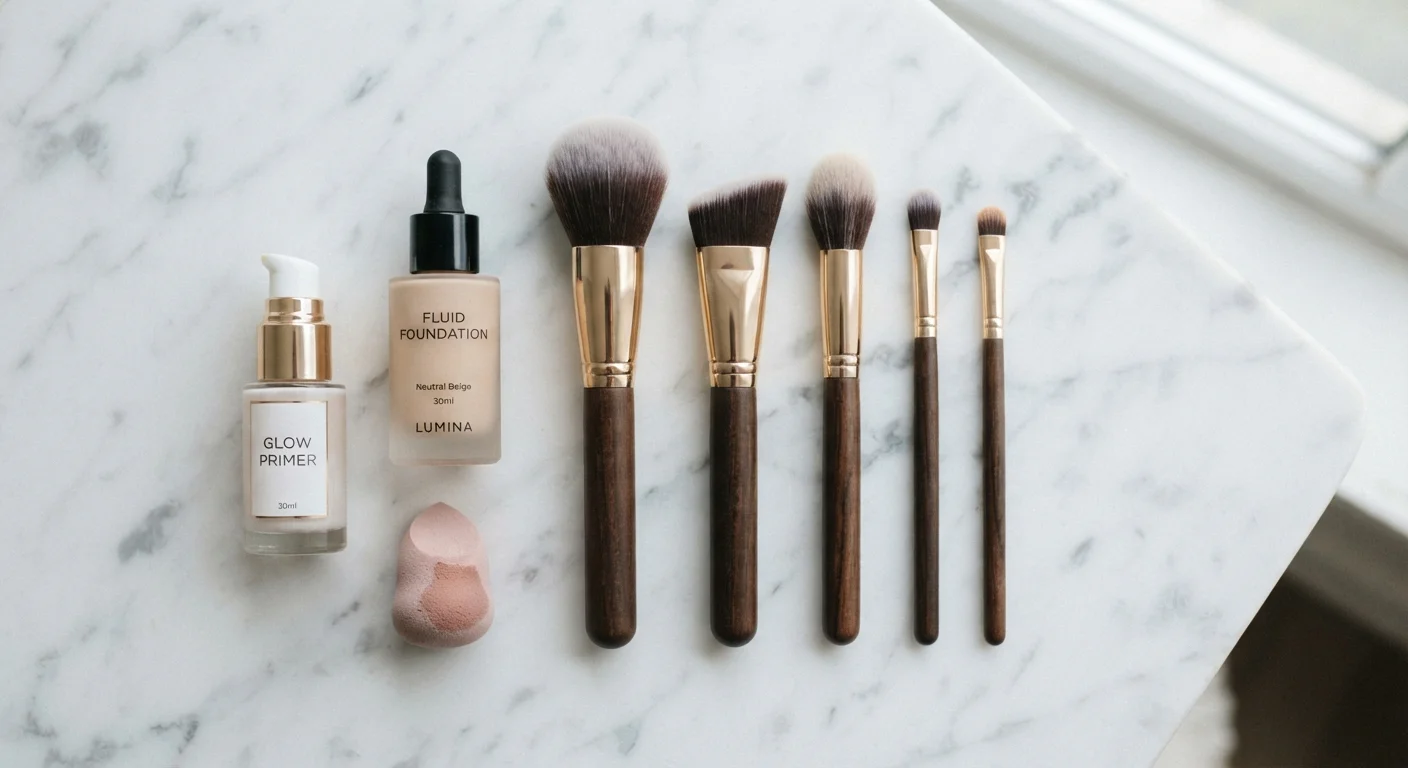
Photo: NemoFinds.com | Search, Explore, Read. editorial
Key Takeaways
- Primer creates a smoother surface between skincare and makeup, helping products apply more evenly.
- Whether you need one depends on your skin type, makeup habits, and how long you need your look to last.
- Not every skin type benefits equally — oily, dry, and sensitive skin each have different primer needs.
- A primer can address specific concerns like large pores, redness, or patchy texture.
- Skipping primer is perfectly fine for many people, especially those with a minimal or quick routine.
Extends makeup wear throughout the day
Primer gives foundation and other color products something to grip onto, which can meaningfully extend how long your makeup looks fresh — especially helpful for oily skin types or long-wear situations.
Creates a smoother, more even base
Silicone-based formulas temporarily blur the appearance of pores and fine lines, so foundation glides on more evenly and looks more polished without extra effort.
Can address specific skin concerns before foundation
Color-correcting primers with green, peach, or lavender tints help neutralize redness or dullness before any foundation goes on, reducing how much product you need overall.
Helps reduce midday oiliness and shine
Mattifying primers absorb excess sebum at the surface level, which can delay shine breakthrough — a real quality-of-life improvement for people with oily or combination skin.
Acts as a protective buffer between skin and makeup
A primer layer can reduce direct contact between full-coverage foundations and the skin, which some people find helpful for minimizing the heavy feel of longwear formulas.
Adds time, steps, and cost to your routine
Primer is an extra product to buy, apply, and wait for — which adds up financially and logistically, especially if you already have a multi-step skincare routine.
Wrong formula can cause pilling or flaking
Silicone-based primers don't always play well with water-based foundations, and vice versa. Incompatible formulas can ball up on the skin, which looks worse than wearing no primer at all.
May contribute to clogged pores for some skin types
Heavy pore-filling formulas can trap sebum and debris in pores for certain individuals, potentially contributing to congestion — making formula research essential before committing.
Offers minimal benefit for light or minimal makeup looks
If you wear a light-coverage tinted moisturizer or BB cream, a primer is unlikely to deliver noticeable improvements in wear or finish, making the step largely redundant.
What Makeup Primer Actually Does
Primer is a prep product applied after your skincare routine and before foundation or tinted moisturizer. Its core job is to create a uniform surface so that whatever goes on top sits more evenly and grips better. Think of it like priming a wall before painting — the finish looks smoother and lasts longer.
Most primers work through one of two basic mechanisms. Silicone-based formulas (often containing ingredients like dimethicone) fill in fine lines and enlarged pores, giving skin a blurred, even texture. Water-based or hydrating primers add a layer of moisture that helps dry or flaky skin hold onto foundation without it caking. Some formulas include pigment — green to neutralize redness, peach or lavender to brighten — addressing specific tone concerns before color cosmetics go on.
Primers also act as a boundary layer. Because makeup and skincare are formulated differently, a primer can help the two worlds work together more harmoniously. For more on how product order affects results, see our guide to skincare layering.
Extends makeup wear throughout the day
Primer gives foundation and other color products something to grip onto, which can meaningfully extend how long your makeup looks fresh — especially helpful for oily skin types or long-wear situations.
Creates a smoother, more even base
Silicone-based formulas temporarily blur the appearance of pores and fine lines, so foundation glides on more evenly and looks more polished without extra effort.
Can address specific skin concerns before foundation
Color-correcting primers with green, peach, or lavender tints help neutralize redness or dullness before any foundation goes on, reducing how much product you need overall.
Helps reduce midday oiliness and shine
Mattifying primers absorb excess sebum at the surface level, which can delay shine breakthrough — a real quality-of-life improvement for people with oily or combination skin.
Acts as a protective buffer between skin and makeup
A primer layer can reduce direct contact between full-coverage foundations and the skin, which some people find helpful for minimizing the heavy feel of longwear formulas.
The Real Downsides Worth Knowing
Primer adds a step, a cost, and — depending on the formula — real skin considerations. Silicone-heavy primers can feel uncomfortable on dry skin types, and some people find them difficult to blend with certain foundations. If your skincare and primer don't play well together, pilling (where products ball up on the skin) becomes a frustrating reality.
For acne-prone skin, formula compatibility is especially important. Some primers contain pore-filling ingredients that can contribute to congestion in certain skin types. It's worth checking whether a formula is labeled non-comedogenic (meaning it's formulated to avoid blocking pores) — here's what that term actually means before you take the claim at face value.
Adds time, steps, and cost to your routine
Primer is an extra product to buy, apply, and wait for — which adds up financially and logistically, especially if you already have a multi-step skincare routine.
Wrong formula can cause pilling or flaking
Silicone-based primers don't always play well with water-based foundations, and vice versa. Incompatible formulas can ball up on the skin, which looks worse than wearing no primer at all.
May contribute to clogged pores for some skin types
Heavy pore-filling formulas can trap sebum and debris in pores for certain individuals, potentially contributing to congestion — making formula research essential before committing.
Offers minimal benefit for light or minimal makeup looks
If you wear a light-coverage tinted moisturizer or BB cream, a primer is unlikely to deliver noticeable improvements in wear or finish, making the step largely redundant.
Who Benefits Most — and Who Can Skip It
Primer tends to deliver the most noticeable payoff for a few specific groups:
- Oily skin types often see longer wear and less midday shine with a mattifying primer underneath foundation.
- People wearing full-coverage or longwear makeup for events, long workdays, or photography benefit from the grip a primer provides.
- Those dealing with enlarged pores or uneven texture may find that a smoothing formula helps makeup look more polished.
- Anyone with redness or discoloration can use a color-correcting primer to even out skin tone before foundation.
On the other hand, if your everyday routine is a tinted moisturizer and a swipe of lip color, or if your skin is naturally balanced and your makeup lasts comfortably through the day, primer is unlikely to make a meaningful difference. Skipping it is a completely valid choice.
A Note on Sensitive or Acne-Prone Skin
Keeping your tools and products in good shape matters as much as what you apply. The Weekly Skincare Reset Checklist includes practical reminders for keeping your routine clean and effective.
How to Choose the Right Formula for Your Skin
The primer that works beautifully for one person can feel heavy or pilling-prone for another. Here's a quick framework:
~60%
Makeup wearers who use a primer regularly
Industry surveys suggest roughly 60% of regular foundation users incorporate some form of primer into their routine, though usage varies significantly by age group and skin type.
4–6 hrs
Typical added wear time reported by users
Consumer testing reported in cosmetic trade publications suggests primers can extend foundation wear by several hours compared to bare skin, though results vary widely by formula and skin type.
- Dry skin: Look for hydrating primers with glycerin, hyaluronic acid, or moisturizing oils. Avoid heavy silicone formulas that can emphasize dry patches.
- Oily skin: Mattifying or pore-minimizing formulas with silica tend to control shine well. Check that your foundation is compatible with silicone bases.
- Sensitive skin: Fragrance-free, minimal-ingredient primers reduce the chance of irritation. Patch-test any new formula on a small area first.
- Combination skin: A lightweight, balanced formula often works well, or you can apply a mattifying primer only to the oilier zones.
Always apply primer after sunscreen has fully absorbed — layering makeup over SPF is an important habit, but the order matters. How SPF in moisturizer compares to standalone sunscreen is worth understanding if you're building a full routine from scratch.
The content on this site is for informational purposes only and is not a substitute for professional advice. Always consult a qualified professional for guidance specific to your situation.