
Understanding Skin Barrier Function — and How to Keep It Intact

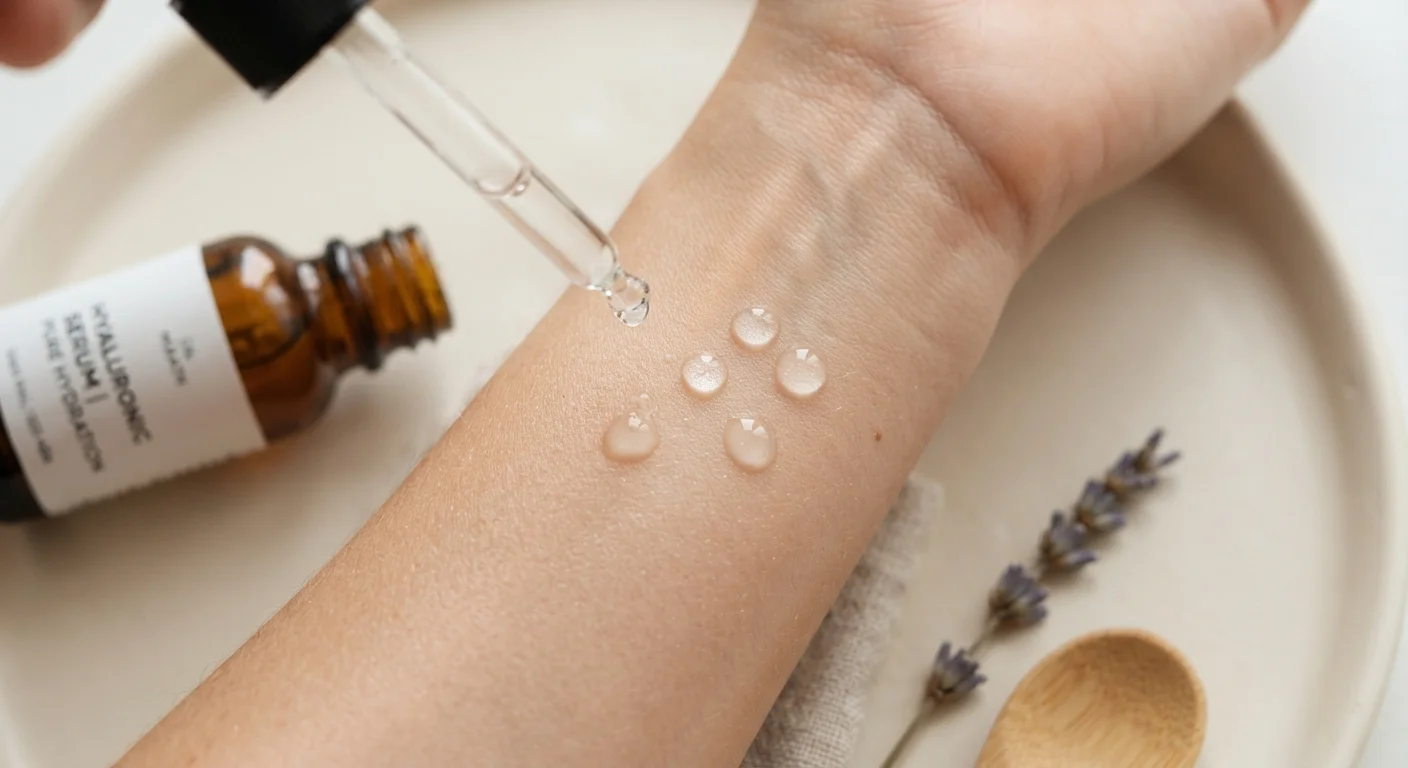
Photo: NemoFinds.com | Search, Explore, Read. editorial
Key Takeaways
- The skin barrier is a physical and chemical shield that keeps moisture in and irritants out.
- Over-cleansing and over-exfoliating are among the most frequent causes of barrier damage.
- Ceramides, fatty acids, and humectants are the key ingredient categories that support repair.
- A damaged barrier often masquerades as dryness, redness, or sudden sensitivity.
- Simplifying your routine is often the fastest path to barrier recovery.
- Sun exposure significantly degrades barrier function over time if left unprotected.
What Is the Skin Barrier, Exactly?
The outermost layer of your skin — called the stratum corneum — is often described using a brick-and-mortar analogy. Skin cells (corneocytes) are the bricks; lipids like ceramides, cholesterol, and fatty acids are the mortar holding everything together. Together they form the skin barrier: a semi-permeable shield that keeps water locked in and environmental aggressors — pollution, bacteria, allergens — locked out.
This barrier also maintains your skin's acid mantle, a slightly acidic surface film with a pH typically between 4.5 and 5.5. That acidic environment inhibits harmful microbes and supports the enzymes responsible for natural skin shedding. When the barrier is healthy, skin feels comfortable, looks even-toned, and resists irritation. When it's compromised, almost everything feels harder — products sting, hydration evaporates faster, and sensitivity ramps up.
Understanding this foundation matters because it reframes how you think about skincare. It's not about piling on products; it's about supporting a biological system that already knows what it's doing. See our guide to skin type vs. skin condition to understand how barrier health influences whether your skin behaves oily, dry, or sensitive on any given day.
~50%
Of stratum corneum lipids are ceramides
Ceramides are the dominant lipid class in the skin barrier, according to published dermatology research on lipid composition.
4.5–5.5
Healthy skin surface pH range
Studies in the Journal of Investigative Dermatology have linked disruptions to this pH range with barrier dysfunction and increased infection risk.
~28 days
Average skin cell turnover cycle in adults
Turnover slows with age and can be disrupted by barrier damage, affecting how skin feels and how products absorb.
Signs Your Barrier May Be Compromised
Barrier damage doesn't always announce itself dramatically. More often it creeps in gradually, disguised as everyday skin complaints:
- Tightness or dryness that persists even after moisturizing
- Stinging or burning when you apply products that never bothered you before
- Redness or blotchiness without an obvious trigger
- Breakouts that seem to appear out of nowhere, often linked to bacteria entering through micro-cracks
- Dull, rough texture that doesn't respond to exfoliation the way it used to
It's worth noting that these symptoms overlap with many skin conditions, so if they're persistent or severe, a dermatologist can help rule out underlying issues. This article is for general information only and is not a substitute for professional medical advice.
When Symptoms Warrant Professional Attention
Common Habits That Damage the Skin Barrier
The irony of barrier damage is that many well-intentioned skincare habits are the culprit. Here are the most frequent offenders:
Over-Cleansing
Washing your face more than twice a day — or using harsh, high-pH cleansers — strips away the lipids that hold the barrier together. Foaming cleansers with sulfates are often the most disruptive, especially for drier skin types.
Excessive Exfoliation
Physical scrubs used too aggressively and chemical exfoliants (AHAs, BHAs, retinoids) used too frequently can thin the barrier faster than it can rebuild. More is rarely better here. If you're curious about one commonly misunderstood ingredient, our breakdown of retinol myths covers exactly how to use actives without sabotaging your barrier.
Hot Water and Long Showers
Hot water dissolves lipids efficiently — which is great for dishes, not for skin. Brief, lukewarm showers are consistently gentler on barrier integrity.
Skipping Sun Protection
UV radiation degrades structural proteins and disrupts lipid organization in the stratum corneum. Daily broad-spectrum SPF is barrier maintenance, not just an anti-aging step. Common sunscreen mistakes can quietly undo this protection even when you think you're covered.
Combining Actives Without a Plan Backfires
Ingredients That Support Barrier Health
When your barrier needs support, certain ingredient categories have well-established roles in reinforcing its structure:
- Ceramides
- Lipids naturally found in the skin that make up a significant portion of the stratum corneum's mortar layer. Topical ceramides help replenish what's lost through aging or damage.
- Fatty acids (e.g., linoleic acid)
- Essential components of the lipid matrix. Deficiencies in certain fatty acids have been associated with barrier disruption in research settings.
- Humectants (e.g., hyaluronic acid, glycerin)
- These draw water into the skin, reducing transepidermal water loss (TEWL) — the technical term for water evaporating through your skin rather than staying in it.
- Occlusives (e.g., petrolatum, shea butter)
- Form a physical seal on the skin's surface, dramatically slowing TEWL. Particularly helpful overnight, when skin repair is most active.
- Niacinamide
- A form of vitamin B3 that research suggests can stimulate ceramide synthesis and reduce inflammation — a versatile, gentle option for most people.
When repairing a damaged barrier, try a "skin fast" for 3–5 days: only a gentle cleanser, plain moisturizer, and SPF. Removing variables often reveals what was triggering irritation in the first place.
Apply occlusive moisturizers to damp — not soaking wet — skin. A little residual water helps humectants bind moisture before the occlusive layer seals it in.
Daily Routines That Help Keep It Intact
Building a barrier-supportive routine isn't about complexity — it's about consistency and restraint. A stripped-back approach often outperforms a ten-step regimen for people dealing with sensitivity or damage.
Morning
- Rinse with lukewarm water or use a gentle, low-pH cleanser
- Apply a hydrating moisturizer with ceramides or fatty acids while skin is slightly damp
- Finish with broad-spectrum SPF 30 or higher
Evening
- Cleanse to remove sunscreen and pollutants — double cleansing with an oil-based first step is effective without being stripping
- Apply any actives (retinoids, exfoliants) only on nights you've scheduled them — not every night
- Seal with an occlusive moisturizer to support overnight repair
Nighttime is particularly valuable for barrier recovery. Our article on what your skin actually does while you sleep explains the biology behind why evening application of occlusives can be especially effective. Once you've got the basics down, these evidence-informed habits can help you stay consistent over the long term.
Give Recovery Time Before Judging Results
This article is for informational purposes only and does not constitute medical advice. If you're experiencing persistent or severe skin symptoms, consult a qualified dermatologist or healthcare professional.
The content on this site is for informational purposes only and is not a substitute for professional advice. Always consult a qualified professional for guidance specific to your situation.