
Proportion and Scale in Outfit Building

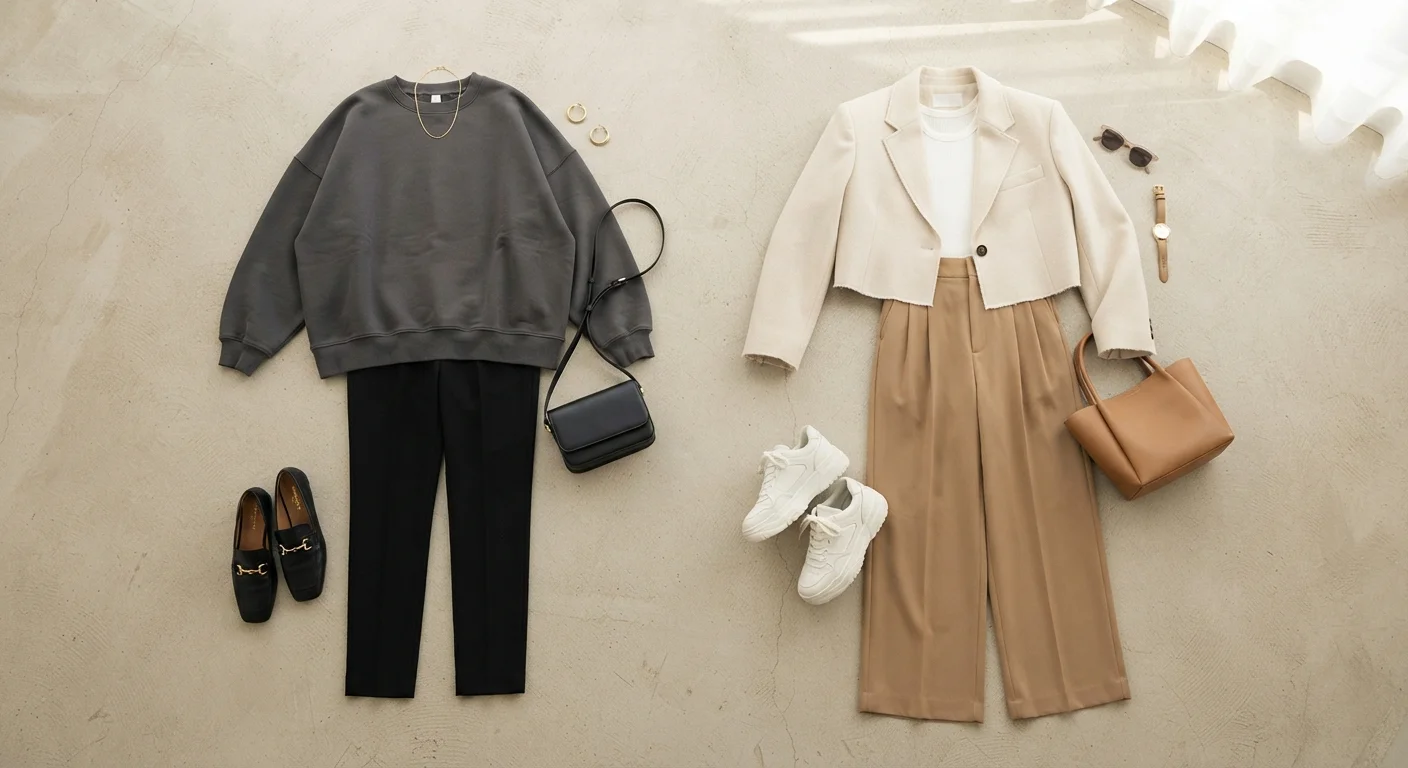
Photo: NemoFinds.com | Search, Explore, Read. editorial
Key Takeaways
- Pairing one voluminous piece with one fitted piece creates natural visual balance in any outfit.
- Proportion principles apply universally — they work regardless of height, frame, or body shape.
- Strategic hemlines and waist definition can visually reshape how an outfit reads on your body.
- Scale of prints and accessories should relate to your overall frame for a cohesive look.
- You don't need a large wardrobe — understanding proportion multiplies what you already own.
What Proportion Actually Means in Fashion
Proportion in outfit building is simply the relationship between the sizes of different garments you wear together. When pieces feel "off" or an outfit looks unintentionally sloppy, proportion is usually the culprit — not the individual items themselves. A wide-leg trouser isn't a problem. A boxy blazer isn't a problem. Wearing both together without any adjustment? That's where things get muddy.
Think of your outfit as a visual equation. Volume plus volume with no counterpoint tips the scale. The goal isn't to follow rigid rules but to understand how your eye perceives balance — and then make deliberate choices from there. As style myths often get in the way, many people believe proportion rules are fixed, when really they're flexible starting points.
Volume, Length, and the Art of Contrast
The most reliable proportion principle is contrast: pair a fuller silhouette on one half of your body with something streamlined on the other. A chunky, oversized sweater pairs beautifully with straight-leg or slim trousers. Wide-leg trousers read as intentional and polished when topped with a tucked-in blouse or a fitted tee. This isn't about minimizing any part of your body — it's about giving the eye a visual anchor so the outfit feels composed rather than chaotic.
Length is equally important. Cropped pieces shorten the torso visually, while longer hemlines extend it. If you're wearing high-waisted pants and a cropped jacket, you're emphasizing the leg line — a useful trick regardless of actual leg length. Midi skirts worn with a fitted top create an elongating column effect. Experimenting with hemlines costs nothing and changes everything. For more on shopping for your proportions, learn why garments don't always translate from hanger to body.
The Half-Tuck Is Your Best Friend
Scale, Pattern, and Accessories
Scale doesn't only apply to garment silhouettes — it extends to prints, details, and accessories. A petite frame is often overwhelmed by a very large graphic print or an enormous tote bag, while a larger frame can carry bold patterns with ease. This isn't a rule about what you're "allowed" to wear; it's about understanding visual weight so you can choose intentionally. If you love an oversized print but feel it competes with your frame, try anchoring it with solid, neutral separates.
Accessories follow the same logic. Delicate layered chains read differently than a statement collar necklace. Neither is wrong — but pairing a delicate chain with a heavily printed maxi dress may result in the jewelry disappearing entirely. Conversely, a chunky necklace with a busy pattern can feel visually noisy. Pattern mixing also depends heavily on scale — the same logic applies whether you're combining two prints or a print with an accessory.
1 rule
Volume contrast principle that covers most silhouette decisions
Fashion educators widely cite the fitted-vs.-voluminous pairing as the single most transferable proportion principle across all body types and styles.
3 zones
Visual thirds used to assess outfit balance
Dividing the body into top, mid, and lower thirds is a foundational concept in visual design and is commonly applied in professional styling education.
Quick Wins and Building This Skill Over Time
You can start applying proportion principles today without buying anything new. Pull out what you already own and experiment with tuck-ins, half-tucks, and different belt placements to define your waist. Try layering a longline piece over something slim to see how length affects the overall silhouette. Even color blocking — which you can explore through foundational color coordination — reinforces proportion by creating clear visual zones.
Over time, proportion awareness naturally shapes how you shop. You'll notice which pieces in your wardrobe are versatile because they contrast well with many others, and which ones are harder to style because they duplicate volume or length already present in your closet. That insight pays dividends during seasonal wardrobe reassessments, helping you identify genuine gaps rather than just buying more of the same. And if you want to stretch your wardrobe further, smart shopping strategies can help you make targeted, intentional additions.
The content on this site is for informational purposes only and is not a substitute for professional advice. Always consult a qualified professional for guidance specific to your situation.