
Style Myths That Make Getting Dressed Harder Than It Needs to Be

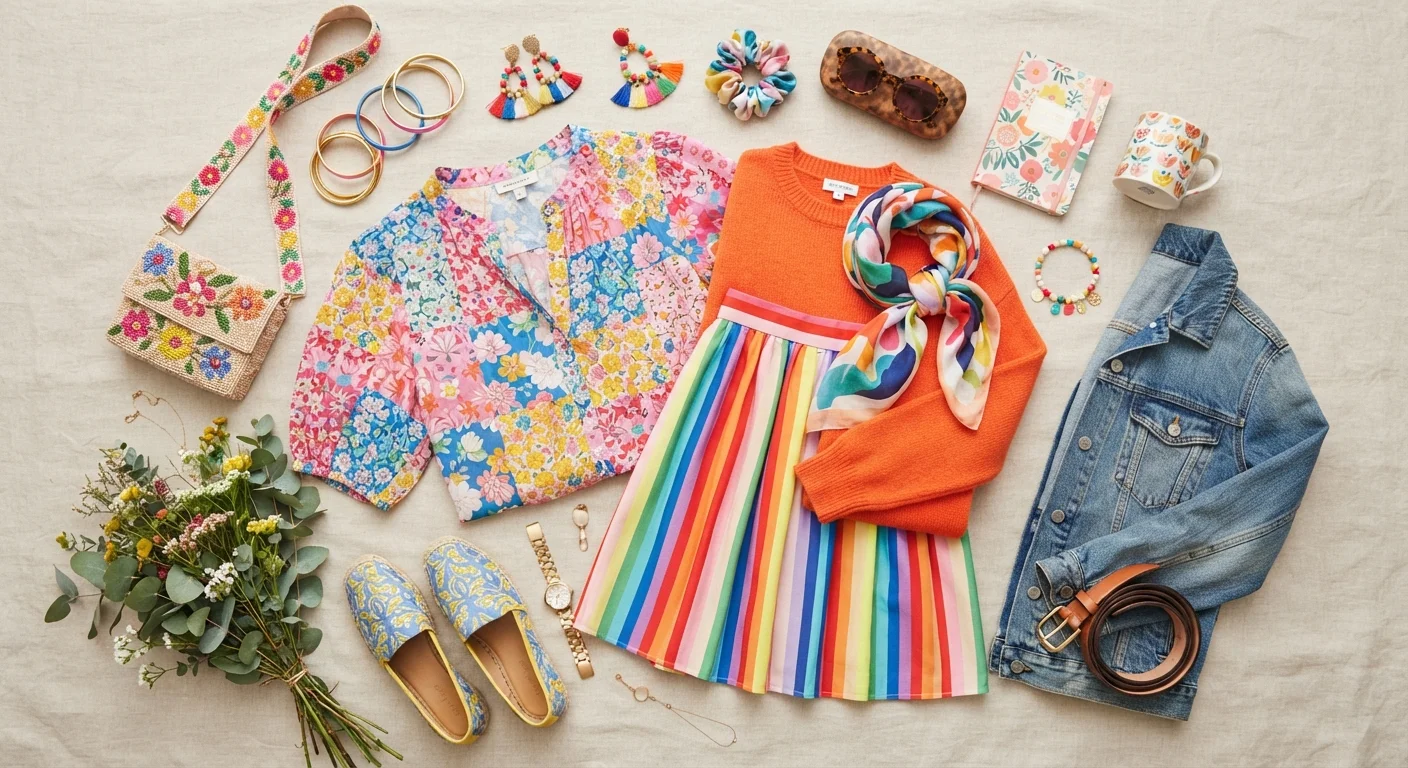
Photo: NemoFinds.com | Search, Explore, Read. editorial
Key Takeaways
- Most rigid style rules — like avoiding horizontal stripes or never mixing prints — are not grounded in universal truth.
- Fit matters far more than following arbitrary guidelines about colors, patterns, or body types.
- Personal style is most sustainable when built on what actually works for your life, not inherited rules.
- Many rules that claim to 'flatter' certain bodies are rooted in outdated beauty standards, not objective fashion principles.
- Understanding the logic behind style principles helps you break them intentionally and confidently.
Where Style Myths Come From
Fashion rules feel authoritative — they're repeated in magazines, passed down by relatives, and stated confidently in fitting rooms. But most of them weren't handed down from some universal style authority. Many originated as marketing language, editorial shortcuts, or cultural preferences that hardened into dogma over decades.
The problem is that rules framed as universal truths don't account for the enormous variety of bodies, skin tones, lifestyles, and personal aesthetics that real people have. When those rules make you feel like you're "doing it wrong," they stop being helpful and start being harmful. Understanding what's actually behind these myths — and what's genuinely useful underneath the fiction — is the first step toward dressing with real confidence. For a deeper look at how garments translate from rack to reality, see why clothes that look great on the hanger don't always work on your body.
The Myths, Corrected
Below are some of the most persistent style misconceptions — plus the clearer, more empowering reality behind each one.
Myth
You should never mix prints — it looks chaotic and unprofessional.
Fact
Print mixing works when you vary the scale of the patterns and share at least one color across them.
This rule gets repeated constantly, but successful print mixing is a legitimate and well-established styling technique. The key variables are scale (pairing a large print with a smaller one prevents visual competition) and color bridge (a shared hue ties them together). A wide-stripe top with a small floral skirt in overlapping tones is a classic example. Pattern mixing: the logic behind outfits that shouldn't work — but do explains the full framework if you want to experiment confidently.
Myth
Horizontal stripes make you look wider — everyone knows this.
Fact
Research on visual perception suggests the effect of horizontal stripes is more nuanced and context-dependent than the rule implies.
The idea comes from the Helmholtz illusion, a well-known optical effect, but how stripes actually read on a three-dimensional body in motion is far more complex than a flat diagram suggests. Stripe width, contrast, placement, and garment structure all play a role. Many people wear horizontal stripes with great results. The real question is whether you feel good in them — not whether a geometry experiment from the 19th century says you should avoid them.
Myth
Certain colors don't work on darker skin tones.
Fact
Skin tone doesn't exclude any color category — undertone and personal preference are far more useful guides.
This myth often gets dressed up as flattery advice, but it frequently functions as a gatekeeping rule that limits darker-skinned people to a narrow palette. The reality: all skin tones span a range of undertones (warm, cool, neutral), and those undertones — not depth of skin — are what inform which specific shades of a color feel harmonious. Deep jewel tones, bright whites, pastels, and earth tones all appear across people of every complexion with striking effect. Color coordination without a degree in art covers undertone matching in practical, jargon-free terms.
Myth
You have to dress for your 'body type' — pear, apple, hourglass, etc.
Fact
Body-type frameworks are one tool among many, not a mandatory rulebook — and many fashion professionals consider them outdated.
The fruit-and-shape system has been a fixture of fashion advice for decades, but it oversimplifies human bodies into a handful of categories and then prescribes what to minimize or camouflage. Many stylists and fashion educators now argue that starting from what you want to emphasize — rather than what to hide — is both more empowering and more practical. Fit, proportion, and personal comfort are more reliable guides than a label assigned to your silhouette.
Myth
Wearing all black is always safe and always slimming.
Fact
All-black outfits can look flat or shapeless without intentional variation in texture, fit, and proportion.
Black is versatile, but "safe" is doing a lot of work in this myth. An all-black outfit in poorly fitting, low-contrast fabrics can read as shapeless or unintentional. What makes monochromatic dressing work is texture contrast (matte with shine, chunky knit with smooth denim) and fit variation (a fitted layer with a relaxed one). The color isn't doing the work — the composition is. The same principles apply to any monochromatic palette.
Myth
Expensive clothes always look better than affordable ones.
Fact
Fabric quality and fit have more visible impact than price tag; well-made affordable pieces often outperform expensive but poorly fitted ones.
Price is an imperfect proxy for quality, and it's an especially unreliable guide to how something will look on your specific body. A tailored or well-fitted piece at a modest price point will consistently look more polished than a luxury item that doesn't sit correctly. Learning to evaluate fabric weight, seam construction, and fit — rather than price — is a more transferable skill. Natural fibers vs. synthetic fabrics is a useful primer on reading fabric quality without a price-tag shortcut.
For a practical framework on balancing proportions and volume in any outfit, proportion and scale in outfit building is a helpful next read.
The One Principle That Actually Matters
Strip away the noise, and one principle holds up across virtually every style context: fit. A well-fitted garment in a "wrong" color or a "forbidden" pattern will almost always look better than an ill-fitting piece that checks every supposed rule. This is true regardless of body type, budget, or trend cycle.
#1
Factor in how polished clothing looks
Fit is consistently cited by professional stylists and fashion educators as the single most influential variable in how any garment reads on a real body.
3–5 rules
Style rules most people follow unnecessarily
Style surveys regularly find that many people restrict their wardrobe choices based on rules they've never personally tested or questioned.
What "fit" actually means in fashion walks through exactly what to look for across different garment types — and why price is rarely the deciding factor. Similarly, understanding the difference between classic, trendy, and timeless clothing can help you invest in pieces that work long after a trend fades.
Rules That 'Flatter' Can Also Restrict
Letting go of inherited rules doesn't mean abandoning all structure — it means using principles like color harmony, scale, and proportion as tools rather than laws. When you understand the logic, you can break the rules intentionally. And that's where personal style actually begins.
The content on this site is for informational purposes only and is not a substitute for professional advice. Always consult a qualified professional for guidance specific to your situation.