
What 'Fit' Actually Means in Fashion—and Why It Matters More Than Price

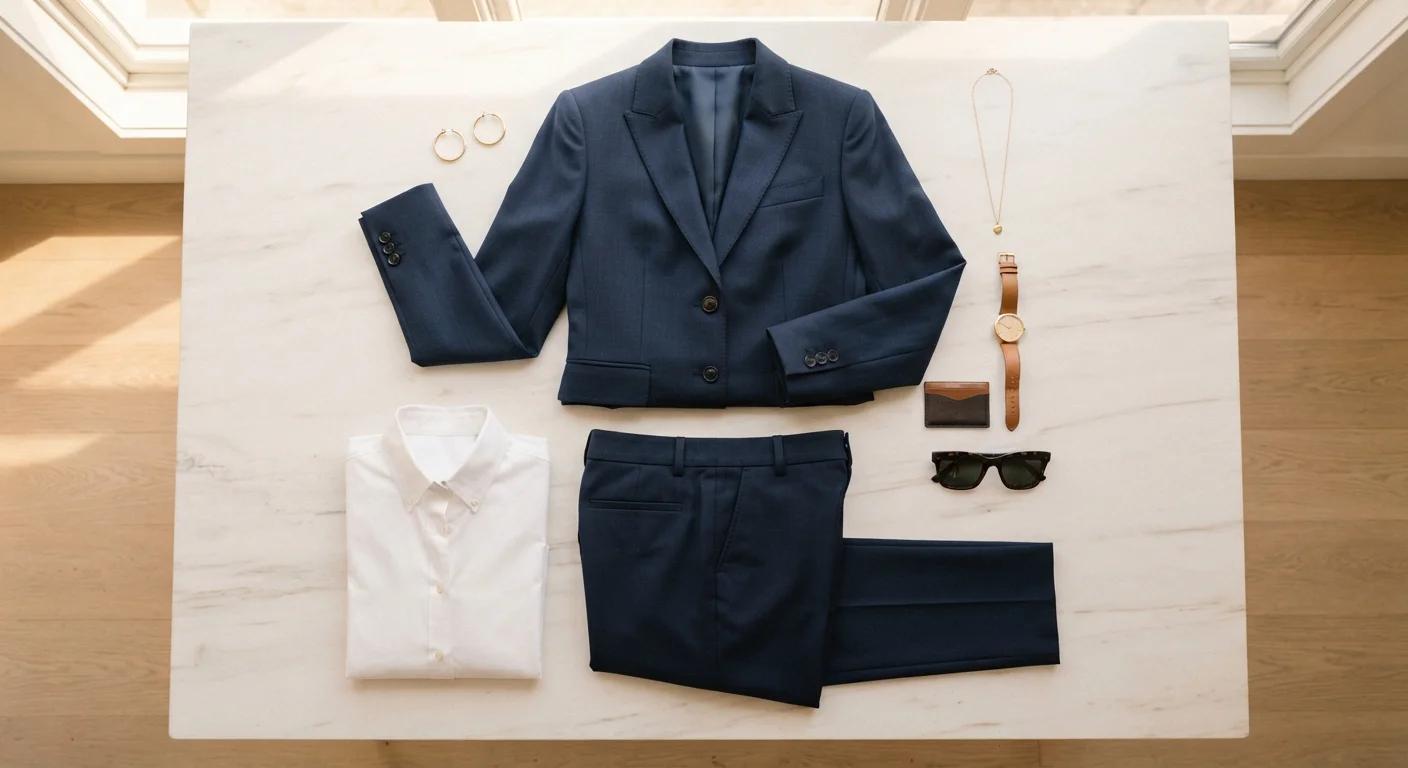
Photo: NemoFinds.com | Search, Explore, Read. editorial
Key Takeaways
- Fit is the single biggest factor in how polished or put-together clothing looks on your body.
- Size labels vary widely between brands — fit is a better guide than the number on the tag.
- Good fit looks different across garment types: shoulders, waist, and inseam are all key checkpoints.
- Tailoring even one or two pieces can dramatically improve how your whole wardrobe looks.
- Fit works for every budget — a well-fitted inexpensive garment often outperforms a poorly-fitting expensive one.
Why Fit Outranks Price Every Time
Walk into any room and you'll notice it immediately: some people look put-together in simple, inexpensive clothing, while others look somehow off despite wearing premium pieces. The variable isn't budget — it's fit. When a garment is cut correctly for your body, it creates a clean, confident silhouette that no price tag can manufacture.
This matters because most of us shop with size labels as our primary guide, when size is actually one of the least reliable indicators of how something will wear. Sizing varies enormously between brands, and even within the same brand across different styles. What you're actually shopping for — whether you know it or not — is proportion and relationship to your body. As our guide on why clothes that look great on the hanger don't always work on your body explains, how a garment looks displayed is often a poor predictor of how it wears on a real person.
60%+
Consumers who cite fit as top purchase factor
Multiple retail industry surveys consistently find that fit ranks as the leading reason shoppers return or keep clothing, surpassing color, brand, and price.
$billions
Annual apparel returns linked to poor fit
Industry estimates attribute a significant share of all US clothing returns to fit issues, making it the most common driver of returned merchandise.
The Key Fit Checkpoints by Garment Type
Fit isn't one-size-fits-all advice — it varies by garment. Here's where to focus your attention:
Tops and Jackets
The shoulder seam is the most critical point on any structured top or jacket. It should land exactly where your shoulder ends and your arm begins. If it droops onto your upper arm, the entire garment will look sloppy, and this is one of the hardest fixes a tailor can make. From there, check that the chest lies flat — no pulling at buttons — and that the back fabric isn't stretched or bunched.
Trousers and Pants
The seat and thigh determine comfort and silhouette simultaneously. Too much fabric here creates a saggy, boxy appearance; too little pulls and restricts movement. Inseam length is the easiest fix a tailor makes and one of the most impactful — hemming trousers to the right break (where the fabric meets your shoe) immediately sharpens any look.
Dresses and Skirts
Waist placement is the anchor point. A garment whose waist seam or widest point sits at your natural waist — or wherever your proportions call for — will feel balanced. If the waist falls too high or too low for your torso length, the entire garment looks misaligned regardless of how well it's made.
Start With the Shoulder, Always
Fit, Proportion, and the Bigger Picture
Understanding fit is a gateway skill — once you understand it, you begin to see proportion more clearly too. How garments relate to one another in an outfit, the volume of a top against a slim trouser, the length of a jacket against a midi skirt — these are extensions of the same underlying logic. For a deeper look at that, our article on proportion and scale in outfit building picks up where fit basics leave off.
It's also worth noting that many style 'rules' that make getting dressed feel restrictive are myths — including the idea that certain body types should avoid certain silhouettes. Style myths that make getting dressed harder than it needs to be are worth examining before you let them narrow your choices. Fit is empowering precisely because it's adjustable, learnable, and completely independent of trend cycles. Timeless style is built on pieces that fit well — not on chasing what's new.
Frequently Asked Questions
The content on this site is for informational purposes only and is not a substitute for professional advice. Always consult a qualified professional for guidance specific to your situation.