
Bundling Home and Auto Insurance: What Changes and What Doesn't

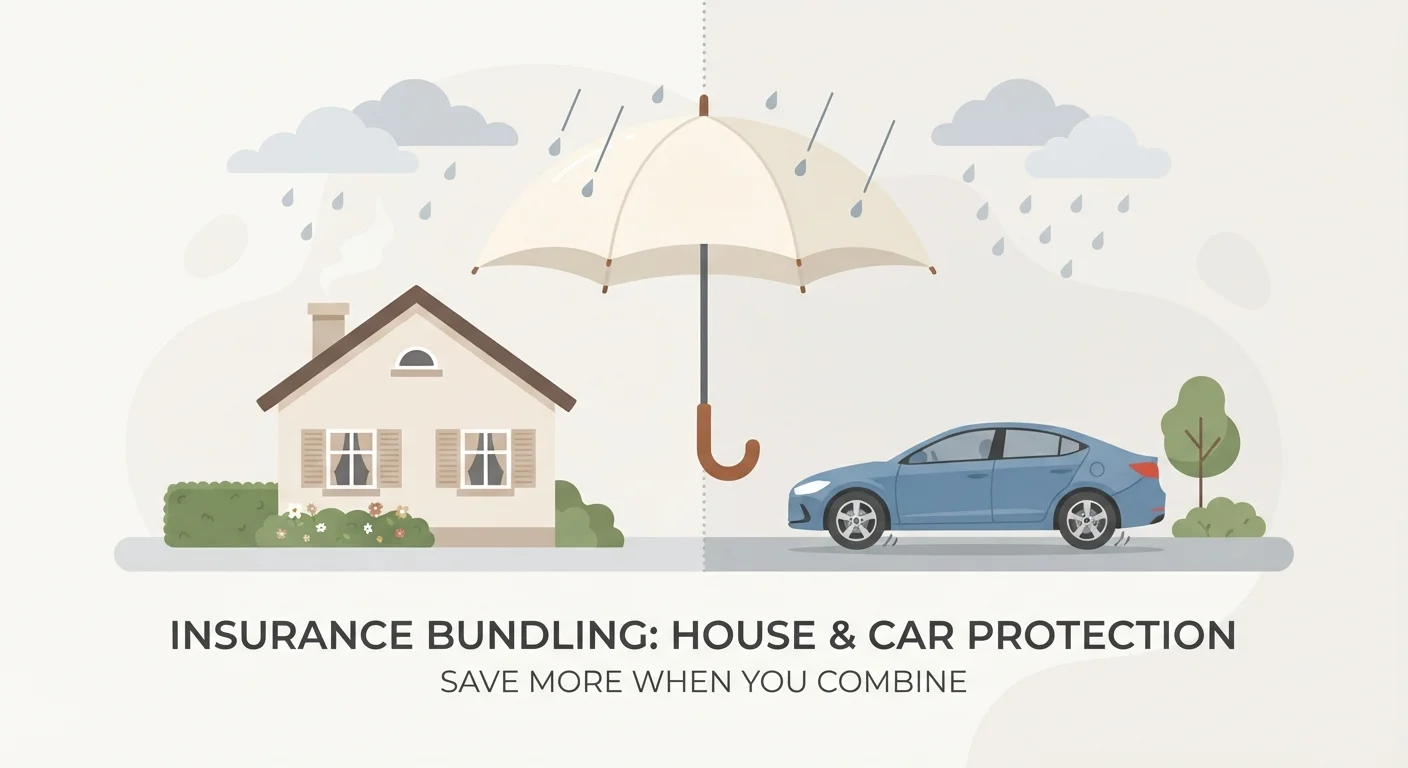
Photo: NemoFinds.com | Search, Explore, Read. editorial
Key Takeaways
- Bundling home and auto insurance means holding both policies with the same insurer.
- A multi-policy discount is common, but the savings vary widely by insurer and location.
- Each policy still has its own coverage terms, deductibles, and exclusions after bundling.
- Bundling isn't always cheaper — comparing quotes separately remains important.
- Convenience is real, but never sacrifice adequate coverage for a billing shortcut.
Multi-policy discount reduces overall premium cost
Most major insurers offer a discount when you hold both home and auto policies with them. The percentage varies, but it can meaningfully offset the annual cost of one or both policies.
Simplified billing and account management
One insurer means one login, one billing cycle, and one renewal process to track. For households juggling multiple financial obligations, this reduction in administrative complexity has real practical value.
Single point of contact for claims and service
When an event affects both your home and vehicle — a severe storm, for example — dealing with one claims team rather than two separate insurers can reduce stress and coordination time.
Potential combined deductible on shared-loss events
Some insurers offer a single deductible when the same event damages both your home and your car. This feature is carrier-specific, so confirm whether it applies before assuming it's included.
Bundled rate isn't always the lowest available
A 10% multi-policy discount sounds attractive, but if the insurer's base rates are higher than competitors, the net bundled premium may still exceed what you'd pay with two separate carriers.
Coverage quality can be overshadowed by discount appeal
Selecting an insurer based on the bundle deal rather than claims satisfaction ratings or policy terms can lead to inadequate coverage or frustrating claims experiences.
Switching one policy later complicates both
If you find a better auto rate elsewhere after bundling, moving that policy means losing the multi-policy discount on your homeowners coverage too, requiring a full reassessment.
Not all insurers offer competitive rates in all states
Insurance pricing is heavily regulated at the state level, and a carrier that offers strong bundled value in one state may be uncompetitive in another. Regional differences are significant.
What Bundling Actually Means
Insurance bundling simply means purchasing your homeowners policy and your auto policy from the same insurance company. There is no new hybrid product involved — each policy remains its own separate contract with its own declarations page, premium, deductible, and coverage limits.
What changes is the relationship between those two policies in the insurer's system. The carrier recognizes you as a multi-policy customer and typically applies a multi-policy discount to one or both premiums. Beyond the discount, you generally get a single billing account, one renewal calendar to track, and one customer service relationship to manage.
Before exploring the trade-offs, it helps to understand each policy on its own. See how homeowners insurance is structured and what each auto coverage type actually does for the coverage fundamentals that bundling does not change.
The Real Advantages of Bundling
For many policyholders, bundling delivers genuine value in two distinct areas: cost and simplicity.
Multi-policy discount reduces overall premium cost
Most major insurers offer a discount when you hold both home and auto policies with them. The percentage varies, but it can meaningfully offset the annual cost of one or both policies.
Simplified billing and account management
One insurer means one login, one billing cycle, and one renewal process to track. For households juggling multiple financial obligations, this reduction in administrative complexity has real practical value.
Single point of contact for claims and service
When an event affects both your home and vehicle — a severe storm, for example — dealing with one claims team rather than two separate insurers can reduce stress and coordination time.
Potential combined deductible on shared-loss events
Some insurers offer a single deductible when the same event damages both your home and your car. This feature is carrier-specific, so confirm whether it applies before assuming it's included.
5–25%
Typical multi-policy discount range
Industry sources generally cite multi-policy discounts in this range, though the actual amount varies considerably by insurer, state, and the specific policies involved.
~70%
Homeowners who also bundle auto coverage
According to insurance industry surveys, a substantial majority of homeowners who carry both policy types hold them with the same carrier, often motivated by discount offers.
Beyond price, a single insurer means one phone call when something goes wrong — particularly useful after an event like a hailstorm that damages both your roof and your car at the same time. Some insurers also allow a single combined deductible for losses that affect both your home and vehicle simultaneously, though this feature varies by carrier and is not universal.
Where Bundling Falls Short
The discount can be less impressive than it sounds once you run the actual numbers. An insurer might offer 10–15% off through bundling, but if their base rates are higher than a competitor's standalone rates, you could still end up paying more in total.
Bundled rate isn't always the lowest available
A 10% multi-policy discount sounds attractive, but if the insurer's base rates are higher than competitors, the net bundled premium may still exceed what you'd pay with two separate carriers.
Coverage quality can be overshadowed by discount appeal
Selecting an insurer based on the bundle deal rather than claims satisfaction ratings or policy terms can lead to inadequate coverage or frustrating claims experiences.
Switching one policy later complicates both
If you find a better auto rate elsewhere after bundling, moving that policy means losing the multi-policy discount on your homeowners coverage too, requiring a full reassessment.
Not all insurers offer competitive rates in all states
Insurance pricing is heavily regulated at the state level, and a carrier that offers strong bundled value in one state may be uncompetitive in another. Regional differences are significant.
Coverage quality also deserves scrutiny. Choosing an insurer primarily for the bundle deal, rather than for their claims handling reputation or the adequacy of their coverage terms, can leave you underinsured. Liability limits in both policy types are worth reviewing carefully regardless of whether you bundle.
Shop Both Ways Before You Decide
What Stays Exactly the Same After Bundling
Bundling changes your billing relationship — it does not merge your policies. Each policy retains its own deductible, coverage limits, exclusions, and renewal date (though some insurers align renewal dates as a courtesy). A claim on your auto policy does not automatically affect your homeowners premium simply because they share a carrier, though your overall customer profile with that insurer may be a factor at renewal.
You still need to make independent coverage decisions for each policy. Your choice between liability-only and full coverage auto insurance is driven by your vehicle's value and your financial situation — not by whether you've bundled. Similarly, decisions about dwelling coverage versus personal property coverage on your homeowners policy are independent of any discount arrangement.
This article provides general insurance information for educational purposes only. Coverage terms, discounts, and eligibility vary by insurer, policy, and state. Consult a licensed insurance agent or adviser for guidance specific to your situation.
The content on this site is for informational purposes only and is not a substitute for professional advice. Always consult a qualified professional for guidance specific to your situation.